
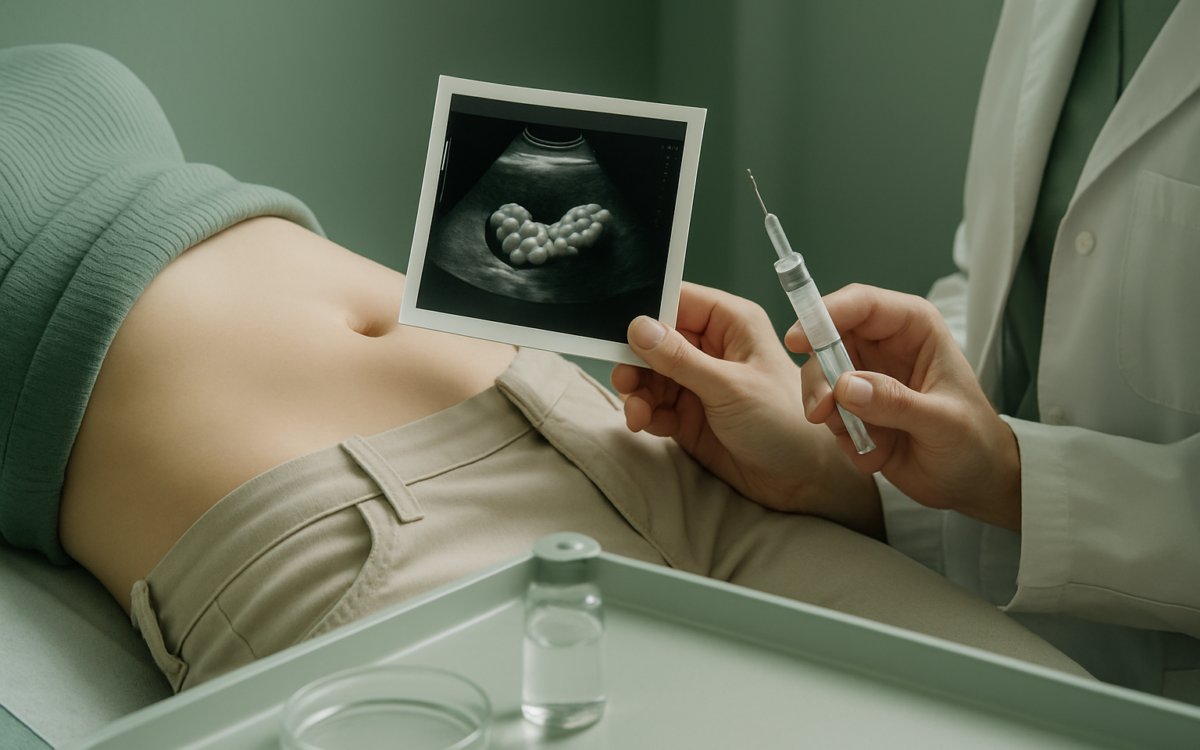
For many women, the journey to pregnancy can come with unexpected twists and turns. One common challenge faced is polycystic ovary syndrome (PCOS), a condition that can affect fertility. PCOS is a hormonal disorder that impacts ovulation, leading to irregular periods and, in some cases, difficulty conceiving. However, understanding the various fertility treatments available can empower women facing this diagnosis to take control of their reproductive health.
Understanding Polycystic Ovarian Syndrome (PCOS)
PCOS affects up to 10% of women in their reproductive years, making it a significant issue in women’s health. It is characterized by a combination of symptoms, including irregular menstrual cycles, excess androgen levels (which can lead to acne and abnormal hair growth), and numerous small cysts on the ovaries. According to the NIH, the exact cause of PCOS is still not fully understood, but insulin resistance and hormonal imbalance are often involved.
How PCOS Affects Fertility
Women with PCOS may face challenges when trying to conceive due to irregular ovulation or anovulation (the absence of ovulation). This disruption can make it difficult for eggs to be released for fertilization. Additionally, hormonal imbalances can create an environment that is less conducive to pregnancy. However, many women with PCOS do successfully conceive, either naturally or through treatments.
Fertility Treatments for Women with PCOS
There are several fertility treatment options available for women with polycystic ovaries. The choice of treatment often depends on individual circumstances, including age, overall health, and how long you have been trying to conceive. Here are some common options:
Lifestyle Modifications
For some women, implementing lifestyle changes may improve fertility significantly. Maintaining a healthy weight can lead to more regular ovulation and improved insulin sensitivity. Strategies may include:
- Regular physical activity (aim for at least 150 minutes per week)
- A balanced diet rich in fruits, vegetables, whole grains, and lean proteins
- Weight loss (even a 5-10% reduction in body weight can restore ovulation for some women)
Medications
When lifestyle changes are not enough, certain medications may be prescribed:
- Clomiphene Citrate: This oral medication stimulates ovulation and is often the first-line treatment for women with PCOS.
- Metformin: Originally used for type 2 diabetes, this medication can improve insulin sensitivity and restore ovulation.
- Gonadotropins: These injectable fertility medications may be used when other treatments fail.
Assisted Reproductive Technologies (ART)
If medications are not successful, assisted reproductive technologies may be an option:
- Intrauterine Insemination (IUI): This involves placing sperm directly into the uterus during ovulation, increasing the chances of conception.
- In Vitro Fertilization (IVF): In cases where other treatments are not effective or if there are other fertility issues, IVF can be a successful option.
Complementary Therapies
Some women find success enhancing their fertility treatments with complementary therapies, although these should be discussed with a healthcare provider. Options may include:
- Acupuncture
- Vitamin D and Omega-3 Supplements (consult a doctor for appropriate dosages)
- Stress management techniques, such as yoga and mindfulness
Emotional Well-being During the Journey
The emotional toll of navigating fertility challenges should not be underestimated. Many women face feelings of anxiety, frustration, or sadness. Support groups and counseling can provide valuable assistance during this time. Talking about your experiences, whether with friends, family, or professionals, can help alleviate some of the emotional burdens.
When to See a Doctor
If you have been trying to conceive for more than a year (or six months if you’re over 35), it’s a good idea to consult a healthcare provider. Early diagnosis and intervention can increase the chances of a successful pregnancy. Your doctor can help assess your situation and recommend appropriate testing or treatments.
Each woman’s experience with PCOS and fertility is unique. Finding the right treatment may take time, but there is hope and numerous options available. Seeking the guidance of a healthcare professional specialized in reproductive health can make the journey smoother and more informed. Remember, you’re not alone in this, and support is always available.
For more information on PCOS and fertility treatments, visit the Mayo Clinic or the WHO.
