
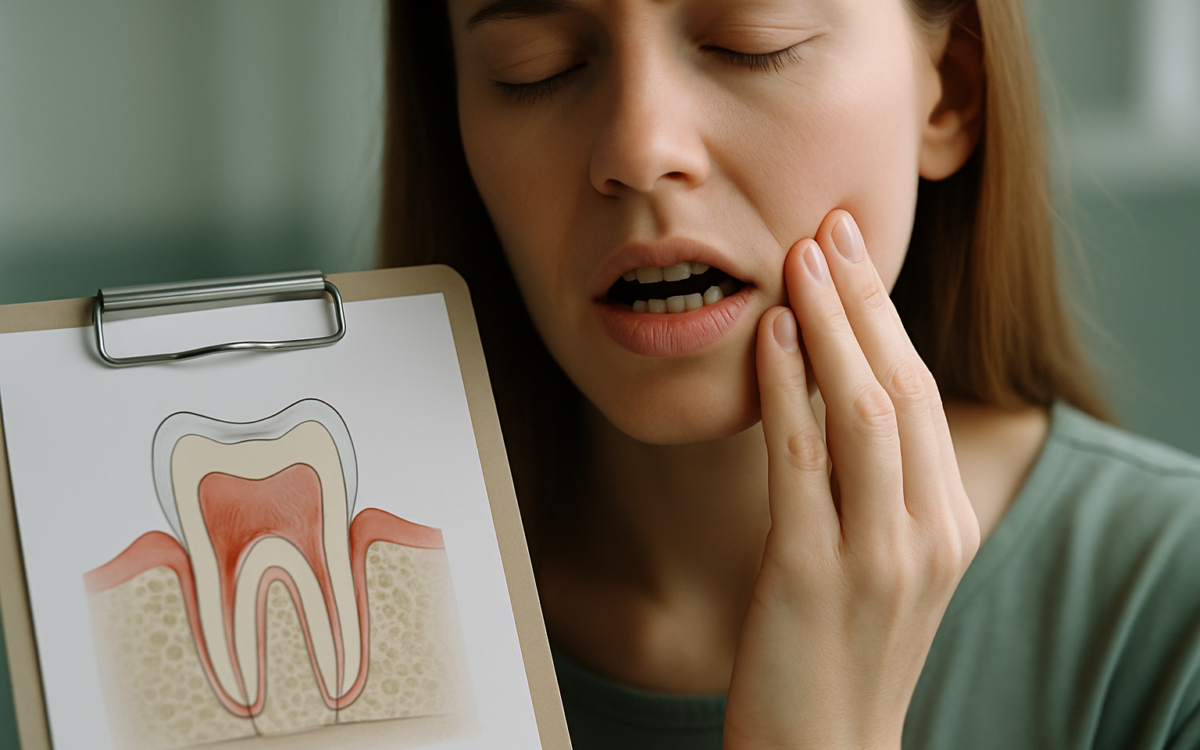
Periodontitis is more than just a dental concern; it’s a condition that can have serious repercussions on your overall health. Understanding its symptoms is essential for maintaining your oral health and preventing more severe complications. In this article, we will explore the signs of periodontitis, its causes, and what you can do to manage it effectively.
What is Periodontitis?
Periodontitis is an advanced stage of gum disease that occurs when plaque buildup leads to inflammation and infection of the gum tissues. It can cause damage to the supporting structures of the teeth and may ultimately result in tooth loss. This condition often develops after gingivitis, a milder form of gum disease.
Early Symptoms of Periodontitis
Recognizing the early symptoms of periodontitis can lead to prompt intervention. Some of the first signs to watch for include:
- Red or swollen gums: Healthy gums are pink and firm. If your gums appear red or swollen, it may indicate inflammation.
- Bleeding gums: Experiencing gum bleeding during brushing or flossing is a common early symptom.
- Persistent bad breath: Bad breath, or halitosis, that doesn’t go away even after brushing may indicate an infection.
- Changes in gum texture: Gums may appear puffy or have a spongy texture when affected by periodontitis.
Moderate Symptoms That May Develop
If periodontitis progresses without treatment, additional symptoms may arise, including:
- Pockets between teeth and gums: Deepening pockets may form as the gums pull away from the teeth, indicating a loss of tissue.
- Mobility of teeth: Teeth may begin to loosen as the supporting structures are compromised.
- Changes in bite alignment: If your teeth shift, it may alter how your bite fits together.
Severe Symptoms Indicating Advanced Periodontitis
For those with advanced periodontitis, more serious symptoms appear, such as:
- Severe gum recession: The gums may recede significantly, exposing more of the tooth or its roots.
- Abscesses or pus: Pockets of pus may form, which can be painful and indicate an infection.
- Systemic health issues: Advanced periodontitis has been linked to other health conditions, such as heart disease and diabetes.
Other Factors Contributing to Periodontitis Symptoms
Several factors may affect your risk for developing periodontitis. These include:
- Smoking: Tobacco use weakens your gums and seems to increase your risk for gum disease.
- Diabetes: High blood sugar levels can impair the body’s ability to fight infections, including gum disease.
- Hormonal changes: Conditions like pregnancy, menstruation, or menopause can make gums more sensitive and prone to infection.
- Medications: Some drugs may affect saliva production, reducing its ability to cleanse the mouth and fight bacteria.
- Genetics: A family history of periodontal disease can increase your likelihood of developing the condition.
Prevention and Management of Periodontitis
Preventing periodontitis largely relies on good oral hygiene habits. Here are some tips to keep your gums healthy:
- Brush twice a day: Use fluoride toothpaste and a soft-bristled toothbrush to clean your teeth.
- Floss daily: Flossing helps remove plaque from areas that a toothbrush can’t reach.
- Regular dental check-ups: Visit your dentist every six months for professional cleanings and check-ups.
- Avoid tobacco products: Quitting smoking can significantly improve gum health and overall wellness.
When to See a Doctor
If you notice any symptoms of periodontitis, it’s crucial to consult a dentist as soon as possible. Early intervention is key to preventing the disease from progressing. Signs such as persistent gum bleeding, increasing bad breath, or gum recession should not be ignored. Regular dental visits contribute to early detection and effective treatment.
For more information on periodontitis and its potential effects on your health, you can visit reliable sources like the NIH, WHO, and Mayo Clinic.
Maintaining your oral health is not just about keeping your teeth. By understanding the symptoms of periodontitis and taking action, you can preserve your smile and your overall health.
