
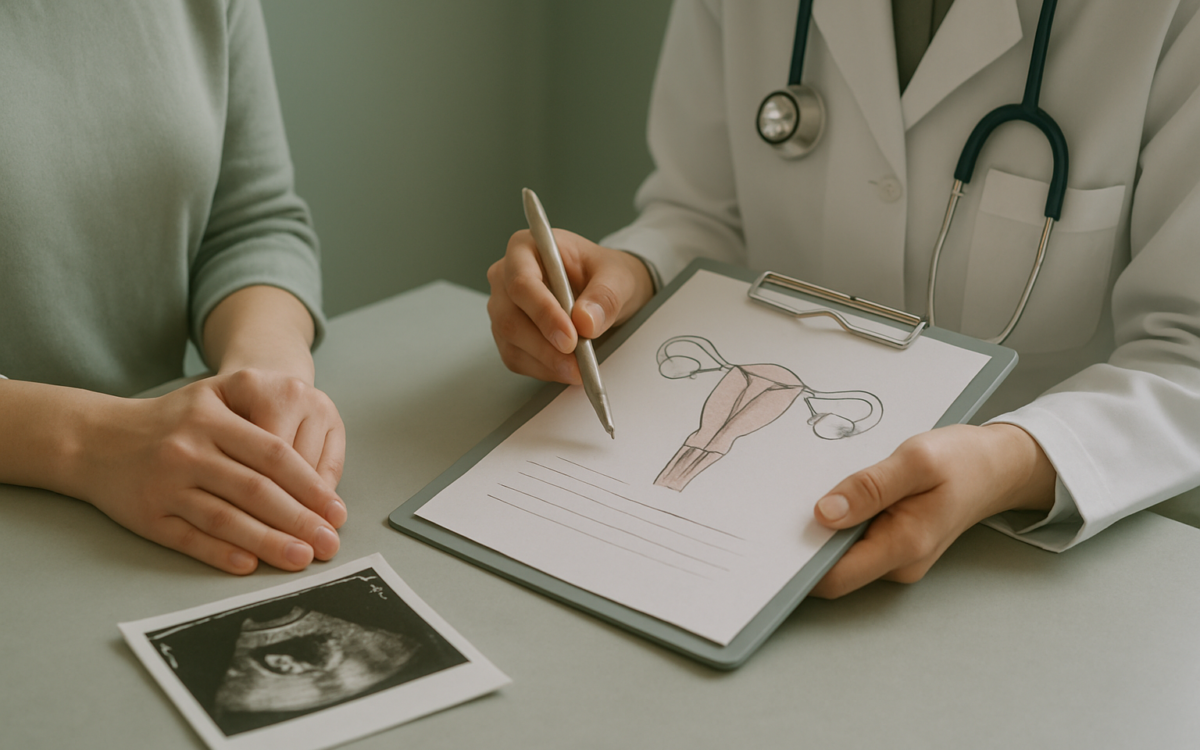
Polycystic ovary syndrome, or PCOS, is a condition that affects many women during their reproductive years. It is characterized by hormonal imbalances that can lead to various symptoms. Diagnosing PCOS can be challenging due to the variety of symptoms it presents. However, understanding the diagnostic process can empower women to seek the right care. In this article, we will explore how doctors diagnose PCOS and what women should know about this common condition.
Recognizing the Symptoms of PCOS
The first step in diagnosing PCOS often involves recognizing the symptoms. Common symptoms include:
- Irregular periods or missed periods
- Excess hair growth on the face and body (hirsutism)
- Acne and oily skin
- Weight gain or difficulty losing weight
- Thinning hair on the scalp
- Skin tags or dark patches of skin
Each woman may experience different symptoms, and the severity can vary. Some may have just a few symptoms, while others may experience many. Understanding these signs can help women identify if they should seek further evaluation.
The Role of Medical History
When visiting a healthcare provider, one of the first steps in diagnosing PCOS is reviewing the patient’s medical history. The doctor will ask about:
- The patient’s menstrual cycle, including how regular it is
- Any family history of PCOS or related conditions
- Previous and current symptoms
- Other health conditions or medications
A thorough medical history helps doctors gain insights into the likelihood of PCOS. It’s important to be open and honest during this discussion to ensure accurate diagnosis.
Physical Examination and Symptoms Assessment
A physical examination is another crucial step. During this examination, the doctor will:
- Check for signs of excess hair growth or acne
- Assess weight and body mass index (BMI)
- Examine the skin for dark patches or other abnormalities
Many healthcare providers may also measure blood pressure and perform other routine tests to rule out other conditions. This assessment of symptoms is vital for a proper diagnosis of PCOS.
Laboratory Testing
If the symptoms and examination suggest PCOS, doctors often recommend laboratory tests to confirm the diagnosis. These tests typically include:
- Hormone Level Tests: Blood tests help measure levels of hormones like testosterone and other androgens. Elevated levels can indicate PCOS.
- Blood Sugar Tests: Since women with PCOS may be at higher risk for insulin resistance, testing blood sugar levels can give insight into metabolic health.
- Lipid Profile: This test evaluates cholesterol and triglycerides, important for assessing cardiovascular health.
Laboratory tests are crucial for differentiating PCOS from other conditions with similar symptoms, like thyroid disorders or adrenal gland issues. You can learn more about hormone tests from the NIH.
Imaging Tests: Ultrasound Exam
Another important aspect of diagnosing PCOS is imaging tests, particularly pelvic ultrasound. This test allows doctors to visualize the ovaries and look for cysts. During the ultrasound, the doctor may check for:
- Ovaries that are enlarged or have a larger number of cysts than usual
- Thickened lining of the uterus
While the presence of cysts is a common sign, it is important to note that not all women with PCOS have cysts on their ovaries. The diagnosis of PCOS is based on symptoms, lab tests, and imaging results combined, rather than one single factor.
Diagnostic Criteria for PCOS
The diagnosis of PCOS typically follows the guidelines established by the World Health Organization. According to these criteria, a woman must meet at least two of the following:
- Irregular or absent menstrual cycles
- Elevated levels of androgens or clinical signs of excess androgens
- Polycystic ovaries visible on ultrasound
These criteria help healthcare providers make an accurate diagnosis. If you suspect you might have PCOS, consulting a healthcare provider who understands these criteria is essential for proper assessment.
When to See a Doctor
If you experience symptoms such as missed periods, unexpected weight gain, or excessive hair growth, it may be time to consult a healthcare provider. Early diagnosis and intervention can help manage symptoms and reduce the risk of complications like diabetes and heart disease.
Conclusion
Understanding how to diagnose PCOS can help women take charge of their health. By recognizing symptoms, undergoing appropriate tests, and consulting with healthcare professionals, women can navigate the complex landscape of this common condition. If you have concerns about PCOS, don’t hesitate to reach out to your doctor for personalized guidance and support.
