
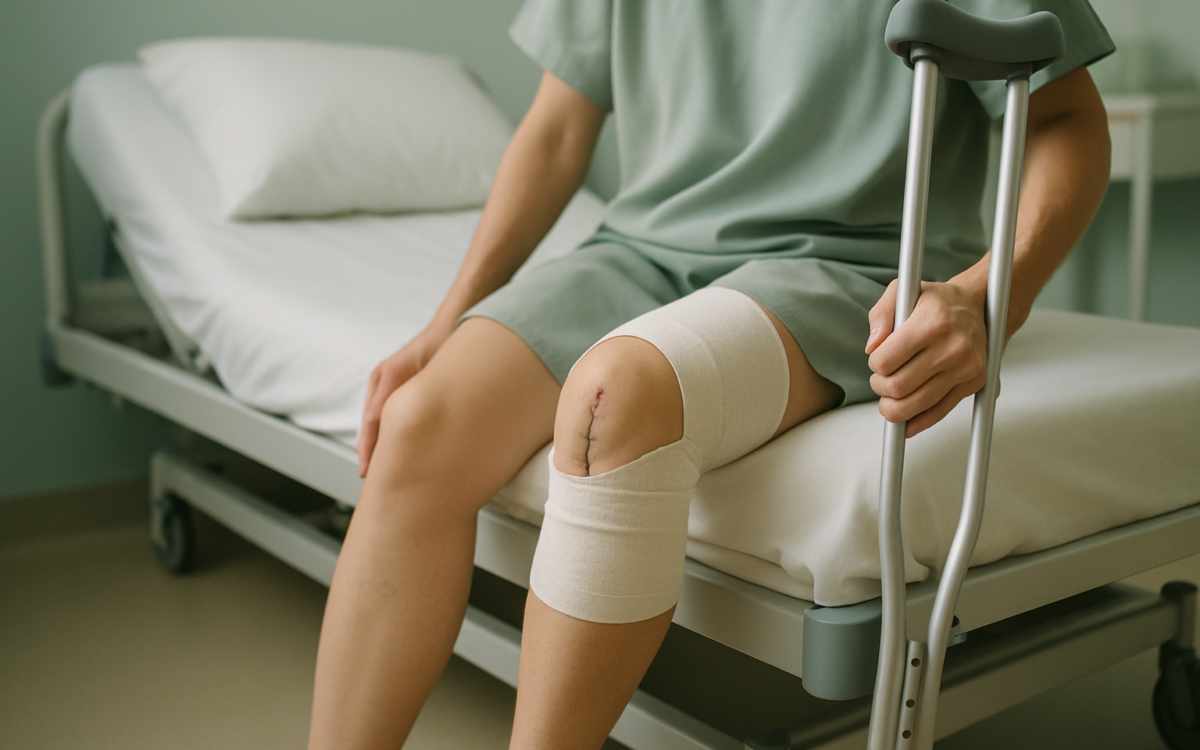
Undergoing knee surgery can be daunting, but understanding the recovery process can make a significant difference in your journey toward healing. Whether you’re having a total knee replacement or arthroscopic surgery, knowing what to expect can ease your anxiety and prepare you for a smoother recovery.
Understanding the Surgical Procedure
Knee surgery may be necessary for various reasons, including arthritis, ligament injuries, and cartilage damage. The type of surgery performed often dictates the recovery timeline and rehabilitation program. For instance, total knee replacement involves removing damaged bone and cartilage, while arthroscopy is a minimally invasive procedure that requires smaller incisions.
What to Expect in the First Few Days
The initial days after surgery are crucial for your recovery. Here’s what you can anticipate:
- Pain Management: It’s normal to experience pain and swelling after surgery. Your healthcare team will prescribe medication to help manage your discomfort.
- Rest is Key: Plan to rest and elevate your leg as much as possible, especially in the first 48 hours.
- Physical Therapy: Most patients begin physical therapy shortly after surgery to regain mobility. Your therapist will guide you through gentle exercises.
Weeks One to Four: Starting Rehabilitation
During the first month of recovery, your focus will shift towards rehabilitation:
- Continue Physical Therapy: Therapy sessions typically increase as you regain strength. Exercises may include gentle squats and range-of-motion activities.
- Use Assistive Devices: Crutches or a walker may be necessary to help you move safely. Be sure to follow your therapist’s recommendations when using these tools.
- Monitor Swelling: Ice applications can greatly assist in managing swelling, especially after physical therapy sessions. Keep ice on the knee for 15-20 minutes at a time.
Weeks Four to Six: Gaining Strength and Mobility
Once you reach the one-month mark, you should notice significant improvement in your mobility and strength:
- Increase Activity Level: With approval from your doctor, you may begin to engage in low-impact activities like swimming or cycling.
- Continue Exercises: Your physical therapist may introduce strength training exercises to help stabilize your knee.
- Daily Activities: Many patients find they can return to light daily activities like walking around the house or running errands.
Long-Term Recovery: Six Weeks and Beyond
Long-term recovery can take several months, and it’s essential to have realistic expectations:
- Follow-Up Appointments: Keep regular appointments with your surgeon to monitor your recovery progress.
- Full Range of Motion: Some patients may take up to a year to fully regain strength and range of motion in the knee.
- Lifestyle Adjustments: Consider incorporating low-impact exercises into your regular routine to maintain joint health.
Emotional Well-Being After Surgery
The road to recovery is not just physical; it’s also emotional. Here are a few ways to support your mental health during your rehabilitation:
- Stay Connected: Engage with family and friends for social support, which can significantly boost your mood.
- Set Achievable Goals: Break your recovery into small, manageable milestones. Celebrate these achievements to stay motivated.
- Mindfulness and Relaxation: Consider mindfulness exercises or gentle yoga to help manage any stress or anxiety surrounding your recovery.
When to See a Doctor
While some discomfort after knee surgery is expected, certain signs may indicate a need for medical attention:
- Severe swelling or persistent pain despite medication
- Redness or warmth around the surgical site, which may indicate infection
- Fever over 101°F (38.3°C)
- Difficulty moving your knee as recommended by your therapist
If you experience any of these symptoms, don’t hesitate to contact your healthcare provider.
Ultimately, successful recovery from knee surgery involves patience, support, and diligence in following your rehabilitation plan. By preparing yourself for the journey ahead and staying proactive in your recovery, you can look forward to a future where you are free to enjoy the activities you love.
