
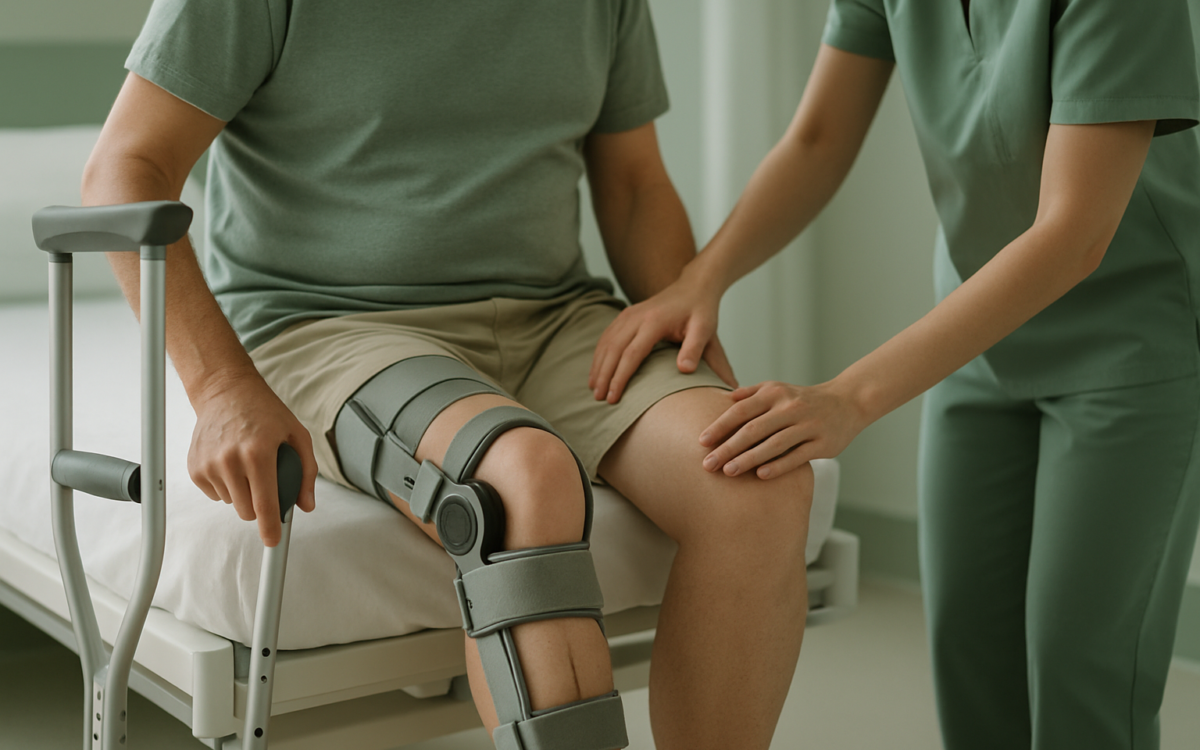
Recovering from knee replacement surgery is a journey that involves physical, emotional, and practical aspects. Knowing what to expect can help ease anxiety and support a successful healing process. This article will guide you through the essential stages of recovery, offering insights into rehabilitation, managing pain, and understanding your body’s healing process.
Understanding the Recovery Timeline
The recovery timeline after a knee replacement can vary from person to person, depending on several factors, including age, overall health, and the type of surgery performed. Most patients can expect to spend around 1 to 2 days in the hospital following the procedure. After that, your home recovery really begins.
Generally, the initial recovery phase lasts about six weeks. During this time, you’ll gradually increase your activity level, focusing on regaining strength and mobility. Here’s a rough overview of what to expect:
- First week: Focus on pain management, ice application, and gentle movements.
- Weeks 2-3: Begin physical therapy, increasing range of motion and strength exercises.
- Weeks 4-6: Continue physical therapy, and most can resume light daily activities.
- 6 months to 1 year: Full recovery can continue for up to a year, with most patients regaining nearly all their mobility.
Rehabilitation and Physical Therapy
Physical therapy is a crucial part of recovery from knee replacement surgery. Your doctor will likely refer you to a physical therapist who specializes in post-surgical rehabilitation. Physical therapy helps restore movement, strength, and flexibility in the knee.
During your sessions, you’ll likely engage in a variety of exercises. Common activities include:
- Gentle range-of-motion exercises to improve flexibility.
- Strength training exercises to rebuild muscle around the knee.
- Balance and coordination activities to help regain stability.
Remember to communicate openly with your therapist. Share any discomfort, as they may adjust your plan accordingly. Consistency is key; attending sessions and practicing exercises at home enhances your recovery.
Managing Pain and Swelling
Pain and swelling are common after knee replacement surgery. Here are some tips for managing these symptoms:
- Medication: Follow your doctor’s instructions regarding pain medications. Over-the-counter medications like ibuprofen can also help with pain relief and swelling.
- Icing: Applying ice packs to your knee can reduce swelling and numb pain in the affected area.
- Elevation: Keep your leg elevated on pillows to minimize swelling.
- Compression: Wearing a compression bandage can help reduce swelling and provide support.
Always consult with your healthcare provider about your pain management plan, especially if experiencing high levels of discomfort that interfere with your recovery.
Returning to Daily Activities
One of the main goals of knee replacement surgery is to help you return to daily activities that you enjoy. By the time you reach the six-week mark, many patients start to reintroduce light activities, such as walking or getting around the house.
However, keep in mind that returning to more vigorous activities like sports or heavy lifting may take longer. Experts recommend that patients wait at least three to six months before engaging in high-impact sports. Always listen to your body; if you feel pain or discomfort, consider rescheduling that activity.
International Perspectives on Knee Replacement Recovery
For those considering treatment abroad or wanting to learn more about international patient services, understanding recovery processes in different healthcare systems can be enlightening. Countries such as Turkey have made significant strides in offering advanced knee replacement surgeries and rehabilitation programs. Facilities often cater to international patient services, providing comprehensive care that includes everything from surgery to recovery support.
When choosing to undergo surgery abroad, it’s essential to research reputable facilities and ensure you have adequate follow-up care in your home country. Patient testimonials and accreditation can often provide assurance about the quality of care you can expect.
Long-Term Outlook and Follow-Up
The long-term outlook for patients who have undergone knee replacement surgery is generally positive. Many people experience significant pain relief and improved mobility. However, it’s vital to maintain a healthy lifestyle, including regular exercise and a balanced diet, to support your knee health.
Follow-up appointments with your healthcare provider are critical to monitor your recovery. They may recommend additional imaging to assess the state of your knee and the progress you’re making. Adhering to rehabilitation protocols and keeping an open line of communication with your medical team will help ensure the best outcomes.
When to See a Doctor
While some pain and discomfort are typical during recovery, you should consult your doctor if you experience any of the following symptoms:
- Increased swelling that does not decrease with rest or elevation.
- Increasing levels of pain that are unmanageable with prescribed medication.
- Signs of infection, such as fever, chills, or redness near the incision site.
- Issues with mobility that do not improve with physical therapy.
Your doctor can provide further insight into your symptoms and adjust your recovery plan as needed. Always prioritize your well-being and reach out if you’re uncertain about any aspect of your recovery process.
In conclusion, recovery from knee replacement surgery involves patience and commitment. By understanding the timeline, engaging in rehabilitation, managing pain, and knowing when to seek medical help, you can navigate this journey more effectively. Remember that every person’s recovery is unique, and consulting with your healthcare team is essential for optimal outcomes.
