
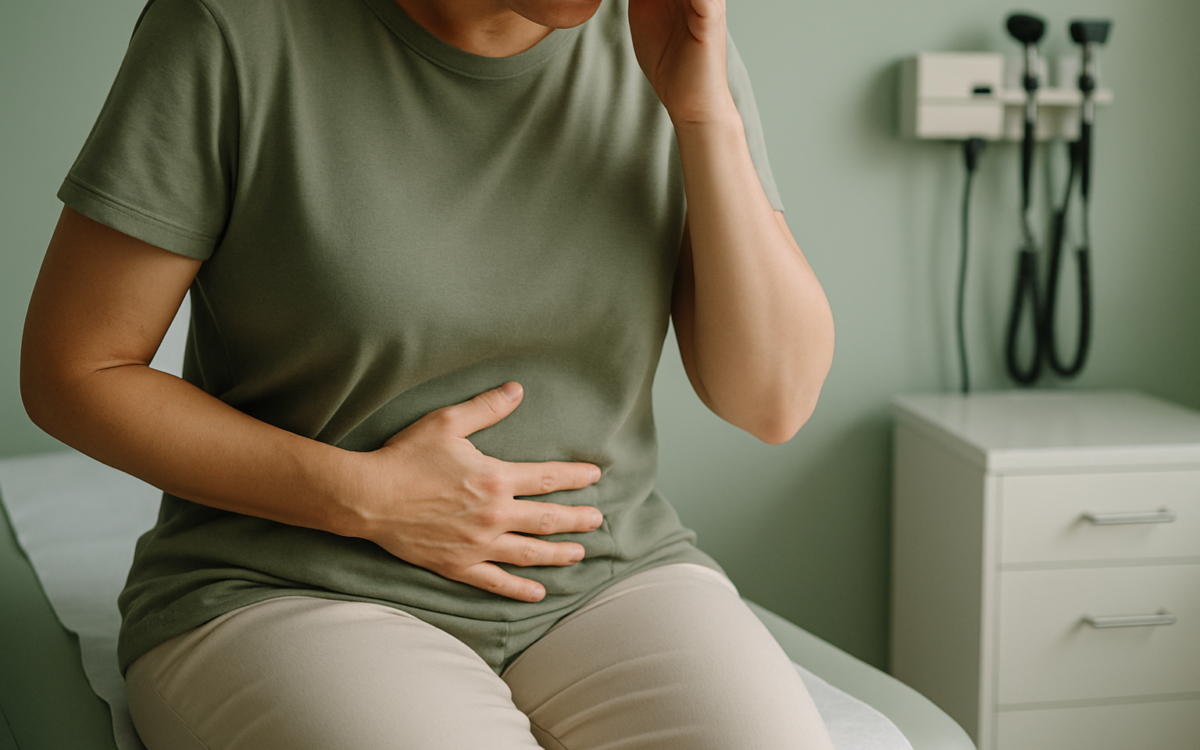
As women transition toward menopause, they often encounter a variety of changes in their bodies and overall well-being. This stage is known as perimenopause, and it can start as early as the late 30s or early 40s. Understanding early perimenopause symptoms is crucial for recognizing this natural phase of life and managing its effects.
What Is Perimenopause?
Perimenopause is the time leading up to menopause when a woman’s body undergoes hormonal changes. During this period, estrogen and progesterone levels begin to fluctuate, leading to various physical and emotional symptoms. The duration of perimenopause can last anywhere from a few months to several years before menstruation officially stops.
Common Early Symptoms of Perimenopause
Identifying the early symptoms of perimenopause can help women prepare for the changes ahead. Here are some of the most common signs:
- Irrregular Menstrual Cycles: One of the first signs of perimenopause is changes in the menstrual cycle. Periods may become longer, shorter, heavier, or lighter, making it a hallmark symptom of this phase.
- Hot Flashes and Night Sweats: Many women experience sudden feelings of warmth, known as hot flashes, which can also lead to night sweats. These can be uncomfortable and disrupt sleep.
- Mood Swings: Fluctuating hormone levels can lead to emotional changes, including mood swings, increased irritability, or anxiety.
- Sleep Disturbances: Women might find it increasingly difficult to sleep soundly through the night. Insomnia and early waking can affect overall mood and energy levels.
- Physical Changes: Some may notice changes in their bodies, such as weight gain, especially around the abdomen, and a decrease in muscle mass.
- Vaginal Dryness: Lower estrogen levels can lead to vaginal dryness or discomfort during sex, significantly affecting quality of life.
The Role of Hormones
The hormonal changes occurring during perimenopause are the root causes of many symptoms. Estrogen, which plays a significant role in regulating the menstrual cycle and maintaining the health of various body systems, fluctuates significantly during this time. As estrogen levels decline, women may experience some symptoms, such as hot flashes and mood swings, while sudden increases can lead to heavier menstrual periods.
Managing Symptoms
While perimenopause is a natural process, the symptoms can be uncomfortable. Here are some strategies to help manage them:
- Maintain a Healthy Lifestyle: Eating a balanced diet rich in fruits, vegetables, lean proteins, and whole grains can support overall health. Regular physical activity is essential for maintaining a healthy weight and reducing stress.
- Practice Stress-Relief Techniques: Engaging in yoga, meditation, or deep-breathing exercises can help manage stress levels and improve emotional well-being.
- Seek Social Support: Connecting with friends or joining a support group can be empowering and reassuring as you navigate the symptoms of perimenopause.
- Consult a Healthcare Provider: Discussing symptoms with a healthcare provider can help women explore treatment options, including hormone therapy, if appropriate.
When to See a Doctor
While experiencing some symptoms of early perimenopause is typical, knowing when to consult a doctor is essential. Seek medical advice if:
- Your menstrual cycles become excessively heavy or prolonged.
- You experience severe mood swings that interfere with daily life.
- Sleep disturbances become chronic and impact your well-being.
- You notice any unusual physical changes that concern you.
A healthcare provider can help establish a plan to address your symptoms and ensure your overall wellness during this transition.
Conclusion
Early perimenopause can be a time of significant change, but understanding its symptoms can help in managing them effectively. By prioritizing your health and well-being, you can navigate this transition with confidence and support. Remember, it’s essential to consult your healthcare provider if you have concerns or need guidance tailored to your individual needs.
