
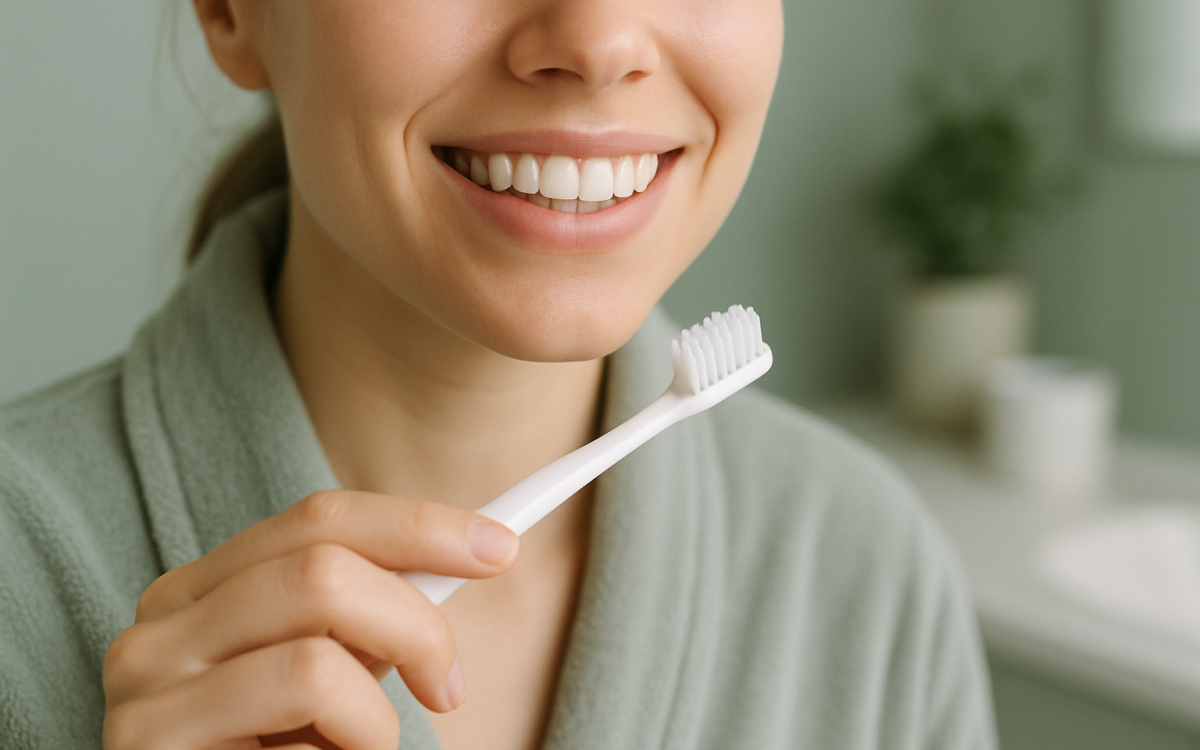
A bright, white smile is often associated with good health and confidence. Over time, however, various factors can lead to tooth discoloration, making your pearly whites appear less than their best. Thankfully, you don’t need to spend a fortune on expensive whitening treatments to keep your teeth looking fresh. With a few simple and effective strategies, you can maintain a beautiful smile.
Understanding Tooth Discoloration
Before diving into ways to maintain white teeth, it’s essential to understand what causes tooth discoloration. The outer enamel layer of your teeth is naturally white, but various factors can lead to a dull or yellowish appearance. Here are some common culprits:
- Food and Drink: Beverages like coffee, tea, red wine, and sodas can stain your teeth. Certain foods, such as blueberries and soy sauce, can have a similar effect.
- Smoking and Tobacco Use: Tobacco products can cause significant discoloration of teeth over time.
- Poor Oral Hygiene: Inadequate brushing and flossing can lead to plaque buildup, which can cause teeth to look yellow.
- Age: As we get older, the enamel on our teeth wears down, revealing the yellow dentin underneath.
Effective Daily Oral Hygiene Practices
One of the most important steps in keeping your teeth white is to maintain a consistent oral hygiene routine. Here are essential tips:
- Brush at Least Twice a Day: Use fluoride toothpaste to effectively remove plaque and surface stains. Make sure to brush for at least two minutes each time and don’t forget to hit all surfaces of your teeth.
- Floss Daily: Flossing helps remove food particles and plaque from between your teeth, where your toothbrush may not reach.
- Use Mouthwash: An antibacterial mouthwash can help reduce plaque and promote gum health, further contributing to a whiter smile.
Natural Ways to Whiten Teeth
If you’re looking for natural alternatives to over-the-counter whitening products, there are several home remedies you might consider:
- Baking Soda: This common kitchen ingredient can help scrub away stains. Mix a small amount of baking soda with water to form a paste and brush your teeth with it a few times a week.
- Hydrogen Peroxide: A mild bleach, hydrogen peroxide can help whiten teeth. You can use it as a mouth rinse (make sure to dilute it with water) or mix it with baking soda to create a paste.
- Apple Cider Vinegar: While it should not be used too frequently due to its acidity, diluted apple cider vinegar can help remove stains from teeth. Use it sparingly and rinse your mouth afterward.
Foods That Help Whiten Teeth
Incorporating certain foods into your diet can also contribute to a brighter smile. Here are some options:
- Fruits and Vegetables: Crunchy fruits and veggies like apples, carrots, and celery can help scrub away plaque as you chew.
- Dairy Products: Cheese, yogurt, and milk can help neutralize acids in the mouth and are great for maintaining strong enamel.
- Strawberries: This fruit contains malic acid, which can provide mild whitening effects.
Professional Dental Treatments
For those seeking quicker results or more intense whitening, professional treatments are available. These include:
- In-Office Whitening: Dentists can provide powerful bleaching agents that yield noticeable results in just one session.
- Custom-Fitted Trays: Dentists can also supply custom mouth trays and whitening gel for at-home use, providing effective long-term results.
It’s important to consult your dentist before beginning any whitening regimen, especially to understand which treatment aligns with your dental health needs. Check with reliable sources like the Mayo Clinic or NIH for up-to-date information on dental health.
Maintaining Your Results
Once you’ve achieved your desired level of whiteness, maintaining those results is crucial. Here are some strategies:
- Limit Staining Foods and Drinks: If you know certain foods or drinks stain your teeth, try to limit their consumption or rinse your mouth with water afterward.
- Use a Straw: When drinking beverages that can stain, use a straw to minimize contact with your teeth.
- Regular Dental Checkups: Regular visits to your dentist for cleanings can help keep your teeth healthy and white.
When to See a Doctor
If you notice persistent discoloration, sensitivity, or any unusual changes in your teeth, it’s important to consult your dentist. They can assess your dental health and recommend appropriate treatments.
In conclusion, maintaining a white smile is achievable through consistent oral hygiene and mindful dietary choices. Incorporating both natural and professional methods can greatly enhance your efforts. By keeping your mouth healthy and being intentional about what you consume, you will find your smile reflecting the confidence and health you deserve.
