
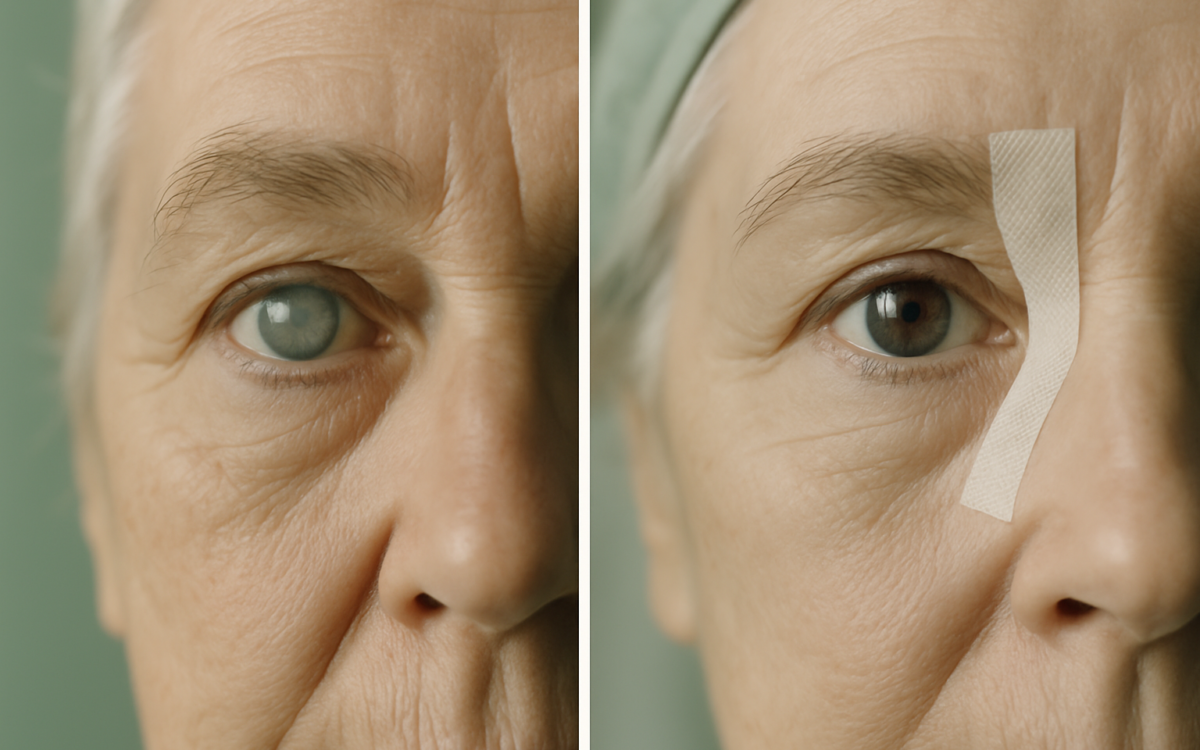
For many people, the decision to undergo eye surgery can feel overwhelming. Whether you’re considering corrective procedures like LASIK, cataract surgery, or other vision-enhancing treatments, understanding what to expect before and after the operation can make a significant difference. This article will guide you through the key aspects of the journey, helping to ease your anxiety and preparing you for what lies ahead.
What to Expect Before Eye Surgery
Preparation is key to a successful eye surgery experience. Here’s a look at what you need to know:
Your Pre-Op Consultation
Before surgery, you will have a consultation with your eye doctor. This visit is vital for assessing your eye health and determining if you’re a suitable candidate for the procedure. Your doctor will conduct various tests, including:
- Comprehensive eye exam
- Measuring the curvature of your cornea
- Checking your overall health history
- Discussing any medications you’re currently taking
During this appointment, be open about your expectations and ask any questions you may have. Knowing what to expect will help alleviate your fears.
Preparing for Surgery
Once you’ve scheduled your eye surgery, here are some steps to help you prepare:
- Follow Pre-Operative Instructions: Your doctor will provide specific guidelines, which may include avoiding certain medications or refraining from eating or drinking before the procedure.
- Arrange Transportation: Since you won’t be able to drive post-surgery, plan for someone to take you home.
- Take Time Off: Ensure you have time to recover. Most surgeries require a few days to a week of downtime, depending on the type.
Understanding the Surgical Process
The surgical procedure itself can vary significantly based on the type of eye surgery you are having. However, here are some general elements you can expect:
- Local Anesthesia: Most eye surgeries are performed under local anesthesia, meaning you will be awake but will not feel pain.
- Duration: The surgery usually lasts between 15 minutes to an hour, depending on the complexity of the procedure.
- Advanced Technology: Many clinics use advanced surgical techniques and technology to ensure safety and precision.
During the operation, it’s essential to remain calm. Your medical team will guide you through the entire process.
After the Procedure: Recovery Period
Post-surgery, you’ll need to follow specific guidelines to promote healing and ensure the best possible outcome:
Immediate Aftercare
After surgery, you might experience temporary discomfort, which is normal. Here are some aspects to keep in mind:
- Vision Changes: Some people notice blurry vision or halos around lights. These symptoms typically improve shortly after the procedure.
- Protect Your Eyes: Use any prescribed eye drops and wear protective eyewear as advised. This will help reduce the risk of infection.
- Rest Your Eyes: Avoid screens and strenuous activities for a few days to give your eyes a chance to heal.
Long-Term Care and Observation
Long-term recovery involves routine follow-ups with your eye doctor:
- Follow-Up Appointments: Attend all scheduled check-ups to monitor healing progress.
- Listen to Your Body: If you experience pain, vision changes, or other concerns, contact your doctor immediately.
- Gradual Return to Activities: You can typically return to daily activities within a few days, but full recovery may take weeks to a few months, depending on the procedure.
Common Challenges and FAQs
Many people have questions about what to expect during recovery. Here are some common concerns:
Will I Need Glasses After Surgery?
This depends on the type of surgery and your individual circumstances. For some, vision might improve enough to eliminate the need for glasses, while others may still require them for certain activities.
What Are Possible Complications?
While complications are rare, they can occur. Possible issues include:
- Infection
- Vision loss or changes
- Dry eyes
If you notice any unusual symptoms, contact your doctor for advice.
When to See a Doctor
After your eye surgery, maintain regular communication with your healthcare provider. You should seek medical attention if:
- You experience sudden vision loss or drastic changes in your vision.
- You have persistent pain that doesn’t improve.
- There are signs of infection, such as increased redness, swelling, or discharge.
Conclusion
Understanding both the pre-operative preparations and the post-operative recovery process is crucial for anyone considering eye surgery. By being well-informed and following your doctor’s guidance, you can enhance your chances of a successful outcome and enjoy better vision. Remember, your eyes are precious; take good care of them every step of the way!
