
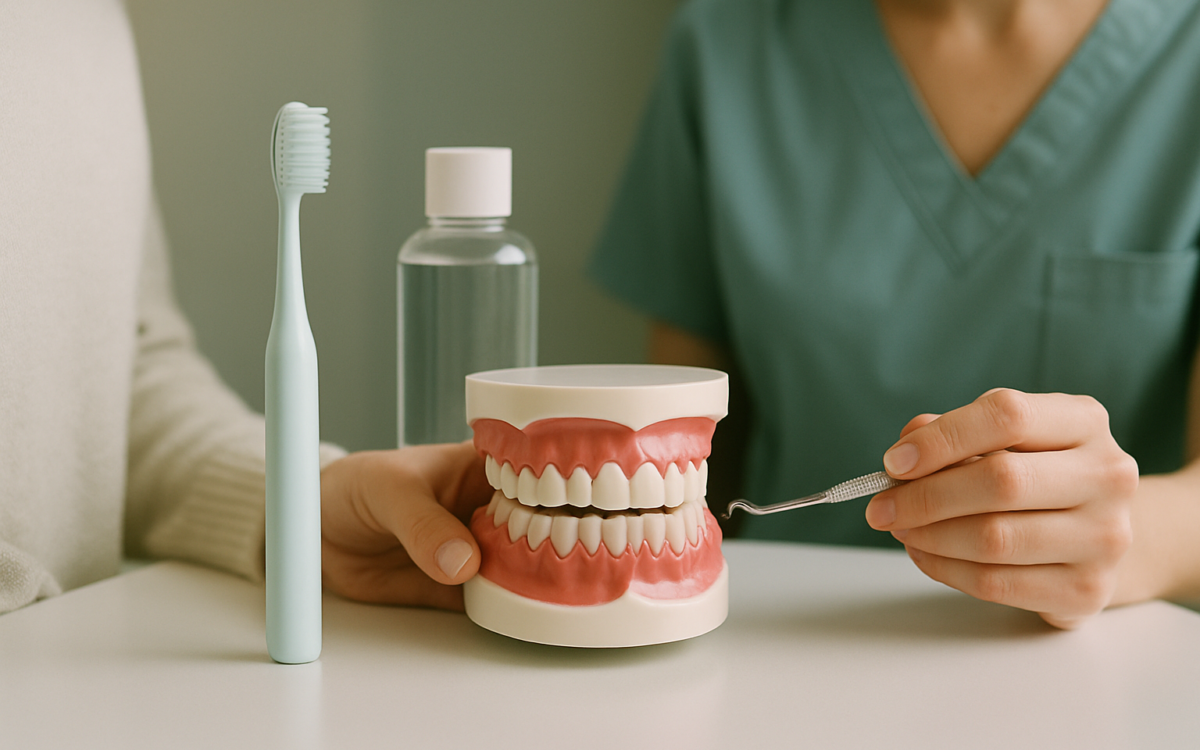
Gum disease, also known as periodontal disease, is a common condition that affects many people at some point in their lives. It starts when bacteria in plaque build up on your teeth and cause inflammation of the gums. If left untreated, it can lead to serious issues, including tooth loss.
This article will guide you through effective strategies to get rid of gum disease, emphasizing natural methods and preventative care that can help restore your oral health.
Understanding Gum Disease
Gum disease usually begins with gingivitis, the early stage where your gums become red, swollen, and may bleed during brushing. If gingivitis is not addressed, it can progress to periodontitis, a more severe form that can damage the bones that support your teeth.
Common symptoms of gum disease include:
- Red or swollen gums
- Bleeding while brushing or flossing
- Bad breath
- Loose teeth
It is important to recognize these symptoms early, as early intervention can reverse gum disease effectively.
Daily Oral Hygiene Practices
The foundation of fighting gum disease lies in good oral hygiene practices. Here are some essential steps you can take:
Brushing your teeth
Brush your teeth at least twice a day with a fluoride toothpaste. Make sure to use a soft-bristled toothbrush and gentle strokes to avoid irritating your gums.
Flossing daily
Flossing helps remove plaque and food particles from between your teeth and below the gum line, which a toothbrush cannot reach. Aim to floss at least once a day.
Rinsing with mouthwash
Using an antimicrobial mouthwash can help kill bacteria that cause gum disease. Look for products specifically formulated to support gum health.
Natural Remedies for Gum Disease
In addition to regular brushing and flossing, some natural remedies may help reduce inflammation and bacteria in your mouth:
Saltwater rinse
A saltwater rinse can reduce swelling and kill bacteria. Mix one teaspoon of salt in a glass of warm water, swish it in your mouth for about 30 seconds, and spit it out. This can be done once or twice a day.
Tea tree oil
Tea tree oil has natural antibacterial properties. You can add a drop of tea tree oil to your toothpaste or mix it with a carrier oil and gently massage it onto your gums. Do not swallow tea tree oil, and discontinue use if irritation occurs.
Aloe vera
Aloe vera is known for its soothing properties. Using an aloe vera gel on your gums may reduce inflammation and promote healing.
Lifestyle Changes to Consider
Healthier lifestyle choices can also support your efforts to prevent and manage gum disease:
Quit smoking
If you smoke, consider quitting. Smoking is one of the most significant risk factors for gum disease, as it weakens your immune system and hinders healing.
Healthy diet
A balanced diet rich in vitamins and minerals can strengthen your gums. Foods high in vitamin C, such as oranges and strawberries, can promote gum health.
Stay hydrated
Drinking plenty of water helps rinse away food particles and bacteria from your mouth. Water is also essential for overall health.
Professional Dental Care
While at-home practices are essential, regular check-ups with your dentist are crucial for maintaining gum health:
Routine cleanings
Professional cleanings can remove tartar that regular brushing cannot. Your dentist can also provide personalized advice based on your oral health status.
Periodontal therapy
If you have advanced gum disease, your dentist may recommend treatments like scaling and root planing, which involve deep cleaning the gums and removing plaque from deeper pockets.
When to See a Doctor
If you notice any of the following symptoms, it’s time to consult with a dental professional:
- Persistent bad breath
- Gums that are red, swollen, or bleeding regularly
- Changes in bite or tooth position
- Loose teeth
Addressing gum disease early can make a significant difference in your treatment options and outcomes.
Conclusion
Getting rid of gum disease requires dedication to oral hygiene and lifestyle changes. By following these natural steps and seeking professional advice when necessary, you can improve your gum health and reduce the risk of serious dental issues. Remember, prevention is always better than cure, so keep an eye on your oral hygiene habits!
