
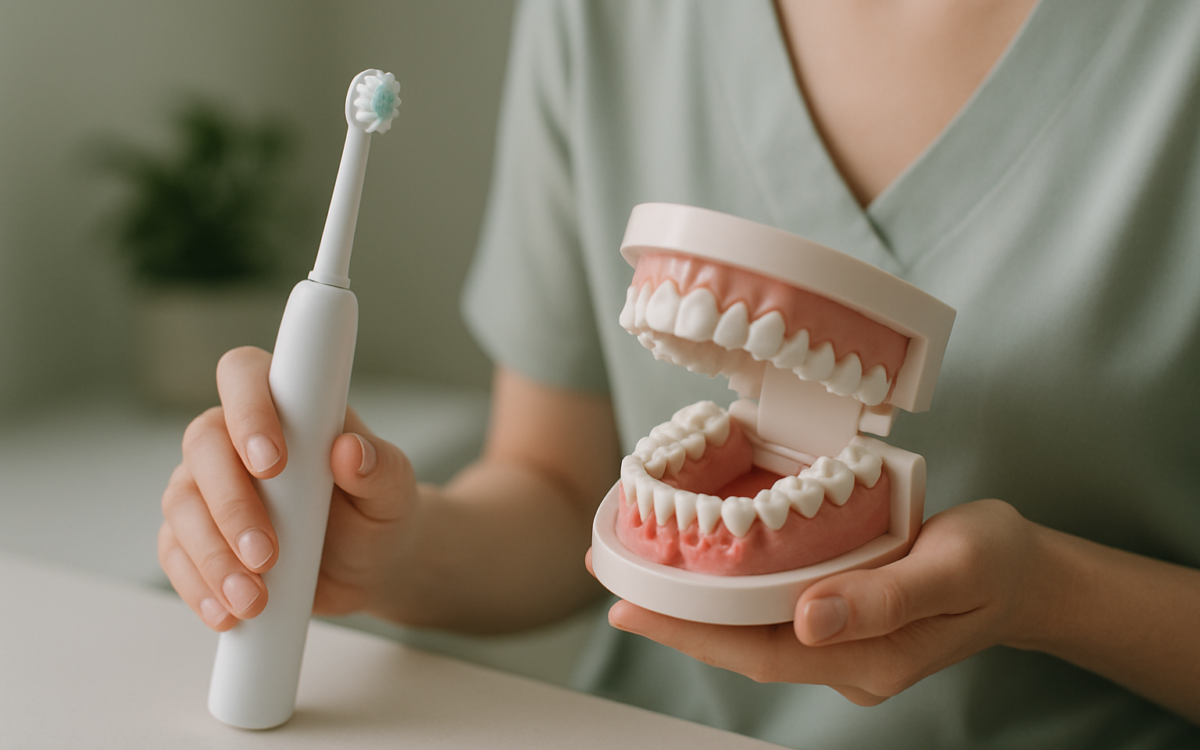
Gum disease, also known as periodontal disease, is a common yet serious condition that affects many people. It can lead to tooth loss and other health issues if not addressed. Fortunately, with the right knowledge and actions, you can effectively manage and even rid yourself of gum disease. This article discusses the causes of gum disease, effective treatments, preventive measures, and how to maintain overall oral health.
What is gum disease?
Gum disease is an infection of the tissues that surround and support your teeth. It typically starts as gingivitis, characterized by inflammation and bleeding of the gums. If left untreated, gingivitis can progress to periodontitis, a more severe form of gum disease that can lead to tooth loss. According to the National Library of Medicine, the prevalence of gum disease increases with age, making awareness and preventative measures crucial.
Causes of gum disease
The primary cause of gum disease is the buildup of plaque, a sticky film of bacteria that forms on your teeth. Other factors can increase your risk:
- Poor oral hygiene: Inconsistent brushing and flossing can allow plaque to harden into tartar, worsening gum health.
- Smoking: Tobacco use is strongly associated with gum disease and decreases your ability to fight infections.
- Genetics: Some people are more susceptible to gum disease because of their genetic makeup.
- Hormonal changes: Events like pregnancy or menopause can make gums more sensitive and prone to infection.
- Certain health conditions: Diabetes, heart disease, and autoimmune diseases can increase your risk.
Recognizing the symptoms
Being aware of the symptoms can help you catch gum disease early. Common signs include:
- Red, swollen, or bleeding gums
- Persistent bad breath
- Receding gums (when gums pull away from the teeth)
- Loose teeth
- Pain when chewing
If you notice any of these symptoms, it’s important to take action quickly.
Effective treatments for gum disease
The treatment for gum disease may vary depending on its severity:
1. Professional cleaning
Your dentist may recommend a professional cleaning to remove plaque and tartar from your teeth. This could include:
- Scaling: A process to remove tartar above and below the gum line.
- Root planing: Smoothing the roots of your teeth to aid in healing and help prevent bacteria from reattaching.
2. Medications
In some cases, your dentist may prescribe antibiotics to control bacterial infections. This might include:
- Topical antibiotics applied directly to the gums
- Oral antibiotics to reduce bacteria
3. Surgical treatments
For advanced periodontitis, surgical options may be necessary. These could include:
- Flap surgery: Lifting back the gums to clean the roots and then suturing them back into place.
- Bone grafts: Rebuilding bone lost to gum disease.
Consult your dentist for specific recommendations based on your condition.
Preventing gum disease
Prevention is always better than treatment. Here are effective ways to maintain your gum health:
- Practice good oral hygiene: Brush twice daily and floss at least once a day.
- Regular dental visits: Schedule check-ups and cleanings at least every six months.
- Quit smoking: Seek support to help with quitting, as this can significantly lower your risk of gum disease.
- Eat a balanced diet: Consume plenty of fruits, vegetables, and whole grains to support your oral health.
- Stay hydrated: Drinking water can help wash away food particles and bacteria.
Maintaining long-term oral health
After dealing with gum disease, maintaining long-term oral health is crucial. Keep these tips in mind:
- Set reminders for daily brushing and flossing.
- Use anti-gingivitis toothpaste or mouthwash if recommended by your dentist.
- Stay informed about your oral health and discuss any changes with your dentist.
For more information on maintaining oral health, visit the World Health Organization website.
When to see a doctor
If you experience symptoms of gum disease, such as persistent bad breath, swollen gums, or bleeding when you brush, consult your dentist promptly. Early detection and treatment can save you from more severe complications down the road.
In conclusion, gum disease is a manageable condition with significant implications for your oral health. Understanding its causes and being proactive can help you maintain a healthy smile. With proper care, it is entirely possible to overcome gum disease and enjoy lasting dental health.
