
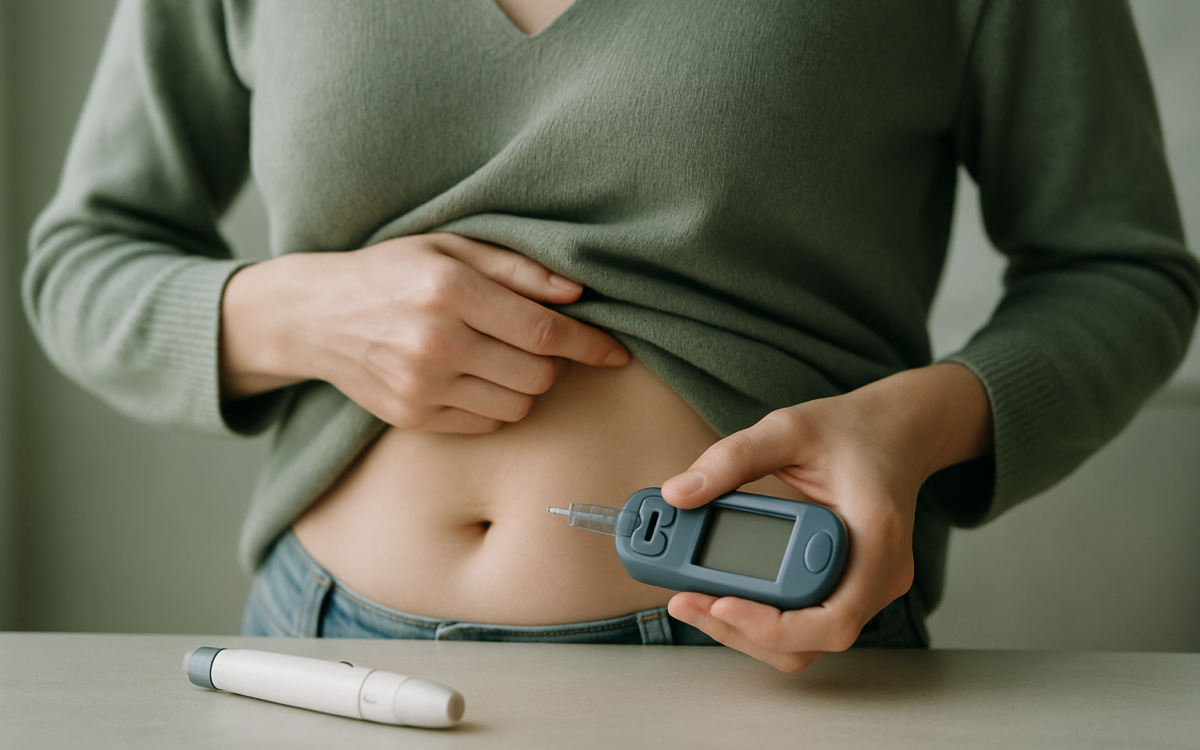
Type one diabetes is a serious condition that requires careful management and awareness. It can happen at any age but is most commonly diagnosed in children and young adults. Understanding the signs and symptoms early can lead to quicker diagnosis and treatment, which is essential for managing the disease effectively.
What Is Type One Diabetes?
Type one diabetes is an autoimmune disease where the body’s immune system attacks and destroys the insulin-producing beta cells in the pancreas. Without insulin, a hormone that helps cells absorb glucose for energy, blood sugar levels can rise dramatically, leading to a range of symptoms that require immediate attention.(NIH)
Key Signs of Type One Diabetes
Recognizing the signs of type one diabetes is crucial for early intervention. Here are some of the most common symptoms:
- Frequent Urination: Increased urination is one of the first signs. High sugar levels in the blood cause the kidneys to work harder to filter the excess glucose, leading to frequent bathroom trips.
- Excessive Thirst: As the body loses fluids through frequent urination, you may feel unusually thirsty. This is the body’s way of signaling that it needs more hydration.
- Increased Hunger: Despite eating, you may feel hungry all the time. Without insulin, the body cannot convert sugar into energy, leading to persistent hunger.
- Unexplained Weight Loss: If you notice that you’re losing weight without trying, this could be a sign of type one diabetes. The body starts breaking down fat and muscle for energy when it can’t access glucose.
- Fatigue: Feeling incredibly tired or lethargic is common. Lack of insulin means the body isn’t getting the energy it needs, leading to exhaustion.
- Blurry Vision: High blood sugar levels can cause the lenses of your eyes to swell, leading to blurred vision.
Why Early Detection Matters
Early detection of type one diabetes is crucial for managing symptoms and preventing complications. The longer high blood sugar levels go untreated, the greater the risk of severe complications, including diabetic ketoacidosis (DKA), a life-threatening condition.
The Centers for Disease Control and Prevention (CDC) reports that timely treatment can also help avoid long-term complications, such as heart disease, nerve damage, and kidney problems.(CDC)
Understanding the Causes
While the exact cause of type one diabetes is unknown, it is believed to involve genetic and environmental factors. If you have a family history of type one diabetes, the likelihood of developing the condition may be higher. However, many children diagnosed do not have a family history. Certain viral infections have also been linked to the onset of the disease, as they may trigger the autoimmune response that damages the pancreatic cells.
Testing and Diagnosis
If you suspect that you or your child may have signs of type one diabetes, consult with a healthcare professional. Diagnosis typically involves blood tests that measure glucose levels. The American Diabetes Association recommends testing if you have symptoms or if you are at risk due to family history.(Mayo Clinic)
Common Tests Include:
- Fasting Blood Sugar Test: Measures blood sugar levels after fasting for at least eight hours.
- Random Blood Sugar Test: Measures blood sugar at any time of day, regardless of when you last ate.
- A1C Test: Provides an average blood sugar level over the past two to three months, helping to diagnose diabetes.
Living with Type One Diabetes
If diagnosed with type one diabetes, it’s essential to establish a management plan. This plan typically includes regular monitoring of blood sugar levels, insulin therapy, and dietary adjustments to maintain balanced glucose levels. Education on recognizing warning signs and understanding carbohydrate intake is also critical for effective management.
When to See a Doctor
Don’t hesitate to seek medical attention if you notice any combination of the signs mentioned above. Early intervention can significantly improve outcomes. Additionally, if a person is experiencing severe symptoms such as difficulty breathing, nausea, or a fruity breath odor, immediate medical care is essential, as these may indicate DKA.
Conclusion
Awareness of the signs of type one diabetes can lead to timely diagnosis and management, making a significant difference in health outcomes. Always consult with a healthcare professional if you have concerns regarding diabetes or any symptoms that arise. Early detection and proper care can help you live a healthy and fulfilling life.
