
Changes in blood pressure guidelines can feel overwhelming, especially if you’re trying to manage your health. Understanding these updates is crucial for maintaining heart health and preventing serious conditions. Let’s explore the new blood pressure guidelines, what they mean for you, and how they can impact your everyday life.
What Are Blood Pressure Guidelines?
Blood pressure guidelines are recommendations set by health organizations to help individuals and health professionals understand how to assess and manage blood pressure levels. The primary goal of these guidelines is to prevent complications associated with hypertension, such as heart attack, stroke, and kidney disease. Understanding your blood pressure numbers—the systolic (upper number) and diastolic (lower number) readings—can empower you to take control of your cardiovascular health.
Key Changes in the New Guidelines
The latest blood pressure guidelines were issued by organizations like the American College of Cardiology (ACC) and the American Heart Association (AHA). Here are some significant changes you should be aware of:
- New Blood Pressure Categories: Blood pressure is now categorized as follows:
- Normal: <120/<80 mm Hg
- Elevated: 120-129/<80 mm Hg
- Hypertension Stage 1: 130-139/80-89 mm Hg
- Hypertension Stage 2: ≥140/≥90 mm Hg
- Lower Targets for Older Adults: The new guidelines suggest that more stringent control of blood pressure may be beneficial for older adults, especially those aged 65 and older.
- Importance of Individualized Treatment: The recommendations emphasize tailoring treatment plans based on individual risk factors, including age, gender, and overall health.
Why Do These Changes Matter?
Many health experts believe these new guidelines can lead to earlier diagnosis and treatment of hypertension. Research indicates that even slightly elevated blood pressure can pose risks to cardiovascular health. For instance, a study from the National Institutes of Health (NIH) found that individuals with elevated blood pressure are at a higher risk for heart disease, making it essential to address these numbers proactively.
Understanding and acting on these guidelines can have a profound impact on your overall health. They call for both lifestyle changes and, when necessary, medications to help keep blood pressure at healthy levels.
Lifestyle Changes to Manage Blood Pressure
Managing blood pressure often goes hand-in-hand with making lifestyle changes. Here are some recommendations:
- Eat a Healthy Diet: Consuming a diet rich in fruits, vegetables, whole grains, and low-fat dairy can improve heart health. The DASH diet (Dietary Approaches to Stop Hypertension) is particularly beneficial for managing blood pressure.
- Exercise Regularly: Aim for at least 150 minutes of moderate aerobic activity per week. Activities like walking, cycling, or swimming can help lower blood pressure.
- Maintain a Healthy Weight: Losing even a small amount of weight can significantly decrease blood pressure.
- Limit Alcohol and Quit Smoking: Both alcohol consumption and tobacco use can elevate blood pressure. Reducing these can lead to better heart health.
For those considering treatment options beyond lifestyle changes, international treatment centers like acibademinternational.com offer various therapies and approaches for hypertension.
Monitoring Your Blood Pressure
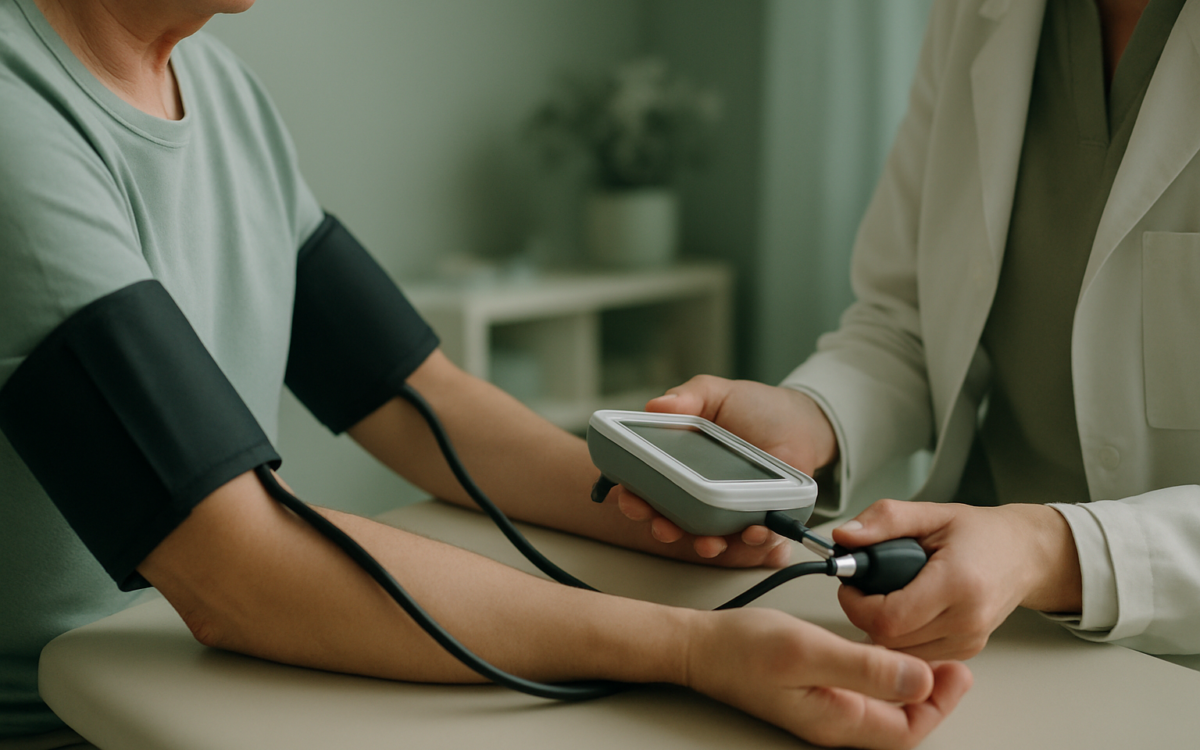
Regular monitoring of blood pressure at home can provide valuable insight into your health and help you and your doctor make informed decisions about your treatment. Home blood pressure monitors are widely available and easy to use. The American Heart Association recommends measuring your blood pressure at various times throughout the day and keeping a record to share with your healthcare provider.
It’s also essential to have regular check-ups with your doctor to ensure that your blood pressure is being effectively managed, especially if you’re diagnosed with hypertension.
Understanding Medications for Hypertension
If lifestyle changes alone are not enough to manage your blood pressure, your healthcare provider may recommend medication. There are several types of antihypertensive drugs, including:
- ACE Inhibitors: Help relax blood vessels by blocking the formation of a hormone that narrows blood vessels.
- Beta Blockers: Lower your heart rate and reduce the workload on your heart.
- Diuretics: Help the body eliminate excess sodium and fluid, reducing blood volume.
It’s essential to discuss with your doctor which medication is best for your specific health needs and to understand how to take it correctly.
When to See a Doctor
It’s important to consult a healthcare provider if you notice symptoms such as:
- Regularly elevated blood pressure readings
- Headaches, dizziness, or vision changes
- Chest pain or shortness of breath
Even if you don’t have symptoms, regular check-ups are essential for early detection and management of high blood pressure.
Conclusion
Understanding the new blood pressure guidelines is crucial for everyone, especially if you are at risk for hypertension. By being proactive about your health, discussing any concerns with your healthcare provider, and implementing lifestyle changes, you can significantly improve your cardiovascular health. Remember, knowledge is power when it comes to managing your heart health!
