
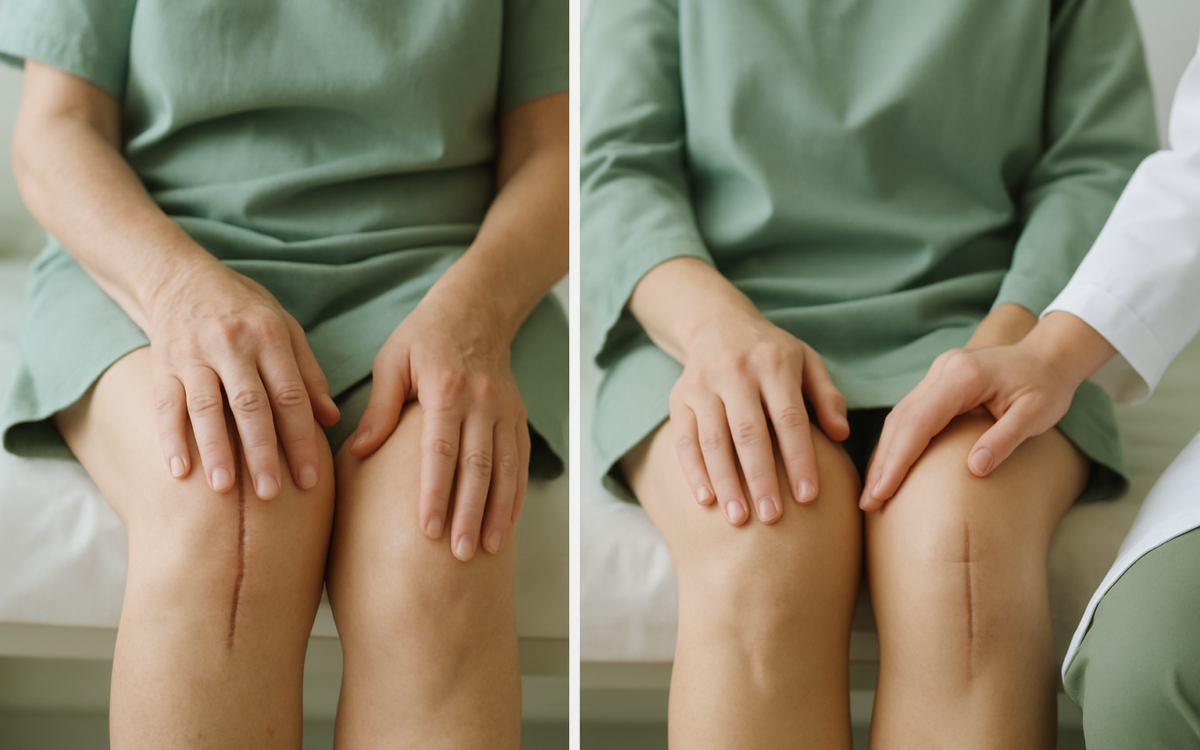
Knee replacement surgery is a common procedure designed to relieve pain and restore function in patients with severe knee damage. Whether due to arthritis, injury, or other conditions, many individuals find themselves contemplating this significant step towards improved mobility. Understanding what to expect before and after the surgery can be vital in ensuring a successful recovery. This article will guide you through the essential aspects surrounding knee replacement.
Before Knee Replacement Surgery
Preparing for knee replacement surgery involves several important steps that can set the stage for a better outcome. Doctors often recommend various pre-surgery evaluations to ensure you are a suitable candidate for the procedure.
Preparing Physically
Prior to the surgery, patients are usually advised to strengthen the muscles around the knee. Engaging in physical therapy sessions can help enhance strength and flexibility, making the post-operative rehabilitation smoother. Exercises might include:
- Quadriceps sets
- Hamstring stretches
- Leg lifts
- Heel slides
Additionally, losing excess weight can help relieve pressure on the joint and improve surgical outcomes.
Understanding the Procedure
Patients should familiarize themselves with the surgery and its implications. Knee replacement involves removing damaged cartilage and bone and replacing them with artificial components. Sharing any uncertainties or concerns about the procedure with your healthcare provider is crucial. Educating yourself about the procedure can help alleviate anxiety.
Post-Surgery Expectations
The immediate aftermath of knee replacement surgery typically involves a hospital stay of one to four days. Patients can expect to experience pain and swelling, which are normal responses to surgery. Effective pain management is essential.
Managing Pain and Swelling
Your doctor may prescribe medication to help manage pain effectively. In some cases, alternatives like ice packs or elevation can provide additional relief. Following recommended pain management practices can significantly improve comfort and readiness for rehabilitation.
Rehabilitation Process
Physical therapy is a critical aspect of knee replacement recovery. Engaging in a rehabilitation program is crucial for regaining strength, flexibility, and mobility. Most patients will begin therapy within a day or two after surgery.
Setting Realistic Goals
During rehabilitation, it is important to set realistic goals. The focus should be on small, achievable milestones rather than immediate full recovery. Goals may include:
- Improving range of motion
- Walking independently
- Getting back to daily activities
Regularly communicating with your physical therapist will help track your progress and adjust your rehabilitation plan as needed.
Returning to Daily Life
Returning to normal activities can be both exciting and daunting. Many patients can resume light activities after a few weeks, but more strenuous activities may take longer—often several months to a year.
Recommendations for Daily Activities
Here are some tips for easing back into daily life:
- Start with short walks and gradually increase distance.
- Avoid high-impact activities that could stress the knee, such as running.
- Consider low-impact exercises like swimming or cycling.
Staying in touch with your healthcare team throughout the process is essential. They can help guide you based on your individual recovery.
Long-term Health After Knee Replacement
Most patients can achieve significant pain relief and improved function following knee replacement surgery. Many experience a high level of satisfaction with their results. However, patients should also consider long-term strategies to maintain joint health.
Healthy Lifestyle Choices
Adopting a healthy lifestyle can promote joint health long after surgery. Consider the following:
- Maintain a healthy weight to reduce stress on the knee joint.
- Engage in regular, low-impact exercise to strengthen the muscles that support the joint.
- Stay active while being mindful of the knee’s limitations.
Consulting with a healthcare provider or a nutritionist can offer personalized advice to suit your needs.
When to See a Doctor
While some discomfort is expected after surgery, certain symptoms may indicate complications. It’s essential to monitor for:
- Intense pain not relieved by medication
- Excessive swelling
- Redness or warmth around the joint
- Fever
If you experience any of these symptoms, it is important to contact your healthcare provider promptly.
Changing your life through knee replacement surgery can be empowering. By preparing adequately and committing to rehabilitation, you can look forward to a renewed sense of movement and reduced pain. The journey may seem daunting at times, but the rewards can be life-changing.
