
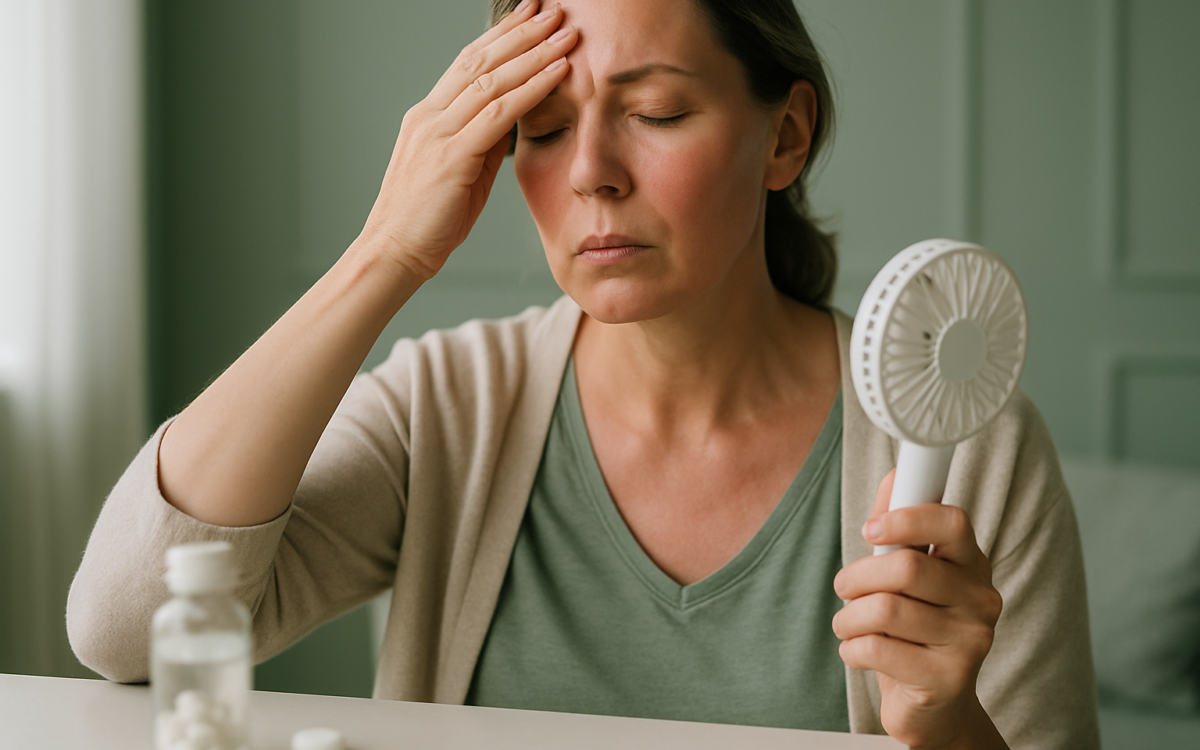
Hot flushes, often associated with menopause, can be uncomfortable and disruptive to daily life. Women experiencing these sudden waves of heat may feel intensified feelings of frustration, anxiety, or embarrassment. Thankfully, various strategies exist to manage and reduce the frequency of hot flushes. This article explores simple yet effective ways to help you combat this common symptom.
Understanding Hot Flushes
Hot flushes, also known as hot flashes, are sudden feelings of warmth that spread over the body, often accompanied by sweating and rapid heartbeat. These episodes can last from a few seconds to several minutes and can occur at any time, day or night. Understanding what triggers these flushes can be the first step in managing them.
Identify Your Triggers
Keeping a diary can help identify when hot flushes occur and what might be causing them. Common triggers include:
- Spicy foods
- Hot beverages
- Alcohol
- Caffeine
- Stress and anxiety
- Warm environments
Once you pinpoint your triggers, you can start to make changes to your diet or environment to minimize their impact.
Cooling Techniques
Simple cooling techniques can provide immediate relief during a hot flush. Here are some to consider:
- Dress in layers: Wearing layers allows you to adjust your clothing according to your body temperature.
- Use fans: Having a personal fan or sitting in front of an air conditioner can help cool you down rapidly.
- Practice deep breathing: During a hot flush, deep breathing exercises can help calm your body and may alleviate the intensity of the flush.
- Stay hydrated: Drinking cool water can help regulate your body temperature.
Incorporating these techniques into your daily routine can provide instant relief when a flush hits.
Lifestyle Adjustments
Making certain lifestyle changes can help reduce the frequency and intensity of hot flushes:
- Regular exercise: Engaging in physical activity can help regulate hormones and improve overall wellness. Aim for at least 30 minutes of moderate exercise most days of the week.
- Healthy diet: Incorporate a balanced diet rich in fruits, vegetables, whole grains, and lean proteins. Some studies suggest that foods containing phytoestrogens, like soy, might help reduce hot flushes.
- Limit alcohol and caffeine: Reducing your intake of these substances may help lessen the occurrence of flushes.
- Manage stress: Practice relaxation techniques, such as yoga, meditation, or mindfulness. Techniques like these can help lower stress levels, which might trigger hot flushes.
Implementing these lifestyle adjustments can not only reduce the occurrence of hot flushes but also enhance your overall well-being.
Natural Remedies
Many women explore natural remedies to combat hot flushes. Some alternatives include:
- Black cohosh: This herbal supplement is commonly used to alleviate menopausal symptoms, including hot flushes. Research is mixed, so consult your doctor before starting any supplements.
- Flaxseeds: Flaxseeds contain lignans, which may help balance hormones. Ground flaxseeds can easily be added to smoothies or salads.
- Vitamin E: Some studies suggest that vitamin E supplements may reduce the frequency of hot flushes. Talk to your healthcare provider about the appropriate dosage.
While these remedies may be helpful, it’s essential to discuss them with your doctor to ensure they are safe for you.
Medical Treatments
If lifestyle changes and natural remedies do not provide sufficient relief, you may want to discuss medical options with your healthcare provider. Some treatment options include:
- Hormone therapy: Estrogen therapy can be effective in reducing hot flushes. However, it comes with potential risks and side effects, so it’s vital to evaluate these with your doctor.
- Non-hormonal medications: Certain antidepressants and other medications have been shown to help manage hot flushes for some women.
Before starting any medical treatment, it’s crucial to have an open discussion with your doctor about the benefits and risks involved.
When to See a Doctor
If hot flushes are severe, causing significant discomfort, or impacting your daily life, it may be time to consult a doctor. Additionally, if you experience unusual symptoms, such as sudden weight loss, bleeding, or prolonged fatigue, seek medical advice. Knowing when to seek professional help is vital for your health.
Understanding how to combat hot flushes involves a combination of identifying triggers, adopting cooling techniques, making lifestyle adjustments, and considering medical options. Each woman is unique, so exploring what works best for you is important. Keep in mind that managing hot flushes might take time and patience, but with the right approach, you can find relief and enhance your quality of life.
