
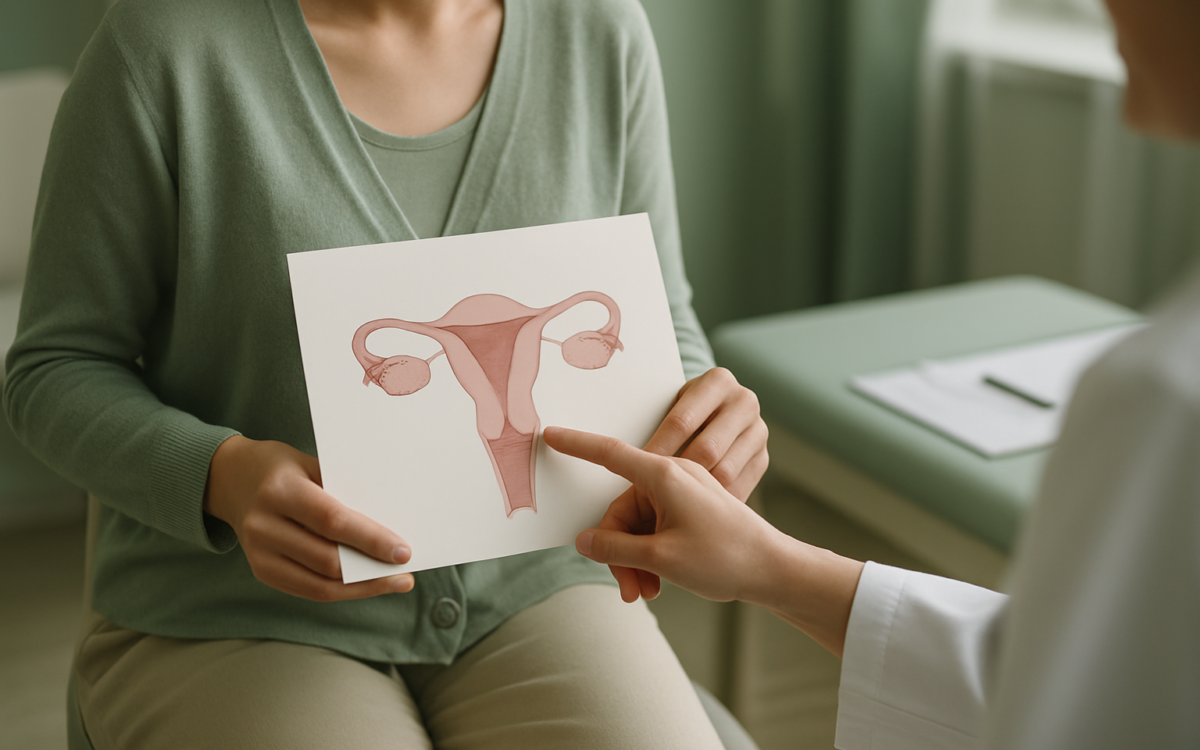
Polycystic Ovarian Disease (PCOD) is a common health condition that affects many women of reproductive age. Despite its prevalence, many women are unaware of what PCOD is and how it can impact their health. In this article, we will explore what PCOD is, its symptoms, causes, diagnosis, and management strategies, providing insights into how those affected can lead healthier lives.
What is PCOD?
PCOD, or Polycystic Ovarian Disease, is a hormonal disorder characterized by the presence of multiple cysts in the ovaries. It often leads to irregular menstrual cycles, difficulty in getting pregnant, and other health issues such as weight gain and excessive hair growth. According to the National Institutes of Health, PCOD is one of the leading causes of infertility in women.
Symptoms of PCOD
The symptoms of PCOD can vary widely from person to person. Some common symptoms include:
- Irregular menstrual cycles
- Excessive hair growth on the face and body
- Acne and oily skin
- Weight gain or difficulty losing weight
- Thinning hair on the scalp
Many women may experience only a few of these symptoms, which can make diagnosis challenging. It’s essential to pay attention to your body and consult a healthcare provider if you notice any changes.
Causes of PCOD
The exact cause of PCOD is not fully understood. However, several factors may contribute to its development, including:
- Insulin Resistance: Many women with PCOD have insulin resistance, meaning their bodies are less responsive to insulin. This can lead to higher insulin levels, which may increase androgen production (male hormones) and contribute to symptoms like weight gain and irregular periods.
- Genetics: Family history can play a significant role in the likelihood of developing PCOD. If your mother or sister has it, your risk may be higher.
- Increased Androgen Levels: Women with PCOD often have elevated levels of male hormones, which can interfere with the regular ovulation process.
As research continues, organizations like the World Health Organization are exploring further causes and risk factors associated with PCOD.
Diagnosis of PCOD
Diagnosing PCOD typically involves a combination of a medical history review, a physical examination, and diagnostic tests. These may include:
- Blood Tests: This can help measure hormone levels, including androgens and insulin, and check for other underlying conditions.
- Ultrasound: A transvaginal ultrasound can visualize the ovaries and check for the presence of cysts.
- Physical Examination: A healthcare provider may assess signs like excess hair growth, acne, or weight gain.
It’s essential to work with a healthcare professional to receive an accurate diagnosis, as many symptoms of PCOD may overlap with other health issues.
Management and Treatment of PCOD
While there is no cure for PCOD, several management strategies can help women lead symptom-free or symptom-managed lives:
- Lifestyle Changes: Adopting a healthy diet and regular exercise can improve insulin sensitivity, help manage weight, and regulate menstrual cycles. A balanced diet rich in fruits, vegetables, whole grains, and lean proteins can be beneficial.
- Medications: Depending on symptoms, healthcare providers may prescribe medications like contraceptive pills to regulate hormones or metformin to improve insulin sensitivity.
- Fertility Treatments: For women trying to conceive, treatments such as ovulation-inducing medications may be recommended. Techniques like in vitro fertilization (IVF) are also options for those facing infertility.
Ultimately, the best management plan will be tailored to individual needs, and working closely with a healthcare provider is key.
When to See a Doctor
If you are experiencing symptoms of PCOD, such as irregular periods, weight gain, or excessive hair growth, it’s important to consult a healthcare provider. Early diagnosis and intervention can significantly improve quality of life and reduce the risk of complications in the future.
Conclusion
PCOD is a complex but manageable condition that affects many women. By understanding what PCOD is, its symptoms, causes, and treatment options, women can take proactive steps towards better health. Always consult with a healthcare provider to develop the best management plan that works for you.
