
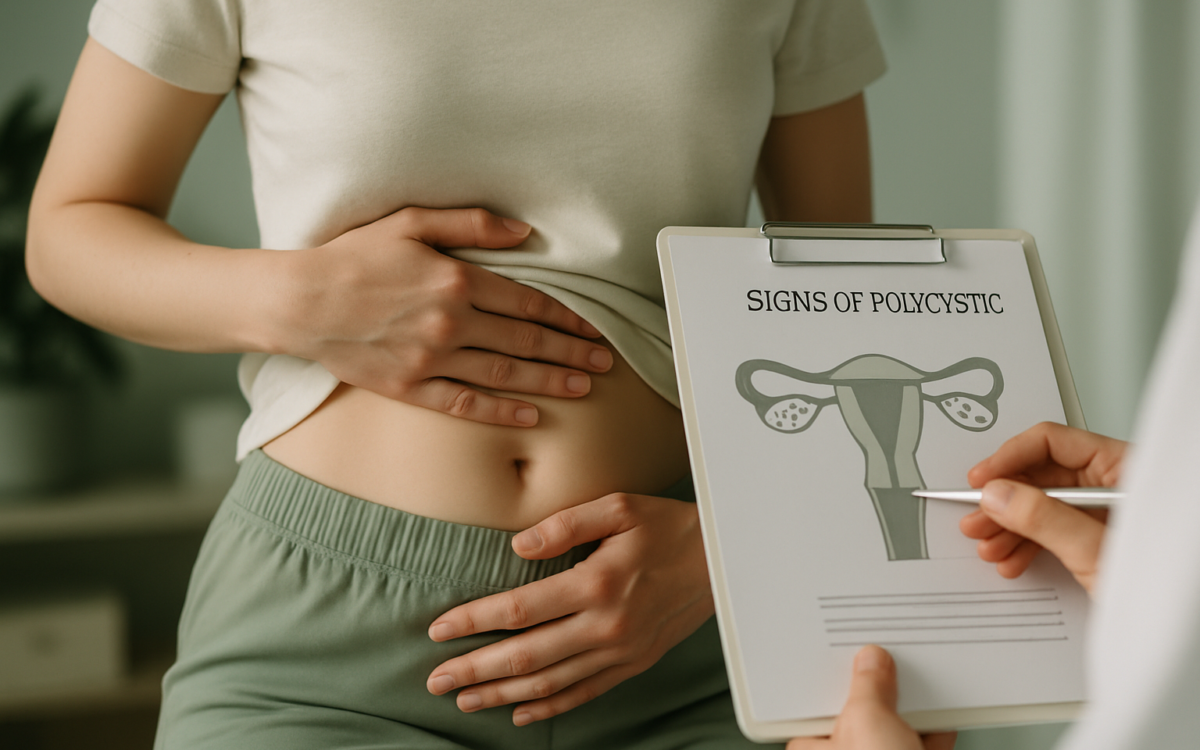
Polycystic Ovary Syndrome (PCOS) is a hormonal disorder that affects many women of reproductive age. It can lead to various health issues, including infertility and metabolic problems. Recognizing the signs of PCOS is crucial for early diagnosis and treatment. This article aims to shed light on the most common signs of this condition.
Menstrual Irregularities
One of the most common signs of PCOS is irregular menstrual cycles. Women may experience fewer than eight periods a year or have periods that last longer than usual. Some may even miss their periods entirely. These irregularities occur due to hormonal imbalances affecting the ovaries. Tracking changes in your menstrual cycle can help you spot this sign early.
Weight Gain and Difficulty Losing Weight
Many women with PCOS may notice unexplained weight gain, particularly around the abdomen. This increase in weight can be linked to insulin resistance, where the body doesn’t respond effectively to insulin, leading to higher insulin levels and increased fat storage. Some women may find it particularly challenging to lose weight, even with diet and exercise. Maintaining a healthy lifestyle is essential, but if you’re struggling, it may be worth discussing your symptoms with a healthcare professional.
Excess Hair Growth
Excessive hair growth, known as hirsutism, is another common sign of PCOS. This condition causes women to grow dark, coarse hair in areas typically associated with male-pattern hair growth, such as the face, chest, and back. This happens due to elevated levels of androgens, which are male hormones present in women in lower levels. Coping with hirsutism can be emotionally challenging, and there are several effective treatments available.
Acne and Oily Skin
Women with PCOS often struggle with persistent acne and oily skin, particularly in the T-zone area of the face. These skin issues are again linked to hormonal imbalances that affect the body’s oil production. If you notice these skin problems persisting despite regular skin care routines, it might be time to assess your hormonal health.
Thinning Hair and Scalp Issues
Thinning hair or male-pattern baldness is another sign that can indicate PCOS. Women might experience a decrease in the thickness of their hair or develop bald spots, particularly on the crown of the head. This condition arises from hormonal changes and can be distressing. Consultation with a dermatologist or an endocrinologist can help address both the hair loss and its underlying causes.
Infertility and Difficulty Getting Pregnant
Infertility is one of the more severe consequences of PCOS. Many women discover they have PCOS after struggling to conceive. The hormonal and ovulatory dysfunctions associated with PCOS can interfere with the reproductive process. If you are experiencing challenges in becoming pregnant, it’s important to discuss testing options and potential treatment in Turkey with your healthcare provider.
Emotional Impact and Mental Health
The emotional impact of PCOS can be significant. Many women experience anxiety and depression, largely due to the physical symptoms of PCOS and societal pressures surrounding body image and fertility. Having a reliable support system and access to mental health resources can make a difference in how one copes with the emotional toll of this syndrome.
When to See a Doctor
If you notice any of the signs mentioned above, it is essential to consult a healthcare provider. Early diagnosis and intervention can help manage symptoms and reduce the risk of long-term complications like diabetes, heart disease, and endometrial cancer. Getting a thorough evaluation from a doctor can lead to effective management plans tailored to your needs.
Understanding the signs of polycystic ovary syndrome can empower women to seek timely help. If you think you may be experiencing symptoms of PCOS, don’t hesitate to reach out to a healthcare professional for advice and support.
