
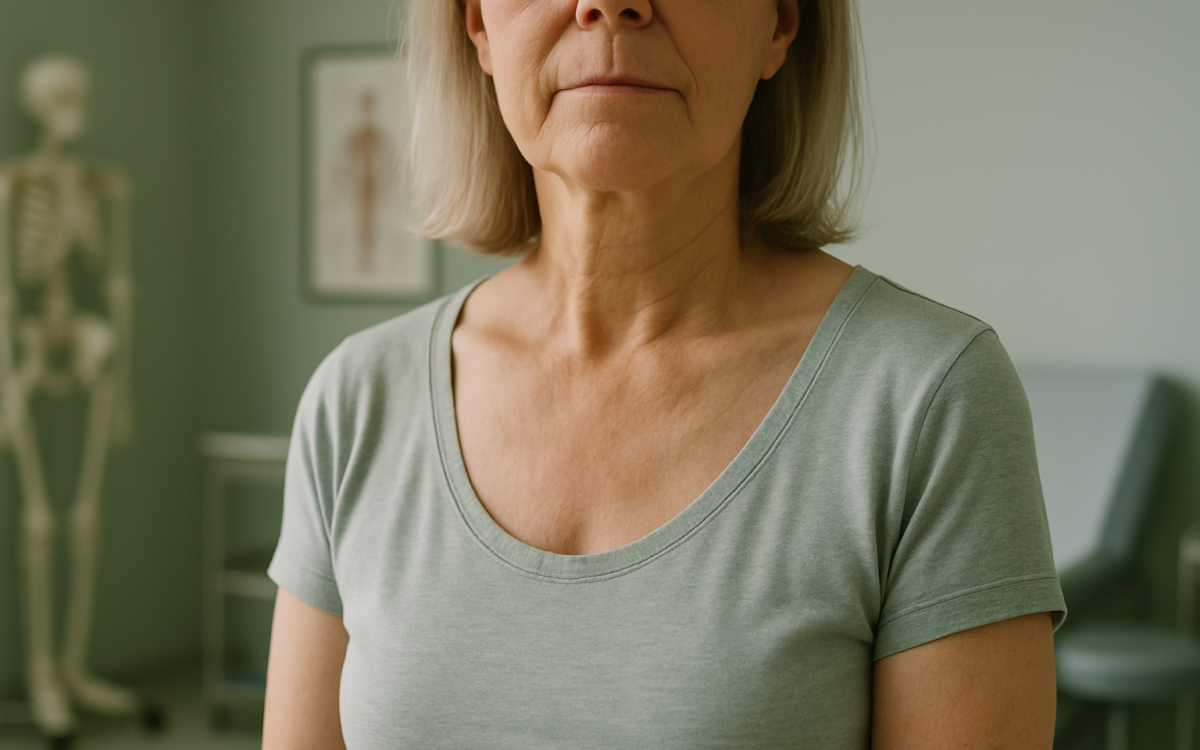
As women reach a certain stage in life, often during their late 40s to early 50s, they experience menopause, which marks the end of menstrual cycles. However, what follows menopause is just as important and is called postmenopause. Understanding this phase can help women manage their health better and prepare for the changes that come with it.
What is Postmenopause?
Postmenopause is defined as the time in a woman’s life after she has experienced twelve consecutive months without a menstrual period. This phase typically begins around the average age of 51 but can vary from woman to woman. Hormonal changes continue to occur during this time, resulting in new health considerations and experiences.
Physical Changes
During postmenopause, women may experience various physical changes due to the decrease in estrogen levels. Some of the most common changes include:
- Hot Flashes: These sudden feelings of warmth can continue into postmenopause, affecting sleep and daily activities.
- Vaginal Dryness: Reduced estrogen can lead to vaginal dryness, which might make intimacy uncomfortable. Many women find relief with moisturizers or lubricants.
- Weight Changes: Metabolic slowdowns can lead to weight gain, especially around the abdomen.
- Bone Density Loss: Reduced estrogen levels can lead to lower bone density, making osteoporosis a concern for many women during this stage.
Emotional and Psychological Effects
The transition into postmenopause can bring emotional changes. Women may experience:
- Mood Swings: Fluctuating hormone levels can lead to changes in mood and emotional well-being.
- Anxiety and Depression: Women may be at a higher risk for anxiety and depression during this phase of life. Recognizing these feelings and reaching out for support is crucial.
- Changes in Libido: Some women report changes in sexual desire, which can be influenced by hormonal shifts, physical discomfort, and emotional adjustments.
Health Implications After Menopause
Postmenopause also comes with important health considerations that women should be aware of:
- Increased Risk of Heart Disease: The risk of cardiovascular issues can rise after menopause, making heart health a priority for women who are postmenopausal. Connecting with healthcare providers to monitor cardiovascular health is vital.
- Regular Screenings: Women are encouraged to stay on schedule with routine health screenings such as mammograms and bone density tests.
- Managing Menopausal Symptoms: Many treatments, ranging from lifestyle changes to medications, are available to help women manage postmenopausal symptoms. Maintaining an open dialogue with healthcare professionals can lead to effective strategies tailored to individual needs.
Lifestyle Adjustments for Wellness
Making lifestyle changes can significantly improve health during postmenopause. Here are some recommendations:
- Maintain a Healthy Diet: Eating a balanced diet rich in fruits, vegetables, whole grains, and lean proteins can help manage weight and improve overall health.
- Regular Exercise: Engaging in regular physical activity can support bone health, manage weight, and improve mood. Activities like walking, swimming, or yoga are excellent choices.
- Stay Hydrated: Drinking enough water can help alleviate some symptoms associated with postmenopause, such as dryness.
- Mindfulness and Relaxation: Practices such as meditation, mindfulness, and breathing exercises can reduce stress and enhance emotional well-being.
Seeking Support
Postmenopause can be a challenging time for some women, but they do not have to navigate it alone. It is essential to connect with friends, family, or support groups. Sharing experiences can foster a sense of community and provide valuable insights into managing this phase of life.
When to See a Doctor
If you experience severe symptoms impacting your quality of life or have health concerns, it’s crucial to consult a healthcare professional. Signs that you should seek medical advice include:
- Severe hot flashes interfering with daily activities
- Persistent emotional distress or mood swings
- Unexpected weight gain or other significant health changes
- Any unusual vaginal bleeding
Conclusion
Postmenopause is a significant phase in a woman’s life, bringing about various physical and emotional changes. By understanding these changes and making informed lifestyle choices, women can navigate this period with resilience. Remember, reaching out for support and consulting healthcare providers can create a more manageable transition into this new stage of life. For more information on women’s health and menopause, consider visiting reputable resources like the Mayo Clinic or the NIH.
