
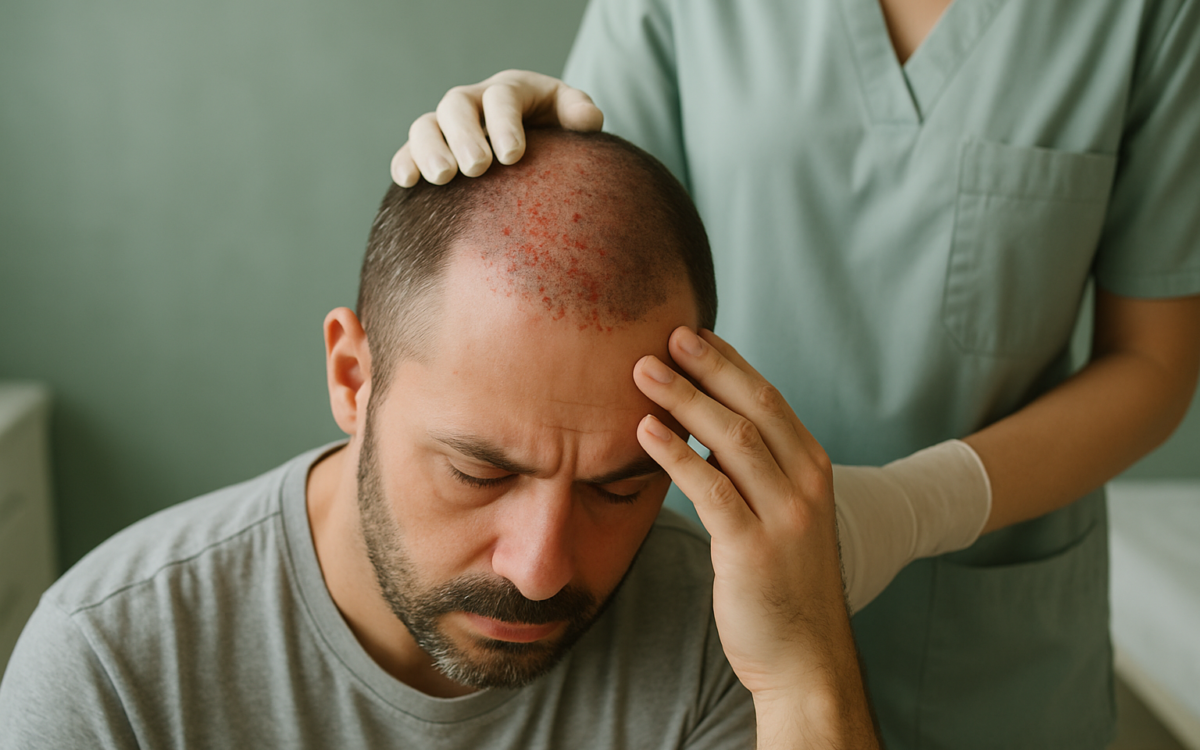
Hair transplant surgery has become a popular solution for those struggling with hair loss or thinning hair. While many patients experience satisfying and permanent results, it’s essential to be informed about the potential side effects that may occur after the procedure. Understanding these effects can help you prepare for recovery and know when to seek medical assistance.
Common Side Effects
As with any surgical procedure, hair transplant surgery comes with its share of common side effects. These can include:
- Pain and Discomfort: After surgery, it’s normal to experience some level of pain or discomfort around the treated area. This may last for a few days and can often be managed with over-the-counter pain medication.
- Swelling: Swelling in the forehead and scalp is common post-surgery. It usually resolves within a week but can be particularly noticeable in the first few days.
- Redness and Irritation: The area where the grafts were placed may appear red or irritated. This should gradually improve as your scalp heals.
- Itching: As the scalp heals, some patients experience itching. It is crucial not to scratch the area, as this can disrupt the healing process.
Severe Side Effects
While rare, some individuals may face more severe side effects. It’s essential to be aware of these to differentiate between typical recovery symptoms and those that require medical attention:
- Infection: As with any surgical procedure, there is a risk of infection. Signs of infection may include increased redness, swelling, and discharge from the surgical area. If you experience any of these symptoms, contact your healthcare provider.
- Scarring: Some patients may develop scarring where the grafts were removed. Although skilled surgeons aim to minimize this risk, it can still occur.
- Mismatched Hair Growth: Sometimes, newly transplanted hair may not grow as expected. Changes in hair texture or color can also happen, leading to uneven results.
Impact on Mental Health
For many, the decision to undergo a hair transplant is driven by the desire for improved self-esteem and confidence. However, it’s important to recognize the psychological effects that might emerge during recovery:
- Emotional Fluctuations: The stress of undergoing surgery and the anticipation of results can lead to emotional ups and downs. Feeling anxious about how others will perceive the changes is common.
- Adjustment Period: As your hair begins to grow back, the transformation can bring mixed feelings. Some may feel joy, while others may experience frustration if results don’t meet their expectations.
Post-Surgery Care
Proper care after a hair transplant is vital to promote healing and reduce side effects. Here are some suggestions for post-surgery care:
- Follow Instructions: Pay close attention to the aftercare instructions provided by your surgeon. This may include how to wash your hair and when to avoid physical activities.
- Avoid Sun Exposure: Protect your scalp from direct sunlight. Wearing a hat or using sunscreen on non-treated areas can help.
- Stay Hydrated: Hydration supports overall healing, so drink plenty of fluids and eat a balanced diet.
When to See a Doctor
Knowing when to seek medical attention is essential for a smooth recovery. You should contact your healthcare provider if you experience:
- Fever higher than 101°F (38.3°C)
- Severe or worsening pain that isn’t relieved by medication
- Persistent swelling, redness, or pus around the surgical site
- Hair loss that seems significant or unusual after the initial growth phase
Final Thoughts
Hair transplant surgery can significantly improve self-image and confidence, offering a solution for those dealing with hair loss. However, it’s crucial to be aware of the potential side effects—both common and severe. By following proper post-surgery care and being vigilant for concerning symptoms, you can make your recovery as comfortable as possible. For more information, consult with a trusted healthcare provider and ensure that you have a clear understanding of the procedure, what to expect, and how to look after yourself afterward. Always remember that your peace of mind and health are the top priorities.
