
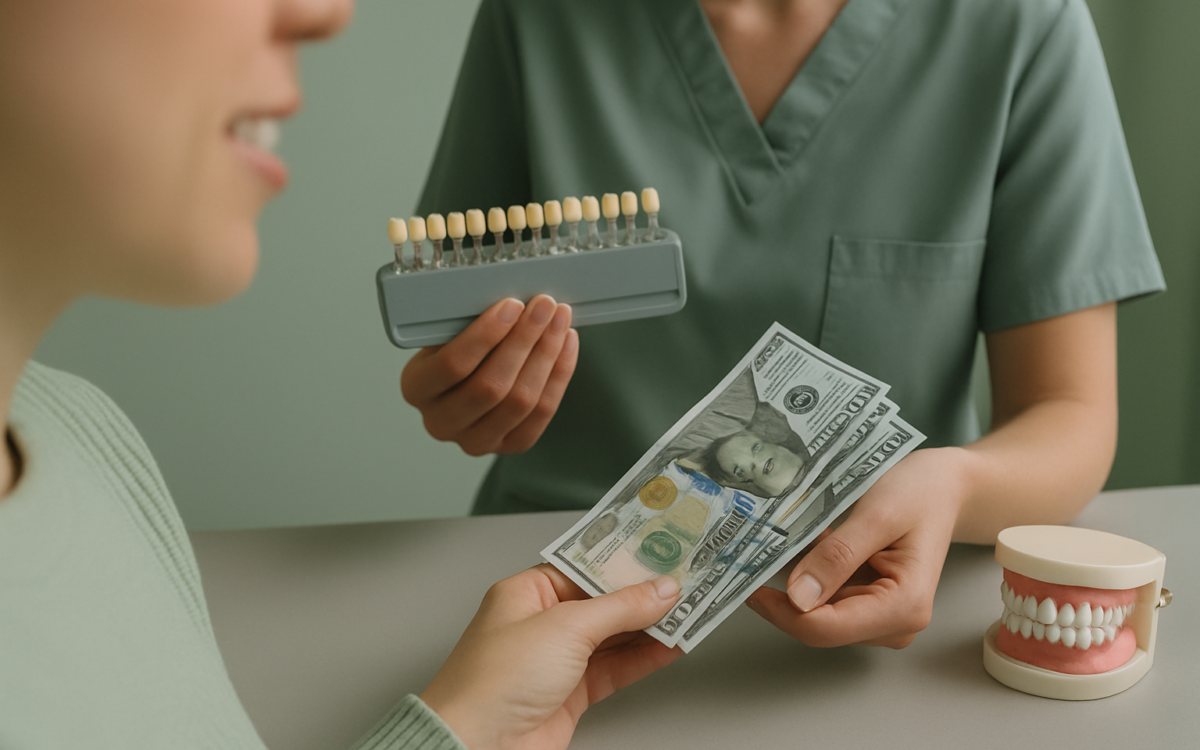
Are you considering a brighter smile? Dental bleaching, a popular option for teeth whitening, can enhance your appearance and boost your confidence. However, before diving in, it’s essential to understand the costs involved and what factors influence them. In this article, we will unpack the different types of dental bleaching, their associated costs, and what you can generally expect from the process.
Types of Dental Bleaching
Dental bleaching typically falls into two main categories: in-office treatments and at-home products. Each comes with its unique pricing and level of effectiveness.
In-Office Teeth Whitening
In-office teeth whitening is performed by a dental professional and yields immediate results. This method involves using a higher concentration of whitening agents, often combined with special lights or lasers to enhance the effect.
- Cost: In-office whitening typically ranges from $500 to $1,000 per session, depending on the provider’s expertise, location, and the specific products used.
- Duration: The procedure usually takes about 1 to 2 hours.
- Efficacy: Many patients experience significant whitening, often by several shades, in just one visit.
At-Home Teeth Whitening
At-home whitening kits can vary widely in cost and effectiveness. These come in various forms, such as whitening strips, gels, and custom trays made from impressions of your teeth.
- Cost: At-home kits usually cost between $20 to $300, with over-the-counter options being more budget-friendly.
- Duration: Treatment duration can vary, often requiring daily use over several weeks to see optimal results.
- Efficacy: While less powerful than in-office treatments, many patients find them effective when used consistently.
Factors Influencing Dental Bleaching Costs
The cost of dental bleaching isn’t just a straightforward price tag; several factors can influence how much you end up paying.
- Provider’s Expertise: Dentists with advanced training or years of experience may charge more for their services.
- Location: Geographic location can significantly impact costs; urban areas often have higher prices than rural locations.
- Type of Treatment: The method you choose (in-office vs. at-home) plays a vital role in determining your overall cost.
- Material Quality: Higher quality whitening agents may result in higher expenses but can yield better and longer-lasting results.
Potential Additional Costs
When budgeting for dental bleaching, it’s important to consider potential additional costs that may arise.
- Consultation Fees: Some dentists charge a consultation fee, especially if you require a thorough dental examination beforehand.
- Follow-Up Treatments: To maintain your stunning smile, you may need touch-up treatments or additional products, which can add to your costs.
- Maintenance Products: Some kits come with maintenance products that you may need to purchase separately to prolong results.
Benefits of Dental Bleaching
Dental bleaching is not just about enhancing aesthetics; it can have several benefits for your overall well-being.
- Boosts Self-Esteem: A whiter smile can lead to increased confidence and greater social interactions.
- Improved Appearance: Stains and discoloration can be effectively addressed, making your smile brighter and more youthful.
- Quick Results: Especially with in-office treatments, you can achieve noticeable results in just one visit.
Risks and Considerations
While dental bleaching is generally safe, it’s essential to be aware of potential risks and considerations.
- Tooth Sensitivity: Some individuals may experience temporary sensitivity during or after the bleaching process.
- Gum Irritation: If bleaching agents come into contact with the gums, it may cause irritation or discomfort.
- Not for Everyone: Dental bleaching is not recommended for everyone, especially those with certain dental conditions. Always consult your dentist.
When to See a Doctor
If you experience significant tooth sensitivity, gum issues, or other unusual symptoms following dental bleaching, consult your dentist. They can provide tailored advice and treatment options to ensure your oral health remains intact.
Conclusion
Understanding the costs and factors involved in dental bleaching can help you make informed decisions about your dental care. Whether you opt for in-office treatments or at-home options, a whiter smile can have positive effects on both your appearance and self-esteem. Always engage in healthy discussions with your dentist to determine the best approach for your needs.
For more information about dental care and treatment options, you can visit reputable sources like the Mayo Clinic or the National Institutes of Health.
