
Cataracts are one of the most common conditions affecting the eyes, particularly among older adults. This condition occurs when the lens of the eye becomes cloudy, leading to a gradual loss of vision. Understanding cataracts is vital for maintaining eye health and preventing significant vision impairment.
What Are Cataracts?
A cataract is a clouding of the eye’s natural lens. The lens, which is located behind the iris and the pupil, helps focus light onto the retina, allowing us to see clearly. When cataracts develop, the lens becomes cloudy, causing blurred vision and making daily tasks more difficult.
Causes of Cataracts
The primary cause of cataracts is aging. As we age, the proteins in the lens can clump together, forming cloudy areas. Several factors can contribute to the development of cataracts, including:
- Genetics: A family history of cataracts can increase your risk.
- Diabetes: Individuals with diabetes are at a higher risk for developing cataracts.
- Exposure to UV radiation: Prolonged exposure to sunlight without proper eye protection may increase the risk.
- Certain medications: Long-term use of steroids can contribute to cataract formation.
- Tobacco and alcohol use: Lifestyle choices can also affect the risk of developing cataracts.
Symptoms of Cataracts
In the early stages, cataracts may not cause noticeable symptoms. However, as they progress, you may experience:
- Blurry or cloudy vision
- Difficulty seeing at night
- Increased sensitivity to glare
- Fading or yellowing of colors
- Frequent changes in prescription glasses or contact lenses
If you notice any of these symptoms, it’s important to consult with an eye care professional. They can help determine if you have cataracts and the best course of action.
Diagnosis of Cataracts
Diagnosing cataracts typically involves a comprehensive eye exam. An eye care professional will check your vision acuity and look for signs of clouding in the lens. Some common tests include:
- Visual acuity test: Measures how well you can see at various distances.
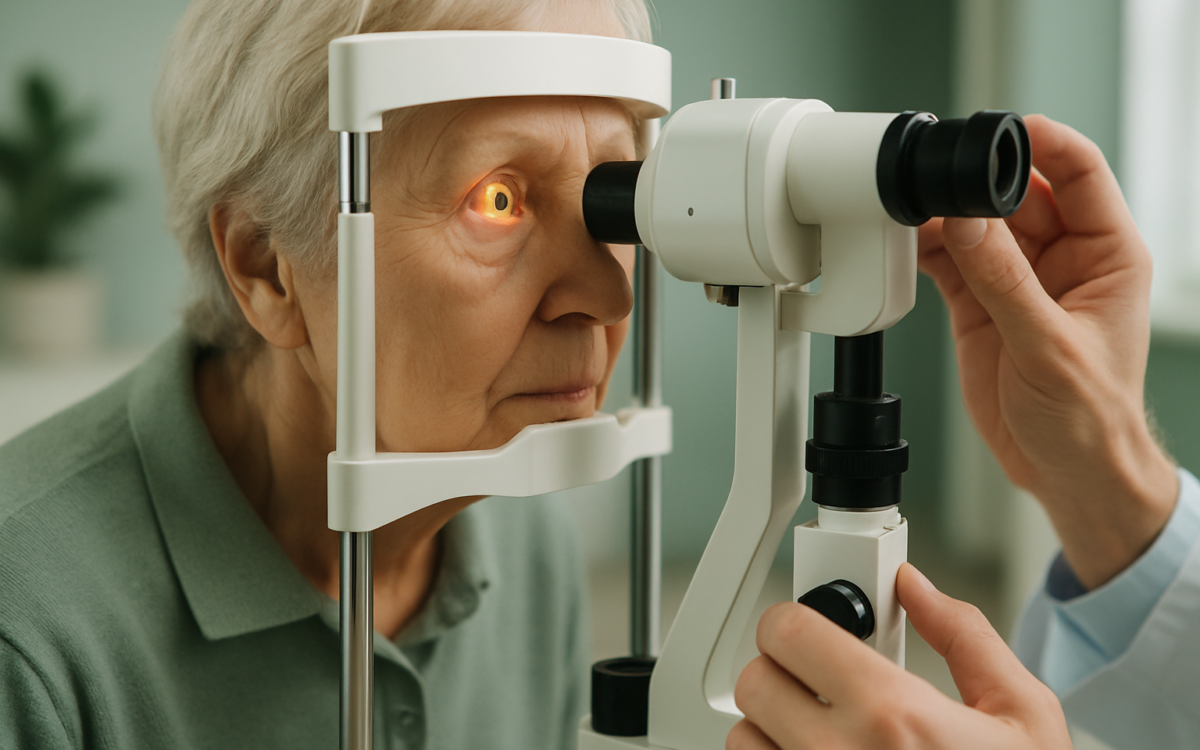
- Slit-lamp examination: Allows the doctor to see the structure of your eye more closely.
- Pupil dilation: Drops are used to dilate your pupils, allowing for a better view of the lens and retina.
These tests help the eye care professional assess the extent of the cataracts and recommend appropriate treatment options.
Treatment Options for Cataracts
The treatment of cataracts depends on their severity and the impact on your vision. In the early stages, your doctor may suggest simply monitoring your symptoms and using brighter lighting or glasses to help you see better.
However, if the cataracts progress and interfere significantly with daily activities, surgery may become necessary. Cataract surgery is a common and generally safe procedure that involves:
- Removing the cloudy lens: The surgeon will remove the clouded lens from your eye.
- Replacing with an artificial lens: An intraocular lens (IOL) is then implanted to restore clear vision.
Most cataract surgeries are outpatient procedures, allowing patients to return home the same day. Recovery generally involves a short period of rest, followed by the use of prescribed eye drops to aid healing.
Managing Cataract Surgery Outcomes
Following cataract surgery, many individuals experience a significant improvement in their vision. However, some may still require glasses, particularly for reading or close-up tasks. Regular follow-up appointments with your eye care professional are essential to monitor your recovery and ensure the best possible outcomes.
In addition to surgical options, there are lifestyle changes that can help manage eye health and potentially delay the progression of cataracts:
- Wear sunglasses to protect your eyes from UV rays.
- Maintain a healthy diet rich in vitamins C and E, leafy greens, and omega-3 fatty acids.
- Quit smoking and limit alcohol consumption.
When to See a Doctor
If you notice any changes in your vision, such as blurred vision, increased sensitivity to glare, or difficulty seeing at night, it’s important to schedule an eye exam. Early detection can help ensure any vision issues are addressed promptly, especially if cataracts are suspected.
Conclusion
Cataracts are a common condition that can significantly affect vision, particularly as we age. Understanding what cataracts are and recognizing the symptoms can empower you to seek timely medical attention. Through regular check-ups and, if necessary, cataract surgery, you can continue to enjoy a clear vision of the world around you. For more information, consider visiting reputable resources such as the NIH or the Mayo Clinic.
