
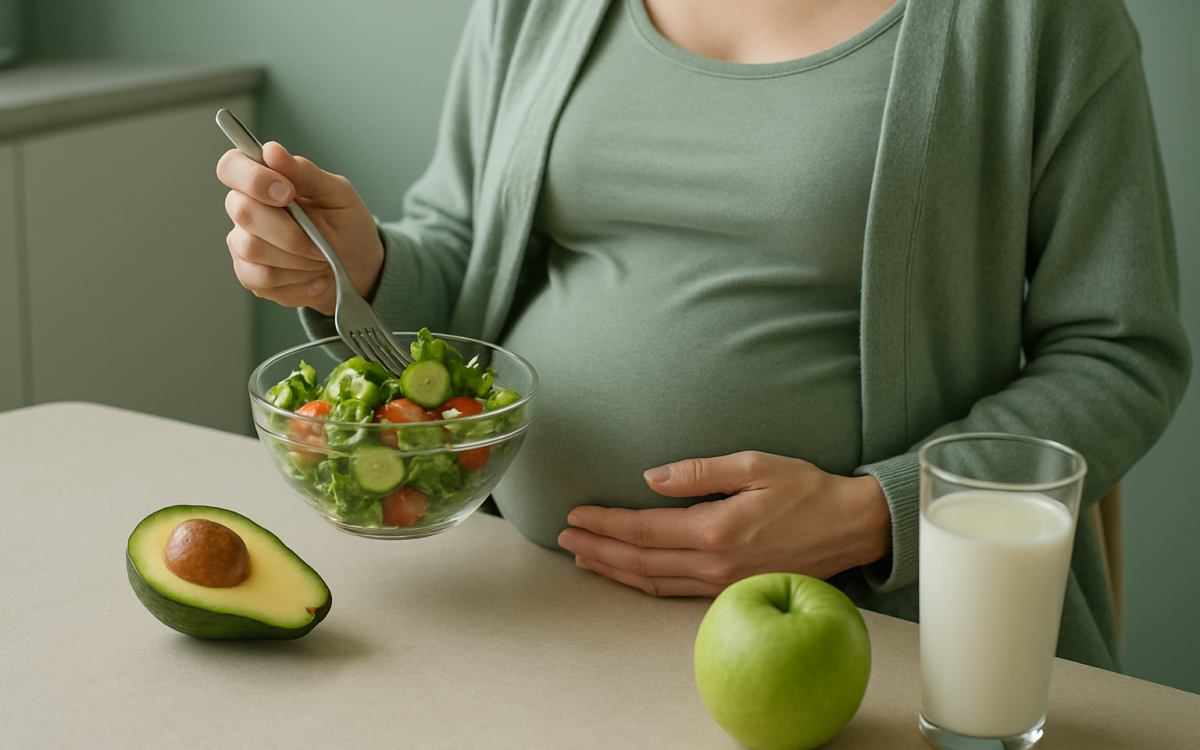
Pregnancy is a beautiful journey, but it also requires a careful balance of nutrition to support the health of both mother and baby. What you eat during this time plays a critical role in the development of your child and the well-being of your body. Focusing on a diverse and balanced diet can help ensure you get the essential nutrients needed for a healthy pregnancy.
Understanding Nutritional Needs
Nutrients are the foundation of a healthy pregnancy. It’s vital to understand what your body needs during this time. The major nutrients include:
- Protein: Essential for the growth of fetal tissues, especially the brain. Aim forapproximately 70 grams per day.
- Folic Acid: Crucial for preventing neural tube defects. Pregnant women should aim for 600 mcg daily.
- Iron: Necessary to support increased blood volume and avoid anemia. Pregnant women need about 27 mg daily.
- Calcium: Important for building the baby’s bones and teeth. Aim for 1,000 mg per day.
- Vitamin D: Supports calcium absorption and immune function. Aiming for 600 IU daily is recommended.
Creating a Balanced Diet
Your diet should include a variety of foods to meet your nutritional needs. Here are some tips for building a well-rounded pregnancy diet:
- Fruits and Vegetables: Choose a rainbow of colors to get different vitamins and minerals.
- Whole Grains: Opt for brown rice, whole wheat bread, and oatmeal for fiber and energy.
- Lean Proteins: Include sources such as poultry, fish, beans, and legumes to meet your protein needs.
- Dairy Products: Incorporate low-fat milk, cheese, and yogurt for calcium and vitamin D.
Hydration Matters
Staying hydrated is equally important during pregnancy. Water helps transport nutrients to your baby and can alleviate common discomforts such as constipation and swelling. Aim for at least 8-10 cups of fluids per day, and increase this if you’re active or in a hot climate. Remember, while coffee can be enjoyed in moderation, it should be limited due to its caffeine content, which can influence fetal heart rate.
Special Considerations: Eggs and Fish
Certain foods can be particularly beneficial during pregnancy. Eggs provide high-quality protein and essential fats, plus they are rich in choline, which is important for brain development. Fish is a fantastic source of omega-3 fatty acids, vital for fetal brain development. However, it’s essential to choose fish that are low in mercury, such as salmon and sardines, and limit consumption of high-mercury fish like shark and swordfish.
International Treatment and Nutrition Perspectives
If you are considering treatment in Turkey or other international options during pregnancy, it’s essential to consult healthcare professionals who can guide you through dietary practices specific to the region, as cultural differences can influence food choices and nutritional advice.
Using Prenatal Supplements
Even with a balanced diet, it can be challenging to get all the necessary nutrients. Prenatal vitamins, which usually contain folic acid, iron, calcium, and DHA (an omega-3 fatty acid), can help fill in nutritional gaps. Always consult your healthcare provider before starting any supplements to ensure they are safe and appropriate for your individual needs.
When to See a Doctor
It’s essential to maintain regular check-ups with your healthcare provider during pregnancy. If you’re experiencing severe nausea, significant weight loss, or any unusual symptoms, don’t hesitate to reach out to your doctor. They can help assess if your diet is meeting your needs and make recommendations tailored to your situation.
Being mindful of what you eat during pregnancy can pave the way for a healthy pregnancy and baby. By following nutritional guidelines, staying hydrated, and consulting with professionals, you’ll be well on your way to nurturing both yourself and your little one.
