
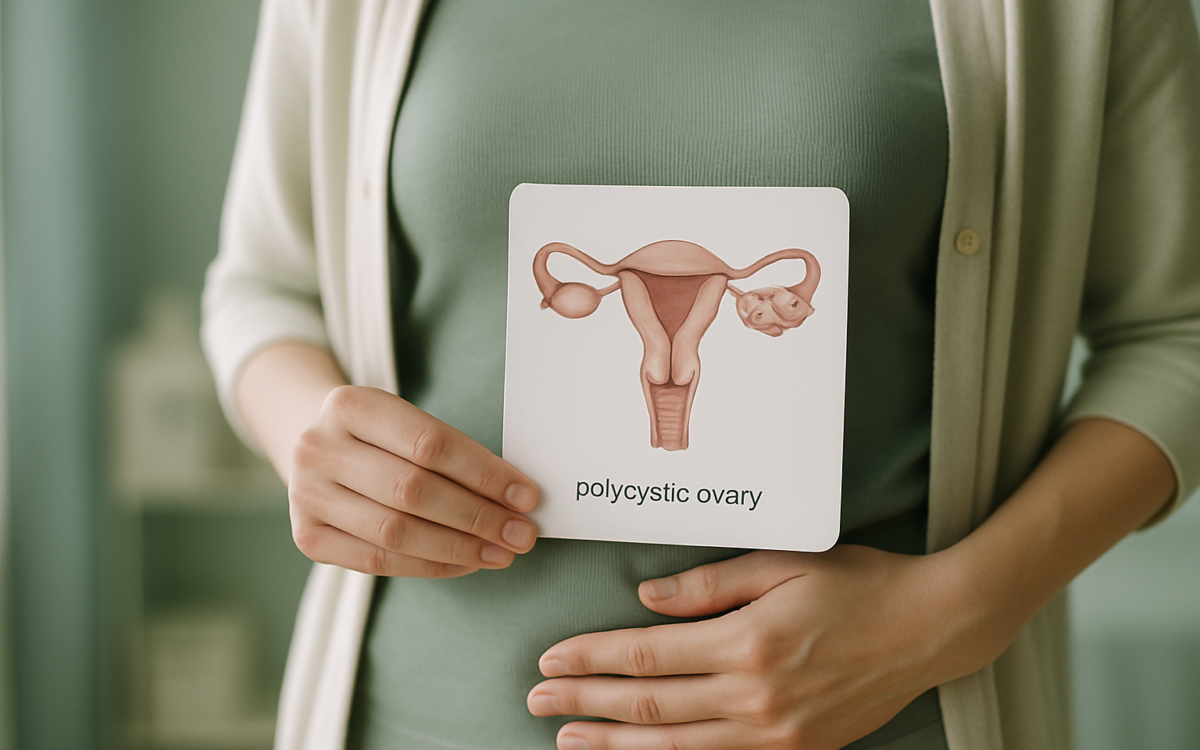
Polycystic Ovary Syndrome (PCOS) is a common health condition that affects women of reproductive age. It is characterized by hormonal imbalances, which can lead to various symptoms and complications. Understanding PCOS is crucial for women who may experience its effects and for those seeking effective management strategies.
What is PCOS?
PCOS is a hormonal disorder that leads to the development of small, fluid-filled sacs called cysts in the ovaries. The exact cause of PCOS isn’t fully understood, but it is believed to involve a combination of genetic and environmental factors. Women with PCOS may experience irregular menstrual cycles, excessive hair growth, acne, and weight gain. These symptoms result from an imbalance in hormones such as androgens, insulin, and estrogen.
Common Symptoms of PCOS
Women with PCOS may experience a range of symptoms, which can vary significantly from person to person. Here are some common symptoms:
- Irregular periods: Many women with PCOS have infrequent or prolonged menstrual cycles.
- Excess androgen levels: Elevated levels of male hormones can cause symptoms like excess facial and body hair, as well as thinning hair on the scalp.
- Weight gain: Many women with PCOS struggle with weight gain or obesity, which can further exacerbate other symptoms.
- Acne and oily skin: Hormonal imbalances can lead to skin issues such as severe acne and excessive oiliness.
- Infertility: Irregular ovulation can make it difficult for women with PCOS to conceive.
Diagnosing PCOS
Diagnosing PCOS typically involves a detailed medical history, a physical examination, and possibly blood tests to check hormone levels. A healthcare provider may also perform an ultrasound of the ovaries to look for cysts. According to the National Institutes of Health (NIH), a diagnosis is often based on the presence of at least two of the following criteria:
- Irregular or absent menstrual cycles
- Elevated androgen levels
- Presence of cysts on the ovaries
Treatment Options
Treatment for PCOS varies based on the individual and her specific symptoms and health goals. Here are some popular approaches:
Lifestyle Changes
Making healthy lifestyle changes can be a powerful first step in managing PCOS. This may include:
- Maintaining a balanced diet rich in whole grains, lean proteins, and healthy fats.
- Engaging in regular physical activity to help maintain a healthy weight and improve insulin sensitivity.
- Monitoring weight, as even small reductions can help alleviate symptoms.
Medications
Depending on the symptoms, healthcare providers may recommend medications such as:
- Hormonal contraceptives: Birth control pills can help regulate menstrual cycles and reduce symptoms like facial hair and acne.
- Insulin-sensitizing agents: Medications like metformin can help manage insulin levels and improve ovulation.
- Anti-androgens: These can help reduce excessive hair growth.
PCOS and International Treatment Options
If you’re considering treatment options beyond your home country, there are various international patient services that specialize in PCOS. For instance, certain clinics abroad offer personalized hormone therapy and advanced fertility treatments. Researching these options and discussing them with your healthcare provider can help you make informed decisions about your health.
Complications Related to PCOS
If left untreated, PCOS can lead to several complications, including:
- Infertility: Irregular ovulation can affect fertility, making it difficult to conceive.
- Endometrial cancer: The risk of endometrial cancer may increase if you do not have regular menstrual cycles.
- Metabolic syndrome: PCOS is associated with insulin resistance, leading to higher risks of diabetes and heart disease.
When to See a Doctor
If you experience symptoms of PCOS, such as irregular periods, excessive hair growth, or difficulty conceiving, it’s important to consult a healthcare provider. Early diagnosis and ongoing management can help mitigate complications and improve quality of life.
Conclusion
PCOS is a complex condition that requires a comprehensive approach to management. With the right support and treatment, women with PCOS can lead healthy, fulfilling lives. It’s crucial to stay informed and work closely with healthcare providers to find the best path forward.
