
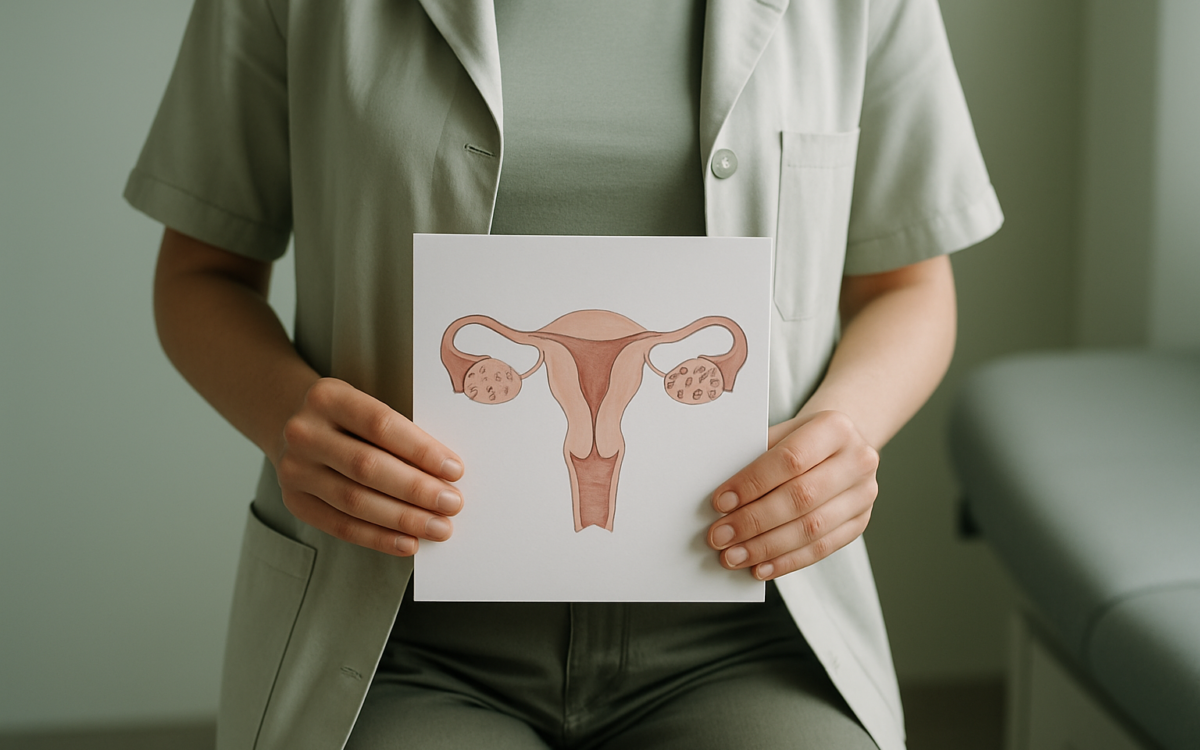
When it comes to women’s health, conditions that affect the ovaries can often be misunderstood. One such condition is Polyovarian Syndrome, which can have significant effects on a woman’s reproductive health and overall well-being. Understanding this disorder can empower women to seek appropriate care and manage their health effectively.
What is Polyovarian Syndrome?
Polyovarian Syndrome, also known as polycystic ovary syndrome (PCOS), is a hormonal disorder common among women of reproductive age. It is characterized by irregular menstrual cycles, excess androgen levels, and polycystic ovaries, which may contain numerous small, fluid-filled sacs. PCOS can lead to various symptoms and complications, some of which may directly impact a woman’s ability to conceive.
Symptoms of Polyovarian Syndrome
The symptoms of Polyovarian Syndrome can vary widely among women, making it a challenging condition to diagnose. Common symptoms include:
- Irregular or absent menstrual periods
- Excessive hair growth (hirsutism) on the face and body
- Acne and oily skin
- Weight gain, particularly around the abdomen
- Thinning hair or male-pattern baldness
- Infertility or difficulty getting pregnant
If you experience several of these symptoms, it may be worthwhile to consult with a healthcare provider to explore the possibility of Polyovarian Syndrome.
Causes and Risk Factors
The precise cause of Polyovarian Syndrome remains unclear. However, several factors may contribute to its development:
- Hormonal Imbalances: Women with PCOS often have elevated levels of androgens, which can interfere with the menstrual cycle and ovulation.
- Insulin Resistance: Many women with this syndrome exhibit insulin resistance, leading to higher insulin levels that can further increase androgens and exacerbate symptoms.
- Genetic Factors: PCOS may run in families, suggesting a genetic component to its development.
Diagnosis of Polyovarian Syndrome
Diagnosing Polyovarian Syndrome typically involves a combination of a physical examination, a review of medical history, and specific tests. A healthcare provider may perform:
- A pelvic exam to assess the reproductive organs
- Blood tests to measure hormone levels and check for insulin resistance
- An ultrasound to evaluate the ovaries’ appearance and check for cysts
Due to overlapping symptoms with other conditions, it’s critical for women to undergo a thorough evaluation by a qualified health professional.
Treatment Options
While there’s no cure for Polyovarian Syndrome, several treatments can help manage symptoms and reduce the risk of complications:
1. Lifestyle Changes
For many women, lifestyle modifications can be highly beneficial. These may include:
- Maintaining a healthy weight through balanced diet and regular exercise
- Limiting carbohydrates, which may help stabilize insulin levels
2. Medications
Depending on symptoms, several medications may be prescribed:
- Birth Control Pills: These can help regulate menstrual cycles and lower androgen levels.
- Metformin: Often used for insulin resistance, it may help with weight loss and menstrual regularity.
- Anti-androgens: Medications like spironolactone can reduce hair growth and acne.
3. Fertility Treatments
Women experiencing challenges with ovulation or infertility may consider fertility treatments such as:
- Clomiphene citrate to stimulate ovulation
- In vitro fertilization (IVF) for those seeking assisted reproduction
Complications Associated with Polyovarian Syndrome
Left untreated, Polyovarian Syndrome can lead to a range of complications, including:
- Type 2 diabetes and metabolic syndrome due to insulin resistance
- Endometrial cancer from prolonged unopposed estrogen exposure
- Cardiovascular disease risk factors such as high cholesterol or hypertension
Fostering awareness of these risks is essential for proactive management of the condition.
When to See a Doctor
If you notice any symptoms associated with Polyovarian Syndrome, it is important to consult a healthcare professional. Early diagnosis and intervention can help manage symptoms effectively and reduce the risk of associated health issues.
Conclusion
Polyovarian Syndrome affects a significant number of women and can have profound implications on health and fertility. Understanding this condition, recognizing its symptoms, and seeking timely medical advice can empower women to take control of their health. For further information and personalized care, don’t hesitate to reach out to your healthcare provider.
