
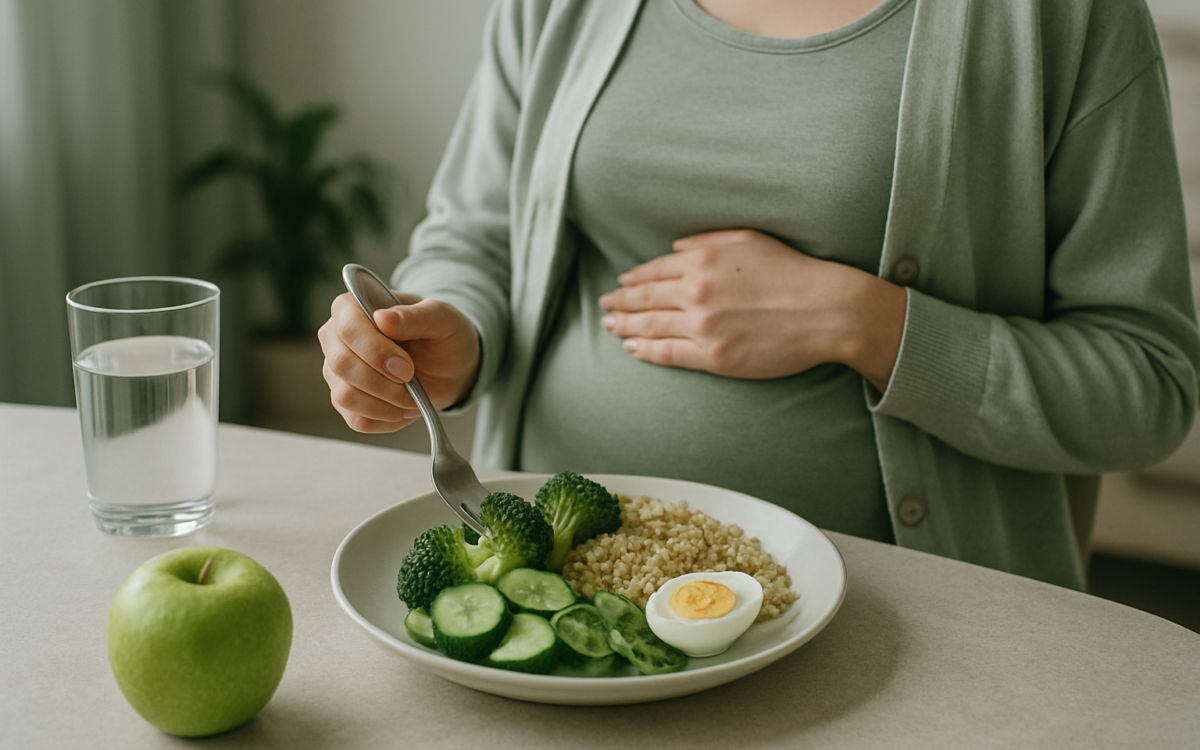
Pregnancy is an exciting time filled with anticipation and change. One of the most important aspects of this journey is nutrition. What you eat can influence not only your health but also that of your developing baby. Understanding the basics of pregnancy nutrition can empower you to make informed choices that will benefit both of you throughout these nine months.
The Importance of Balanced Nutrition
A balanced diet during pregnancy is crucial. It ensures that you receive all the essential nutrients your body needs to support the growth and development of your baby. Key components of a balanced pregnancy diet include:
- Fruits and Vegetables: Aim for a variety of colors and types for a broad range of vitamins and minerals.
- Whole Grains: Foods like brown rice, oatmeal, and whole-grain bread provide necessary fiber and energy.
- Lean Proteins: Sources like chicken, fish, beans, and nuts support tissue growth.
- Dairy Products: These provide calcium, vitamin D, and protein, which are vital for your baby’s developing bones.
According to the Centers for Disease Control and Prevention (CDC), a well-rounded diet helps minimize risks associated with pregnancy, including gestational diabetes and excessive weight gain.
Key Nutrients for Expecting Mothers
Certain nutrients become increasingly important during pregnancy. Here are some you should focus on:
Folic Acid
Folic acid is essential for preventing neural tube defects in the developing baby. It’s recommended that all women of childbearing age consume 400 micrograms of folic acid daily, increasing to 600 micrograms during pregnancy. Good sources include leafy green vegetables, fortified cereals, and beans.
Iron
Iron is crucial for producing extra blood for you and your baby. Insufficient iron can lead to anemia, which is more common during pregnancy. Aim for sources like lean meats, spinach, and fortified cereals. The Mayo Clinic highlights the importance of iron to support increased blood volume and prevent fatigue.
Calcium and Vitamin D
Calcium is vital for building your baby’s bones and teeth. Aim for about 1,000 milligrams per day. Dairy products are excellent sources, but if you are lactose intolerant, consider fortified almond or soy milk. Vitamin D also supports calcium absorption, so try to get some sunlight and include good sources like fatty fish in your diet.
Omega-3 Fatty Acids
These healthy fats support brain development in your baby. Sources include fish like salmon and walnuts. However, it’s essential to choose low-mercury fish to avoid harmful contaminants.
Hydration Matters
Staying hydrated is just as important as eating well. Aim for about 8-10 cups of fluids each day, mainly from water. Proper hydration supports various bodily functions, including nutrient absorption and the formation of amniotic fluid. Avoid sugary drinks and limit caffeine intake to support overall health.
International Perspectives on Pregnancy Nutrition
Pregnancy nutrition can vary widely across cultures and countries. In some regions, traditional diets rich in local ingredients offer unique benefits. For instance, the Mediterranean diet, which is rich in fruits, vegetables, whole grains, and healthy fats, has been associated with positive pregnancy outcomes. If you’re considering international care options or nutritional approaches, resources like Acibadem International can offer valuable information about various options and support services available worldwide.
Foods to Limit or Avoid
Not all foods are beneficial during pregnancy. Be cautious of:
- Raw or Undercooked Meat and Eggs: These can harbor harmful bacteria.
- Certain Fish: High-mercury fish like shark, swordfish, and king mackerel should be avoided.
- Unpasteurized Products: These can pose risks of Listeria and other infections.
- Excess Sugar and Processed Foods: While cravings are common, limiting these can help maintain a healthy weight.
Vitamins and Supplements
Even with a balanced diet, prenatal vitamins are recommended to ensure you’re getting essential nutrients that may be hard to obtain through food alone. Your healthcare provider can recommend specific supplements tailored to your needs. Always consult with your doctor before starting any new supplement to discuss what’s right for you.
When to See a Doctor
If you have concerns about your diet during pregnancy, are experiencing unusual symptoms, or have specific health conditions, it’s essential to consult your healthcare provider. They can provide personalized advice and support to ensure both your health and that of your baby.
Nutrition plays a vital role in pregnancy; it helps support the well-being of both you and your baby. By focusing on a balanced diet rich in essential nutrients, staying hydrated, and consulting with healthcare professionals, you can take positive steps toward a healthy pregnancy.
