
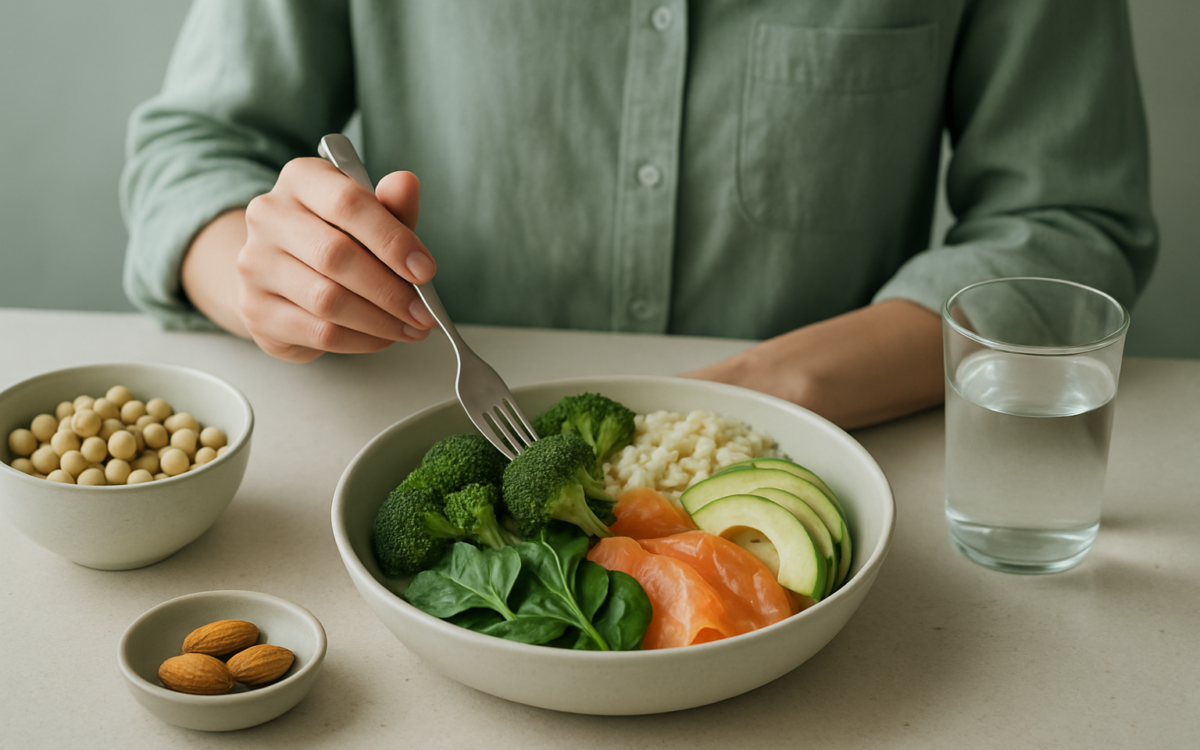
In today’s fast-paced world, many people suffer from chronic inflammation, which can lead to various health issues, including heart disease, diabetes, and autoimmune disorders. One proactive way to combat this issue is through an anti-inflammatory diet. This article will explore what an anti-inflammatory diet is, what foods to include and avoid, and how this dietary approach may benefit you.
What is an Anti-Inflammatory Diet?
An anti-inflammatory diet focuses on including foods that help reduce inflammation in the body. Chronic inflammation can arise from various factors, including stress, lack of exercise, and poor nutrition. Although it is essential to consult healthcare providers about inflammation-related ailments, adopting an anti-inflammatory diet can be a beneficial step toward better health.
Foods to Include in an Anti-Inflammatory Diet
Incorporating specific foods into your diet can help minimize inflammation. Here are some key components:
- Fruits and Vegetables: Leafy greens, berries, cherries, and oranges are rich in antioxidants and vitamins that combat inflammation.
- Healthy Fats: Olive oil, avocados, and nuts, particularly walnuts and almonds, provide beneficial monounsaturated fats and omega-3 fatty acids.
- Whole Grains: Brown rice, quinoa, and whole-wheat bread can help keep your energy levels stable and reduce inflammation.
- Fish: Fatty fish like salmon, mackerel, and sardines are excellent sources of omega-3 fatty acids, which are known for their anti-inflammatory properties.
- Legumes: Lentils, beans, and chickpeas are not only high in fiber but also full of proteins and nutrients that may help reduce inflammation.
Foods to Avoid
While some foods can reduce inflammation, others may promote it. Limiting or avoiding the following foods can be a smart strategy:
- Processed Foods: Foods that are high in sugar, trans fats, and refined carbohydrates, such as white bread, pastries, and fried snacks.
- Red and Processed Meats: Bacon, sausages, and other processed meats can increase markers of inflammation in the body.
- Sugar and High-Fructose Corn Syrup: Excess sugar is linked to increased inflammation, so opt for natural sweeteners in moderation.
- Excessive Alcohol: While moderate alcohol consumption might have some benefits, excessive intake can lead to inflammation.
The Science Behind the Diet
Multiple studies indicate the positive effects of an anti-inflammatory diet on health. For instance, research shows that diets rich in fruits, vegetables, nuts, and seafood can lower the risk of chronic diseases associated with inflammation (see NIH). Additionally, these dietary patterns may contribute to improved cholesterol levels, better blood pressure, and weight management.
Tips for Starting an Anti-Inflammatory Diet
Transitioning to an anti-inflammatory diet doesn’t have to be overwhelming. Here are some practical tips to help you get started:
- Plan Your Meals: Take some time each week to plan meals that focus on whole, anti-inflammatory foods.
- Cook at Home: Preparing meals allows you to control ingredients and avoid processed items.
- Experiment with Herbs and Spices: Incorporate anti-inflammatory herbs like turmeric and ginger to add flavor and health benefits.
- Stay Hydrated: Drink plenty of water and consider herbal teas that may also have anti-inflammatory properties.
Embracing Lifestyle Changes
An anti-inflammatory diet is not just about food; it also complements a healthy lifestyle. Incorporating regular physical activity, managing stress through techniques like meditation or yoga, and getting adequate sleep can further aid in reducing inflammation. These combined changes can enhance your overall quality of life.
When to See a Doctor
If you are experiencing persistent inflammation-related issues or other health concerns, it’s essential to consult a healthcare professional. They can guide you on the appropriate dietary changes and other interventions that may be necessary.
In conclusion, an anti-inflammatory diet can play a pivotal role in reducing inflammation and supporting overall health. By focusing on whole, nutrient-rich foods and avoiding processed options, you can create a dietary pattern that benefits not just your body but your mind as well. Make small, sustainable changes today for a healthier tomorrow.
