
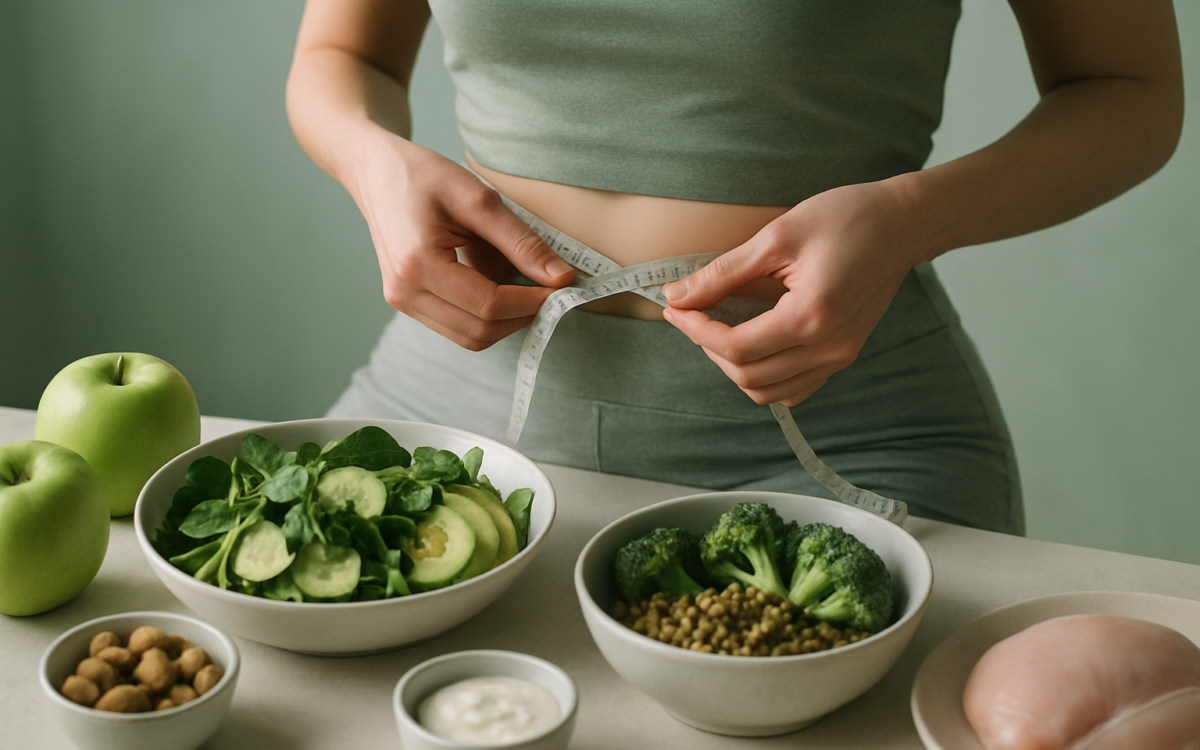
In today’s fast-paced world, maintaining a healthy weight can feel like an uphill battle. Many people struggle with weight loss due to various factors, including busy lifestyles, stress, and poor eating habits. However, the right nutrition can make a significant difference. One approach gaining attention is the anti-inflammatory diet. This diet not only supports overall health but can also be an effective strategy for losing weight. Let’s dive into what an anti-inflammatory diet entails and how it can help you shed those stubborn extra pounds.
What is an Anti-Inflammatory Diet?
An anti-inflammatory diet focuses on eating foods that reduce inflammation in the body. Inflammation plays a role in various chronic diseases, including obesity, diabetes, and heart disease. By choosing foods high in antioxidants, healthy fats, and fiber, you can manage inflammation and improve your overall well-being.
Common components of an anti-inflammatory diet include:
- Fruits and vegetables: Particularly berries, leafy greens, and cruciferous vegetables.
- Whole grains: Such as quinoa, brown rice, and oats.
- Healthy fats: Found in olive oil, nuts, seeds, and fatty fish like salmon.
- Spices and herbs: Such as turmeric, ginger, and garlic.
- Legumes: Including beans and lentils.
How an Anti-Inflammatory Diet Aids Weight Loss
The anti-inflammatory diet can contribute to weight loss in several ways:
1. Promotes Healthy Food Choices
By prioritizing whole foods over processed options, this diet encourages the intake of nutrient-dense meals that tend to be lower in calories. These foods help fill you up without leading to excessive calorie intake.
2. Reduces Cravings and Emotional Eating
Many anti-inflammatory foods stabilize blood sugar levels, which can help reduce cravings. When your blood sugar is stable, you’re less likely to reach for sugary snacks or comfort foods that can derail your weight loss efforts.
3. Supports Metabolism
Incorporating antioxidant-rich foods can enhance metabolic processes in the body, leading to more efficient calorie burning. Foods such as leafy greens and berries are packed with nutrients that support metabolism and energy levels.
Key Anti-Inflammatory Foods for Weight Loss
While an anti-inflammatory diet encompasses a variety of foods, certain choices stand out when it comes to weight loss:
- Berries: Blueberries and strawberries are rich in antioxidants, fiber, and vitamins while being low in calories.
- Fatty fish: Salmon, mackerel, and sardines are excellent sources of omega-3 fatty acids, which are known to lower inflammation.
- Leafy greens: Foods like spinach, kale, and Swiss chard are nutrient-dense and low in calories, making them perfect for weight loss.
- Nuts: Almonds, walnuts, and pistachios can help you feel full longer, but moderation is key due to their higher calorie content.
- Whole grains: Quinoa and brown rice provide fiber and essential nutrients while keeping you energized.
Creating Your Anti-Inflammatory Meal Plan
Getting started on an anti-inflammatory diet can be straightforward. Here are some tips for creating a meal plan:
1. Plan your meals and snacks
Set aside time once a week to plan your meals. Aim to include a variety of fruits, vegetables, whole grains, and healthy proteins. Having healthy snacks ready can help you resist the temptation of unhealthy options.
2. Experiment with recipes
Don’t be afraid to try new foods! Explore recipes that incorporate anti-inflammatory ingredients. Simple meals can be prepared using olive oil, garlic, fresh veggies, and whole grains.
3. Stay mindful of portion sizes
While focusing on healthy foods is crucial, paying attention to portion sizes is also important for weight management. Eating mindfully can help you recognize when you are truly satisfied.
Potential Challenges of an Anti-Inflammatory Diet
Transitioning to an anti-inflammatory diet may come with its challenges:
1. Difficulty with cravings
Initially, you may experience cravings for processed or sugary foods. It’s important to be patient with yourself and find healthier substitutes that satisfy those cravings.
2. Adjusting to new flavors
Some people might not be accustomed to the flavors of whole grains or certain vegetables. Take your time to explore new recipes, and gradually incorporate these foods into your routine.
3. Eating out
Dining out can make sticking to your dietary choices challenging. Try searching menus in advance for healthier options, or don’t hesitate to ask your server about ingredients.
When to See a Doctor
If you are considering making significant changes to your diet, it’s always a good idea to consult with a healthcare professional. If you have specific health conditions or if you’re struggling with your weight despite changes in your diet, a doctor or registered dietitian can offer personalized advice. For more information, visit the Mayo Clinic or the CDC.
Conclusion
Adopting an anti-inflammatory diet can be a powerful tool for weight loss and overall health improvement. By focusing on nutritious, whole foods, you not only help reduce inflammation in your body but also promote healthy eating habits that can support weight management. Remember that every small change counts, and consulting with a healthcare professional can provide you with additional guidance on your journey toward a healthier lifestyle.
