
In our fast-paced lives, it’s easy to forget the impact of what we eat on our overall health. As more studies emerge, the connection between diet and inflammation becomes increasingly apparent. A low inflammatory diet focuses on foods that help reduce inflammation in the body, which can lead to healthier living. What exactly is a low inflammatory diet, and how can it benefit you? Let’s dive into the details.
What is a Low Inflammatory Diet?
A low inflammatory diet is designed to include foods that help combat inflammation while avoiding those that can trigger or worsen it. Inflammation is a natural response of the immune system, but chronic inflammation has been linked to various serious health problems, including heart disease, diabetes, and certain cancers. According to research from the National Institutes of Health, certain dietary patterns can heavily influence inflammation levels in the body.
Key Components of a Low Inflammatory Diet
To create a balanced low inflammatory diet, focus on incorporating the following food groups:
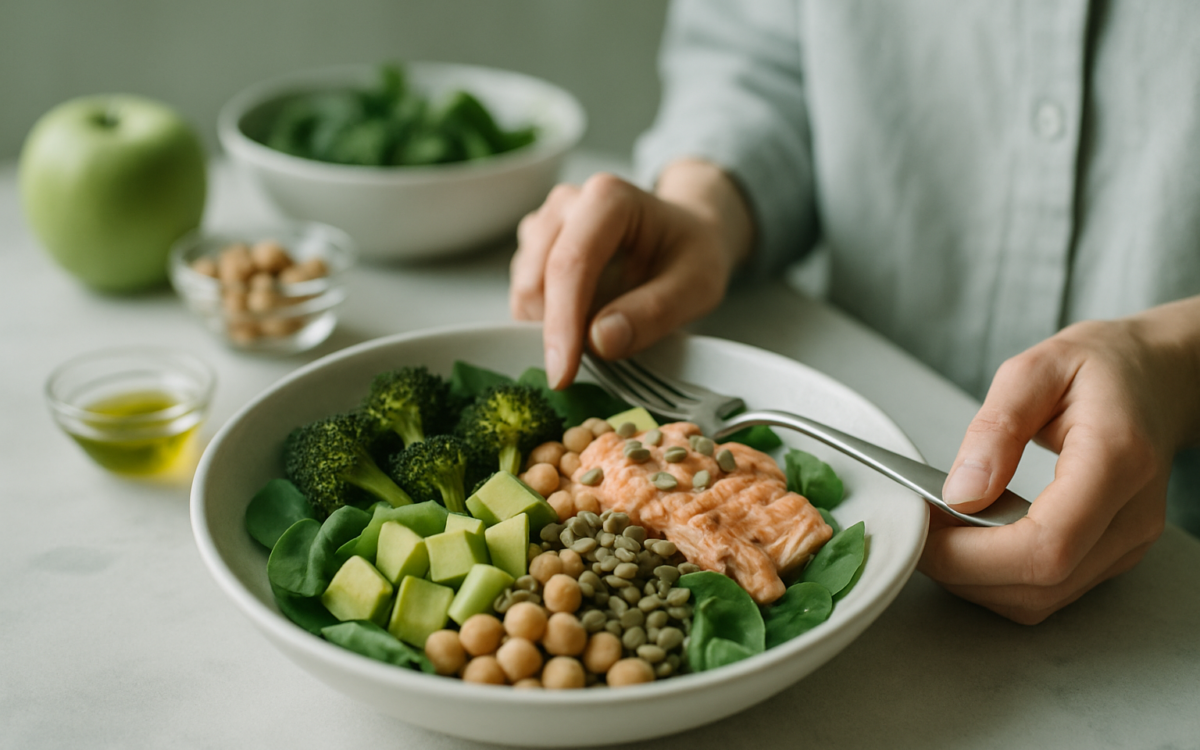
- Fruits and Vegetables: Brightly colored fruits and veggies are loaded with antioxidants and vitamins. Berries, broccoli, spinach, and sweet potatoes are excellent choices.
- Healthy Fats: Include sources of good fats such as avocados, nuts, seeds, and olive oil. These fats can help reduce inflammation.
- Whole Grains: Opt for whole grains like brown rice, quinoa, and barley. Unlike refined grains, they contain more fiber and nutrients.
- Lean Proteins: Fish rich in omega-3 fatty acids, such as salmon and sardines, are great, as well as plant-based sources like beans and legumes.
- Spices and Herbs: Curcumin (found in turmeric), garlic, and ginger are fantastic options known for their anti-inflammatory properties.
Foods to Avoid
Just as important as what to include in your diet is what to avoid. Reduce or eliminate the following from your meals:
- Processed Foods: Many processed foods contain high levels of sugar, unhealthy fats, and preservatives that can increase inflammation.
- Refined Carbohydrates: White bread, pastries, and sugary snacks can worsen inflammation. Try to replace them with whole grain alternatives.
- Red and Processed Meats: These can promote inflammatory responses, leading to chronic health issues.
- Sugary Beverages: Drinks loaded with sugar can spike insulin levels and cause inflammation.
Understanding the Science Behind It
The science of diet and inflammation is grounded in biology and nutrition. When we eat foods that are high in sugar or bad fats, our body responds with an inflammatory process. Studies have shown that a diet rich in anti-inflammatory foods can lower levels of inflammatory markers in the body, such as C-reactive protein (CRP) (see studies published by the World Health Organization for more details). This reduction can lead to a lower risk of chronic diseases.
If you are considering a low inflammatory diet from an international perspective, many patients turn to facilities that offer comprehensive support for dietary changes, like international patient services. Such services provide access to nutritionists who can create tailored meal plans specific to individual needs.
How to Start a Low Inflammatory Diet
Transitioning to a low inflammatory diet doesn’t have to be overwhelming. Here are some simple steps to get started:
- Educate Yourself: Learn about the foods that promote versus those that reduce inflammation.
- Plan Your Meals: Spend a little time each week planning your meals. Include lots of colorful fruits and vegetables.
- Read Labels: Be mindful of what’s in your food. Choose products with fewer ingredients and avoid those with added sugar and unhealthy fats.
- Experiment: Try new recipes and ingredients that emphasize whole, unprocessed foods.
Staying Motivated and Making it a Lifestyle
Changing your diet is not just about short-term goals; it’s about making lasting lifestyle changes. Here are ways to stay motivated:
- Find a Buddy: Join a cooking class or a health community to share experiences and meal ideas.
- Keep it Fun: Make cooking enjoyable by experimenting with flavors and cuisines from around the world.
- Set Realistic Goals: Start with small, achievable goals. Gradually increase the number of anti-inflammatory foods in your diet.
When to See a Doctor
If you are struggling with dietary changes or experience unexplained symptoms like chronic fatigue, joint pain, or gastrointestinal issues, it’s essential to consult a healthcare professional. They can provide tailored advice and may refer you to a nutritionist who specializes in dietary inflammation.
Conclusion
A low inflammatory diet is a powerful way to boost your health and potentially reduce chronic disease risks. By focusing on whole, nutrient-dense foods and avoiding inflammatory triggers, you can cultivate a healthier lifestyle. Remember, every small change contributes to a greater overall effect. As you explore new foods and recipes, listen to your body’s needs and consult with a doctor if needed to ensure your diet serves you well.
