
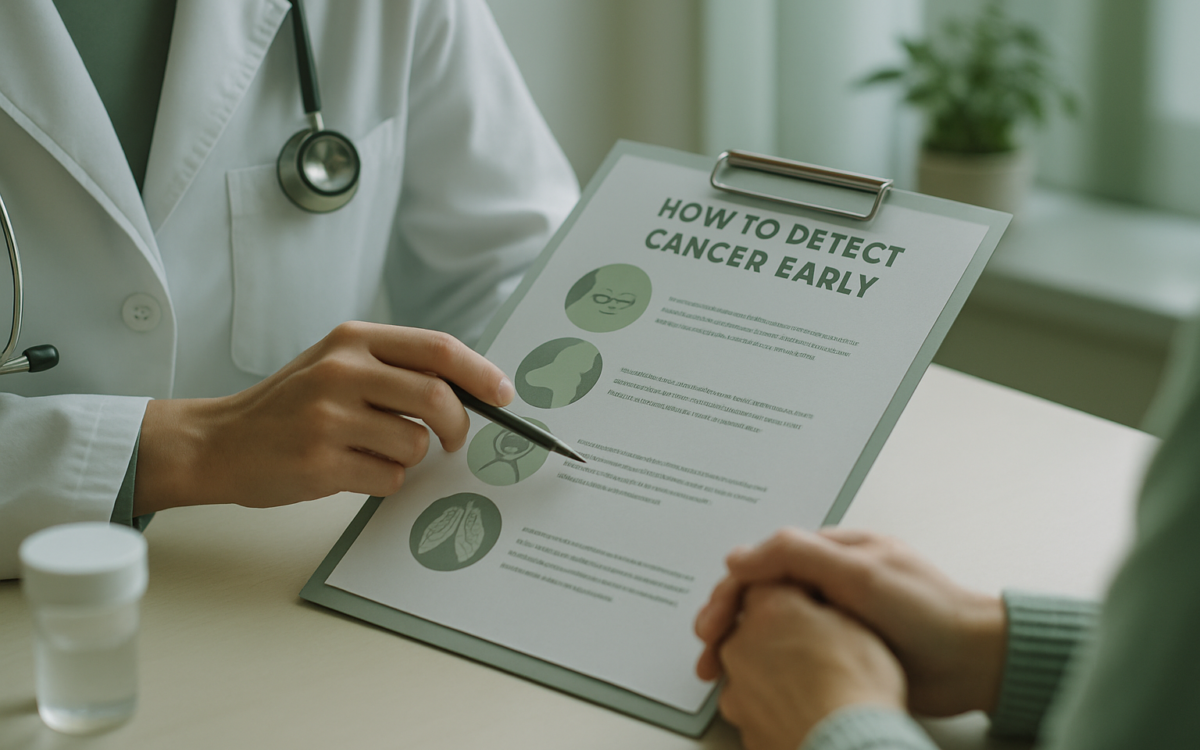
Cancer is one of the most serious health challenges we face today. However, catching it early can make a significant difference in treatment and survival rates. By being aware of our bodies and keeping up with screenings, we can take proactive steps toward early detection. In this article, we will explore how to detect cancer early, understand the signs to look for, and the importance of regular check-ups.
Understanding Cancer Risk Factors
Cancer develops when cells in the body grow uncontrollably. While some factors are beyond our control, such as genetics and age, others are modifiable. Understanding risk factors can help you make informed decisions about your health. Here are some common risk factors:
- Family History: If cancer runs in your family, your risk may be higher.
- Age: The risk of many cancers increases as you age.
- Smoking and Alcohol Use: Both substances are linked to various cancers.
- Obesity: Excess body weight is a significant risk factor for many types of cancer.
Recognizing these factors can guide you in taking steps to mitigate your risk.
Common Screening Tests
Screening tests are vital as they help find cancer before symptoms appear. Many organizations recommend specific screenings for different types of cancer based on age and risk factors. Here are common screening tests:
- Mammograms: Recommended for women to detect breast cancer, usually starting at age 40.
- Colonoscopies: Recommended for both men and women starting at age 45 to detect colorectal cancer.
- Pap Tests: Recommended for women to screen for cervical cancer, typically starting at age 21.
- Low-Dose CT Scans: Recommended for high-risk individuals (heavy smokers) to detect lung cancer.
Discuss with your doctor when you should begin these screenings and how often to have them based on your health history.
Self-Examinations: Know Your Body
In addition to screenings, performing self-examinations can help you recognize what is normal for your body, making it easier to detect changes. Here are a few self-examinations to consider:
- Breast Self-Exam: Regularly check for lumps or changes in breast tissue.
- Testicular Self-Exam: Men should examine for lumps or changes in the testicles.
- Skin Checks: Look for unusual moles or changes in skin tone, and track any skin changes.
If you notice anything unusual during these self-exams, it’s important to consult a healthcare provider.
Recognizing Warning Signs
Aware individuals often spot symptoms earlier than others. Knowing common cancer signs can lead to earlier diagnosis. Here are warning signs to be vigilant about:
- Unexplained Weight Loss: Losing weight without trying could be a red flag.
- Persistent Fatigue: Feeling tired all the time can signal underlying issues.
- Changes in Bowel or Bladder Habits: Any significant changes could indicate problems.
- Persistent Cough or Hoarseness: Especially if you’re a smoker or have been exposed to secondhand smoke.
These symptoms don’t always mean cancer, but if they persist or worsen, don’t hesitate to contact your doctor.
The Role of Genetics in Early Detection
Genetic testing can provide valuable insights into your cancer risk. If you have a family history of specific cancers, your doctor might recommend genetic counseling. This process can assess your potential risk based on inherited genetic mutations, such as BRCA1 and BRCA2, which are linked to breast and ovarian cancers.
For patients considering treatment options abroad, resources like acibademinternational.com provide insights into international cancer treatment programs, potentially offering cutting-edge therapies not available locally.
Importance of Regular Check-Ups
Regular check-ups with your healthcare provider are essential for maintaining health and detecting issues early. During these visits, make sure to mention any changes in your health, concerns about symptoms, or risk factors you believe are pertinent. Your provider can recommend screenings and tests based on your unique health needs.
The CDC and the National Cancer Institute provide guidelines on recommended screenings and check-up frequencies. Following these guidelines maximizes your chances of early detection.
When to See a Doctor
It’s crucial to be proactive about your health. If you notice any symptoms or changes that concern you, don’t hesitate to reach out to a healthcare professional. Early intervention could be key to effective treatment.
Conclusion
Understanding how to detect cancer early through screenings, self-examinations, and awareness of symptoms can lead to earlier diagnosis and better outcomes. By taking proactive steps, you empower yourself to manage your health actively. Remember, the best approach is to stay informed, communicate with your doctor, and never hesitate to ask questions. Your health is worth it!
