
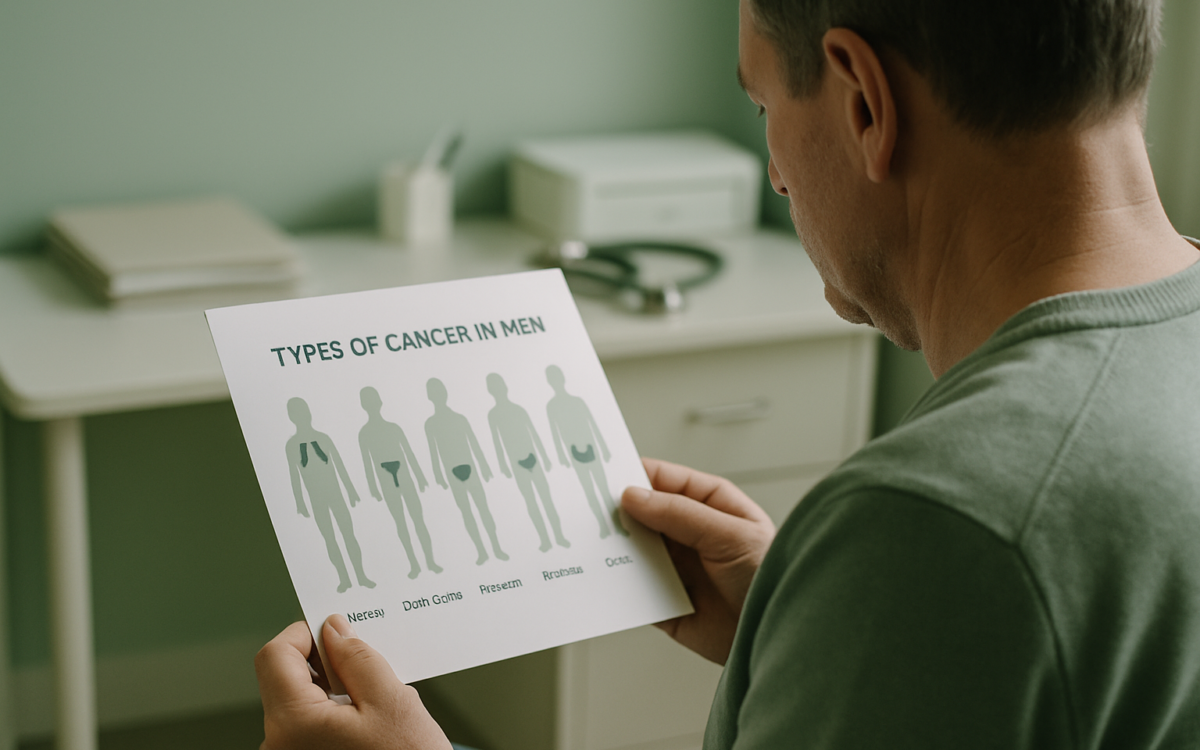
Cancer can be a daunting topic, especially when it affects our loved ones or ourselves. Understanding the types of cancer that commonly impact men is crucial for awareness and prevention. In this article, we will explore the most prevalent cancers in men, their symptoms, risk factors, and the importance of early detection. With the right information, men can take proactive steps toward better health.
Prostate Cancer
Prostate cancer is the most common cancer among men in the United States. The prostate is a small gland that produces seminal fluid. Most cases of prostate cancer occur in men over 50. It often grows slowly and may not cause any significant symptoms in the early stages.
Symptoms
Common symptoms to watch for include:
- Difficulty urinating
- Weak or interrupted urine flow
- Painful urination
- Blood in urine or semen
- Pain in the back, hips, or pelvis
Risk Factors
Your risk of developing prostate cancer increases with age, family history, and race; African-American men are at particularly high risk. A diet high in fat and low in fruits and vegetables may also contribute. For more information, visit the NIH.
Lung Cancer
Lung cancer is another leading cause of cancer-related deaths among men. It is often linked to smoking, although non-smokers can also develop lung cancer. This type of cancer typically does not present noticeable symptoms in its early stages.
Symptoms
Some symptoms to be aware of include:
- Persistent cough
- Chest pain
- Shortness of breath
- Wheezing
- Unexplained weight loss
Risk Factors
The primary risk factor for lung cancer is tobacco use. However, exposure to secondhand smoke, asbestos, and certain chemicals can increase your risk. For more details, you can refer to the CDC.
Colorectal Cancer
Colorectal cancer affects the colon or rectum and is the third most common cancer in men. It often begins as small polyps that can become cancerous over time. Regular screenings are crucial for early detection.
Symptoms
Signs of colorectal cancer may include:
- Changes in bowel habits (diarrhea or constipation)
- Blood in stool
- Abdominal discomfort
- Unexplained weight loss
Risk Factors
Age, family history, and certain dietary factors contribute to your risk. Men with a low-fiber, high-fat diet are at increased risk for this type of cancer. The WHO provides additional guidelines on this topic.
Testicular Cancer
Testicular cancer is less common but predominantly affects younger men, typically between the ages of 15 and 35. It is known for its high cure rate when detected early.
Symptoms
Men should look for:
- A lump or swelling in a testicle
- Pain or discomfort in the testicle or scrotum
- Changes in size or shape of the testicle
Risk Factors
Risk factors include undescended testicles, family history, and certain genetic conditions. Regular self-examinations can help in early detection.
Bladder Cancer
Bladder cancer is also common among men, particularly older adults. It typically affects the lining of the bladder and can often be detected through visible blood in urine.
Symptoms
Signs of bladder cancer may consist of:
- Blood in urine
- Frequent urination
- Pain during urination
- Back pain
Risk Factors
Smoking is the primary risk factor for bladder cancer. Other factors include exposure to certain chemicals and infections. For more insights, consider checking resources from the Mayo Clinic.
When to See a Doctor
It is vital to consult a healthcare provider if you notice any unusual symptoms or have risk factors associated with these cancers. Regular check-ups can help catch potential issues early, improving treatment success rates.
Men should also consider discussing screening options for prostate, colorectal, and lung cancers, especially if they are over 50 or have a family history of cancer.
Knowing the types of cancer that can affect men is essential for proactive health management. Early detection is key to treatment success.
