
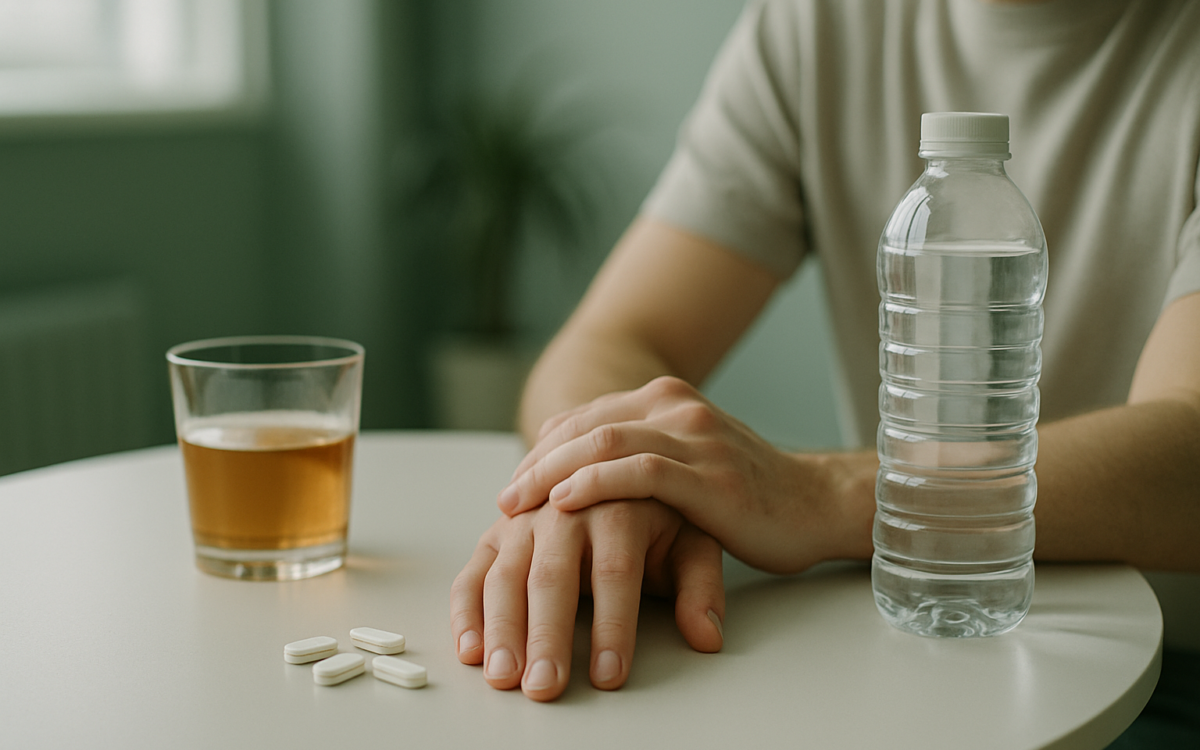
Whether it’s a night out gone too far or an unexpected change in plans, we all find ourselves wishing to sober up quickly at some point. The desire to regain clarity and composure can lead to frantic searches for fast solutions. While there’s no magic trick to making alcohol disappear from your system instantly, understanding how to manage your body and environment can provide some relief.
Understanding Alcohol Metabolism
Before diving into specific methods for sobering up quickly, it’s important to understand how alcohol affects the body. When you drink, alcohol is absorbed into your bloodstream through the stomach and small intestine. The liver processes this alcohol, breaking it down at a rate of about one standard drink per hour for most people. Factors such as weight, age, genetic background, and overall health can all influence this rate.
Stay Hydrated
One of the simplest ways to help your body recover from alcohol consumption is by hydrating. Alcohol is a diuretic, which can lead to dehydration. Drinking water can help ease some of the negative effects of drinking, including headaches and dizziness. Aim to drink at least 8 to 10 ounces of water for every alcoholic beverage consumed, and consider electrolyte drinks for added benefits.
Eat Something
Eating can also aid in sobering up. When you consume food, it can slow the absorption of alcohol into the bloodstream. Foods high in carbohydrates, like bread or pasta, may be particularly effective as they help stabilize blood sugar levels, which can drop when drinking. Additionally, foods rich in protein and healthy fats can provide sustained energy and help you feel more grounded.
Get Fresh Air and Move Around
Fresh air can be refreshing when trying to gain back some mental clarity. Stepping outside allows you to breathe freely, which can help alleviate feelings of nausea or dizziness. Light physical activity, like walking, may also stimulate circulation and help your body metabolize alcohol faster. Just remember to avoid vigorous exercise, which may further dehydrate you.
Social Support
Having a friend around can be helpful when you’re trying to sober up. Not only can they provide company, but they can also monitor your well-being. Communicating openly about your plans can ensure you have support during this time, whether it’s walking home or discussing options for safe transportation.
Medicinal Support
While there’s no medicine that can instantly sober you up, over-the-counter options such as anti-nausea medications can help ease discomfort. Be cautious, however; combining these with alcohol can be dangerous. If you are considering a more structured approach to treatment, various international patient services can provide specialized care, especially if you’re seeking support outside of your country.
Know When to Seek Help
If you or someone around you is experiencing severe drunkenness, such as confusion, vomiting, or difficulty breathing, it is essential to seek medical attention. Alcohol poisoning is a serious condition and requires immediate care. The National Institutes of Health suggest being aware of these dangerous symptoms and acting quickly if they arise. Always trust your instincts—if you’re uncertain about the severity of the situation, it’s best to err on the side of caution.
Conclusion
While there are ways to sober up more quickly, it’s crucial to remember that time is ultimately the only true solution for alcohol to leave your system. Managing hydration, nourishment, and engaging in light activity can alleviate immediate symptoms, but it’s always wise to be mindful of your body’s limits and the need for medical intervention when necessary.
