
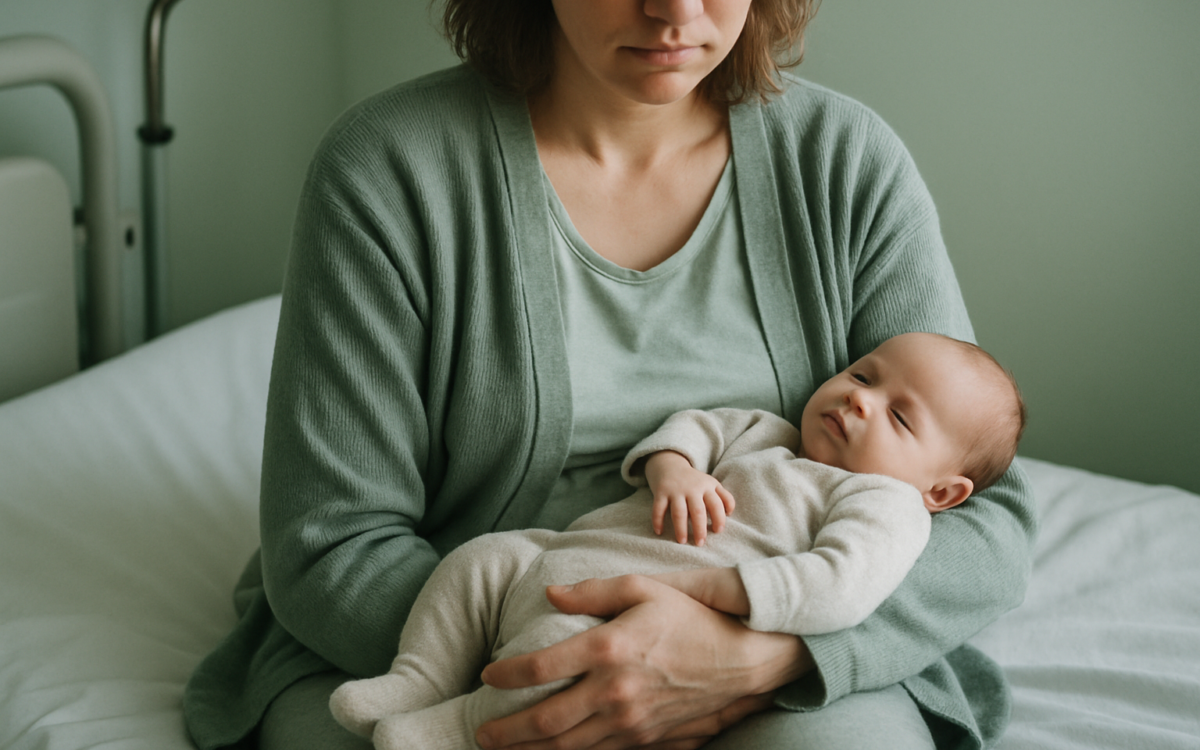
Welcoming a new baby into your family is often a joyous occasion, but for many new mothers, it also brings an overwhelming sense of sadness, anxiety, or hopelessness. This condition is known as postpartum depression (PPD), and it can significantly affect a mother’s emotional and physical health. One common question that arises in the midst of this struggle is, ‘How long does postpartum depression last?’ Understanding its duration can help mothers and their families navigate this challenging time with greater clarity and reassurance.
What is postpartum depression?
Postpartum depression is a complex mix of physical, emotional, and behavioral changes that some women experience after giving birth. According to the World Health Organization, it affects approximately 10-15% of new mothers. The symptoms can range from mild sadness to severe depression, impacting a mother’s ability to care for her newborn and herself.
Common symptoms of postpartum depression
Identifying PPD involves recognizing its common symptoms, which might include:
- Persistent sadness or low mood
- Loss of interest in activities once enjoyed
- Fatigue and low energy
- Changes in sleeping patterns (insomnia or oversleeping)
- Difficulty concentrating or making decisions
- Feelings of guilt or inadequacy
- Thoughts of harming oneself or the baby
These symptoms can arise anytime within the first year after giving birth, with some mothers experiencing them immediately, while others might notice symptoms developing later on.
How long can postpartum depression last?
The duration of postpartum depression varies widely among individuals. For some, PPD resolves within weeks, especially with the right support and treatment. Others may find themselves struggling for several months or even longer. Research indicates that mild forms of postpartum depression can persist for up to six months, while more severe cases might last beyond a year without intervention.
According to the Mayo Clinic, early intervention and proper care can help reduce the duration of symptoms. Many mothers experience fluctuations in mood and may have good days intermixed with challenging ones, making a clear timeline difficult to establish.
Factors that influence the duration of postpartum depression
Several factors can influence how long postpartum depression lasts, including:
- Severity of Symptoms: More severe depressive symptoms often take longer to resolve.
- Support System: Having a strong support network of family and friends can promote quicker recovery.
- Prior Mental Health History: Women with previous mental health issues may experience a longer duration of symptoms.
- Life Stressors: Ongoing personal life stressors, like financial difficulties or relationship issues, can prolong PPD.
Recognizing these factors can aid in setting realistic expectations for recovery and underscore the importance of seeking help if symptoms persist.
Treatment options and recovery
Seeking help is crucial for managing postpartum depression effectively. Treatment options may include:
- Therapy: Counseling or psychotherapy can help mothers process their feelings and develop coping strategies.
- Medications: Antidepressants, under a doctor’s supervision, can alleviate severe symptoms.
- Support Groups: Group therapy or support networks can provide encouragement and connection.
- Lifestyle Changes: Incorporating exercise, healthy eating, and sleep hygiene can also contribute to recovery.
Finding the right combination of treatments is essential and may require some time and experimentation. Recovery from PPD is often a gradual process, and be reassured that it is okay to seek help.
When to see a doctor
If you or someone you know is experiencing symptoms of postpartum depression, it’s important to consult a healthcare professional. Make an appointment if:
- Symptoms persist beyond two weeks
- Feelings of hopelessness or guilt are overwhelming
- You have thoughts of harming yourself or your baby
Getting support early can make a significant difference in the recovery experience.
Conclusion
Postpartum depression can be a challenging experience for new mothers, but understanding its potential duration and the variety of treatments available can empower women to seek help. While the duration of symptoms varies from person to person, recognizing the signs and knowing when to reach out for support can lead to a healthier emotional outlook. Remember that recovery is possible, and you are not alone on this journey.
