
As the days grow shorter and the sun hides behind clouds for longer stretches, many people begin to feel a sense of gloom that can linger for months. This phenomenon is often linked to Seasonal Affective Disorder (SAD), a type of depression that typically occurs in the late fall and winter months. Though the dark days can feel overwhelming, numerous therapies are available to help individuals manage their symptoms and reclaim their joy.
Understanding Seasonal Affective Disorder
SAD is more than just the winter blues. It is a recognized mental health condition that affects thousands of people across the country. Symptoms may include persistent sadness, fatigue, changes in sleeping and eating habits, and feelings of hopelessness. Understanding this disorder is the first step in seeking appropriate therapies.
Light Therapy: Bringing Back the Sunshine
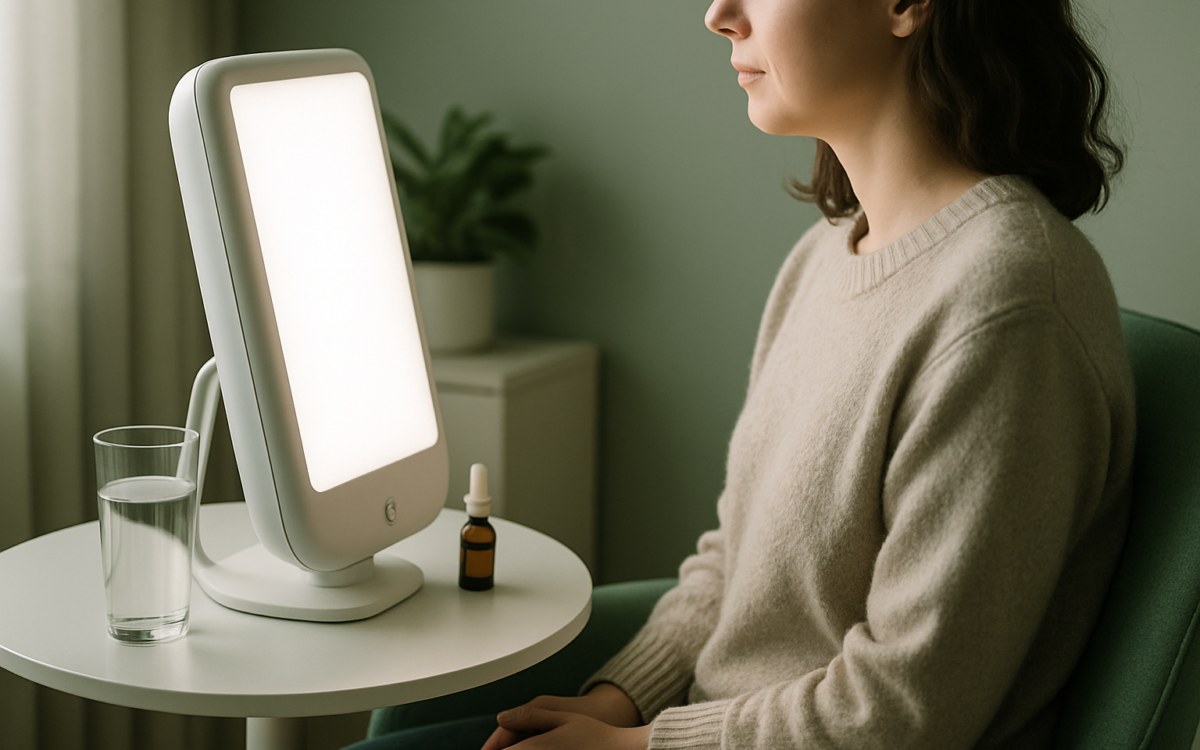
One of the most popular and effective treatments for SAD is light therapy. This method involves exposure to bright, artificial light that mimics natural sunlight. Many people find that using a light box for about 20 to 30 minutes each morning can significantly boost their mood.
Light therapy works by influencing the body’s sleep-wake cycle and improving mood-regulating hormones such as serotonin. Researchers have found it can be as effective as medication for some individuals experiencing SAD (National Institutes of Health). When choosing a light box, it is crucial to ensure it filters out UV rays and is specifically designed for treating SAD.
Cognitive Behavioral Therapy: Changing Thought Patterns
Cognitive Behavioral Therapy (CBT) is another powerful tool in managing SAD. This form of therapy focuses on changing negative thought patterns and behaviors associated with depression. By working with a trained therapist, individuals learn to recognize their negative thoughts and replace them with more positive, realistic ones.
Studies have shown that CBT can help reduce symptoms of SAD and improve overall emotional health. It provides skills that individuals can use long after therapy ends, making it a lasting resource for many dealing with seasonal depression (Mayo Clinic).
Medication Options: When Needed
For some individuals, medication may be necessary to manage their symptoms of SAD. Antidepressants, particularly selective serotonin reuptake inhibitors (SSRIs), can effectively improve mood and alleviate symptoms of depression. This option is often considered if light therapy and CBT alone are insufficient.
It’s essential to have a thorough discussion with a healthcare professional about any medications you may consider. The right treatment plan is personalized, considering the severity of symptoms, personal history, and other factors that could influence health.
Healthy Lifestyle Choices: The Foundation for Well-Being
In addition to therapies specifically targeted at SAD, adopting a healthy lifestyle can significantly improve one’s mood and overall mental health. Some lifestyle changes include:
- Regular Exercise: Physical activity can boost endorphins, the body’s natural mood lifters.
- Nourishing Diet: Eating a balanced diet rich in fruits, vegetables, whole grains, and lean proteins contributes to better mental health.
- Social Connections: Maintaining relationships and connecting with friends and family can alleviate feelings of isolation.
- Good Sleep Hygiene: Establishing a regular sleep schedule can improve overall mood and energy levels.
Alternative Therapies: Exploring Different Avenues
Some individuals find relief from SAD through alternative therapies like acupuncture, meditation, or mindfulness practices. While research on these therapies is still developing, many report positive experiences that complement traditional treatments.
Additionally, spending time outdoors during daylight hours, even when it’s cloudy, can help boost mood. Nature walks and outdoor activities can provide both exercise and sunlight, contributing positively to mental health.
When to See a Doctor
If you find that symptoms of SAD are affecting your daily life or worsening over time, it’s crucial to seek help. A healthcare professional can provide assessments and recommend appropriate therapies tailored to your needs. Early intervention can lead to better outcomes and a more enjoyable winter season.
Conclusion
Seasonal Affective Disorder can feel like an unyielding shadow, but numerous therapies and lifestyle changes can help chase away the gloom. From light therapy to cognitive support and lifestyle adjustments, finding what works for you can make the winter months more bearable. Remember, you’re not alone, and support is available.
