
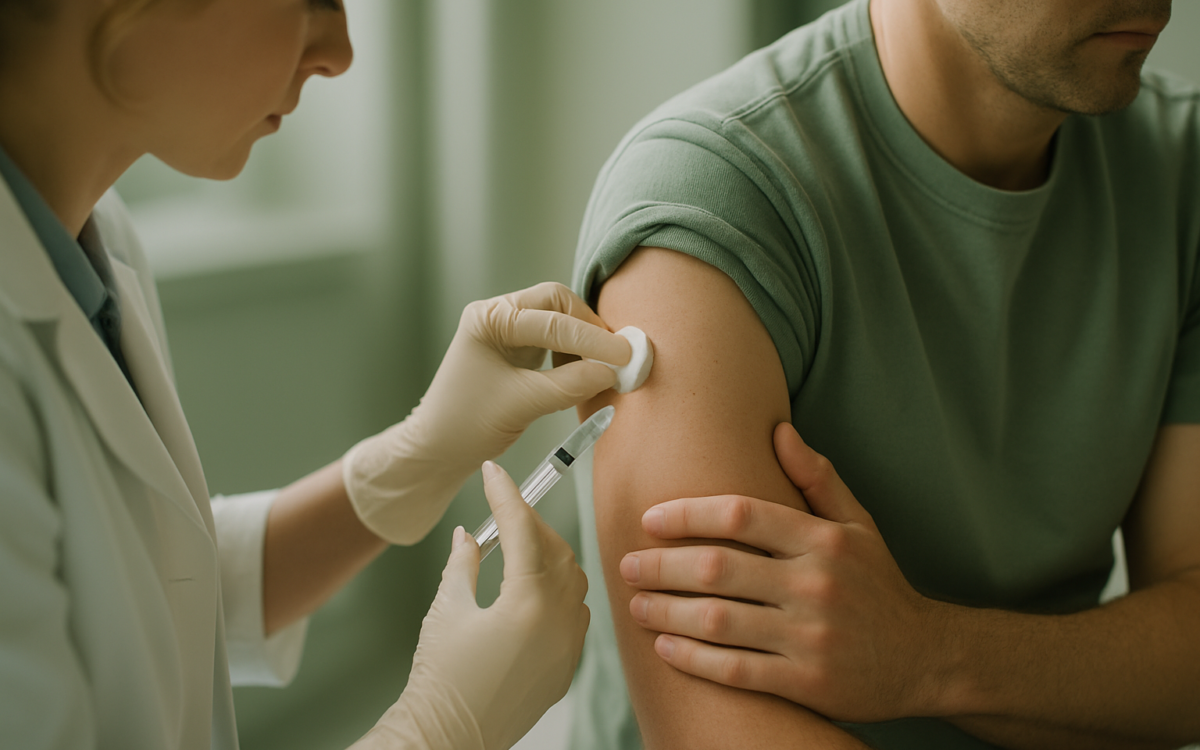
When we think of vaccines, we often picture children lining up for their shots to protect against diseases like measles, mumps, and rubella (MMR). However, adults can also benefit greatly from the MMR jab. In fact, understanding why adults need this vaccine is crucial for overall public health and personal protection.
What is the MMR vaccine?
The MMR vaccine protects against three serious viral infections: measles, mumps, and rubella. These diseases can have severe consequences, not just for children but also for adults. The vaccine is a combination shot that helps build immunity against these diseases by introducing weakened forms of the viruses. Most children receive two doses of the MMR vaccine, but as we grow older, the need for vaccination can vary.
Who should get the MMR jab as an adult?
While many adults may have received the MMR vaccine as children, there are specific groups that may still need the jab:
- Healthcare Workers: Individuals working in healthcare often come in contact with patients who may have contagious diseases. It is essential for them to be up-to-date on their vaccinations.
- College Students: Many universities require proof of measles vaccination for enrollment, especially during outbreaks.
- Travelers: If you are traveling to countries where measles is still common, getting vaccinated is highly recommended.
- Anyone born after 1956: Adults who are unsure of their vaccination history or those who have never had measles should consider getting the MMR shot.
Why is the MMR vaccine important for adults?
The MMR vaccine isn’t just a childhood necessity; it plays a vital role in adult health for several reasons:
Protection from Outbreaks
Measles and mumps are still present in many parts of the world and can lead to serious health complications such as pneumonia, encephalitis, or even death. When immunity wanes, adults become susceptible to these diseases, especially during outbreaks.
Immunity Maintenance
Many adults assume they are protected for life after childhood vaccinations; however, immunity can fade over time. Vaccination acts as a booster to reinforce your body’s defense system against these viruses.
Community Health
Vaccinating adults not only protects individual health but also helps in maintaining herd immunity. The more individuals that are vaccinated, the lower the chance for outbreaks to occur within a community.
MMR vaccination in different countries
It’s interesting to note that vaccination guidelines can differ from one country to another, guided by regional health needs and disease prevalence. In some countries, healthcare systems recommend vaccinations differently based on factors like outbreaks frequency and accessibility to healthcare. For instance, countries with a high incidence of measles may have more stringent recommendations for adult vaccination.
For individuals considering international treatment options or travel, consulting international healthcare centers like Acibadem International can provide valuable insights into the necessary immunizations based on destination and personal health history.
Possible side effects
Like all vaccines, the MMR jab can have side effects, although they are generally mild and temporary. Common side effects include:
- Low-grade fever
- Rash
- Pain at the injection site
- Swelling of the glands
Serious side effects are rare, but they can occur, such as allergic reactions or complications like thrombocytopenic purpura (a bleeding disorder). Always consult with your healthcare provider if you have concerns about side effects before receiving the vaccine.
How to prepare for the MMR jab
When planning to receive the MMR vaccine, here are a few tips to ensure a smooth experience:
- Consult your doctor: Discuss your vaccination history and any health conditions or allergies you may have.
- Keep records: If you have received the MMR jab before, make sure to have records. These may be required for future vaccinations or travel.
- Schedule ahead: If you’re a part of a group that requires back-to-back vaccinations (like healthcare workers or students), schedule your appointment well in advance.
When to see a doctor
If you experience an unusually high fever, severe allergic reactions, or any unusual health changes after receiving the MMR jab, it is so important to contact your healthcare provider. They can help assess your symptoms and provide the necessary care.
Conclusion
While the MMR vaccine is often thought of as a childhood immunization, it is equally important for adults. Keeping vaccinations up-to-date helps protect yourself and others from serious diseases. If you are unsure whether you need the MMR jab, consult your doctor to review your vaccination history and discuss the benefits of staying protected.
