
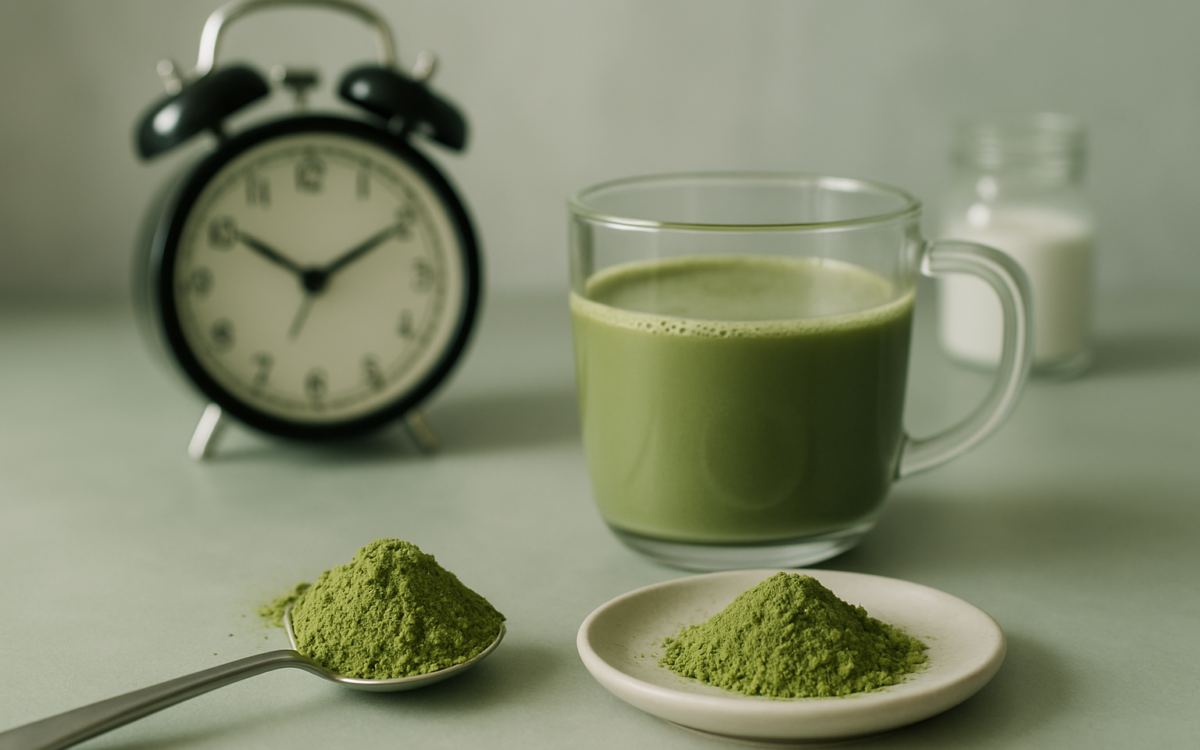
Matcha, a finely ground powder made from specially grown green tea leaves, has gained popularity not just for its vibrant green color but also for its unique flavor and health benefits. One of the most common questions regarding matcha is, “How much caffeine is in it?” Understanding the caffeine content, how it compares to other beverages like coffee, and what impact it can have on your health is essential for making informed choices about your drink.
The Basics of Caffeine in Matcha
Matcha contains caffeine, but the amount can vary depending on different factors, including the quality of the matcha, how it is prepared, and the serving size. On average, one teaspoon of matcha powder (about 2 grams) contains around 60 to 70 milligrams of caffeine. This is roughly equivalent to one cup of green tea.
For comparison, a typical 8-ounce cup of brewed coffee has about 80 to 100 milligrams of caffeine. It’s clear that matcha has less caffeine than coffee, but the presence of L-theanine, an amino acid found in matcha, plays an essential role in how you feel when consuming it.
How Matcha’s Caffeine Affects You
The experience of consuming caffeine from matcha is often described as different from that of coffee. The combination of caffeine and L-theanine can lead to a more balanced and sustained energy boost without the jitters that some people experience with coffee. L-theanine promotes relaxation and focus, creating a calm yet alert state. This makes matcha a popular choice for those looking to stay energized while minimizing anxiety linked to caffeine intake.
Factors Influencing Caffeine Content
Several factors can affect the caffeine content in matcha:
- Quality of Matcha: Higher-quality matcha typically has a higher caffeine content because it uses younger leaves, which are richer in compounds.
- Preparation Style: How you prepare your matcha can affect its caffeine levels. For instance, using more matcha powder or a smaller amount of water could increase caffeine concentration.
- Serving Size: The amount you consume directly influences caffeine intake. A larger serving will naturally contain more caffeine.
Because of these factors, it’s hard to provide a “one size fits all” answer regarding the caffeine content in your matcha drink. To understand better, consider looking at the specific brand’s information or your method of preparation.
Comparing Matcha and Other Popular Caffeinated Beverages
To better grasp how much caffeine is in matcha, let’s compare it to some other popular beverages:
- Regular Green Tea: An average cup of brewed green tea contains about 25 to 29 milligrams of caffeine, making matcha a stronger choice if you’re looking for an energy boost.
- Black Tea: An 8-ounce cup of black tea has about 47 to 90 milligrams of caffeine, placing matcha in a similar range.
- Decaf Coffee: While decaffeinated coffee has about 2 to 5 milligrams of caffeine, it’s significantly lower than matcha.
It’s evident that while matcha contains caffeine, it often offers a unique balance of effects that can be desirable for many individuals.
Health Benefits of Drinking Matcha
Beyond caffeine content, matcha has numerous health benefits that complement its energizing properties:
- Rich in Antioxidants: Matcha is high in antioxidants, particularly catechins, which can help combat oxidative stress and inflammation in the body.
- Boosts Metabolism: Some studies suggest that matcha can enhance metabolic rates, aiding in weight management alongside a balanced diet.
- Supports Mental Focus: The combination of caffeine and L-theanine in matcha aids concentration and cognitive function, making it a favored choice for studying or working.
These benefits, along with the caffeine content, make matcha a compelling addition to many people’s diets.
When to See a Doctor
If you are considering adding matcha to your routine and have concerns about caffeine intake, it’s important to consult your healthcare provider. This is especially true if you:
- Have a medical condition affected by caffeine, such as anxiety disorders, heart conditions, or hypertension.
- Are pregnant or breastfeeding, as caffeine intake should be monitored during these times.
- Experience unusual side effects when consuming caffeinated beverages, such as increased heart rate or insomnia.
Your doctor can provide personalized advice and ensure that your caffeine consumption is safe for your individual health circumstances.
Wrapping Up
In summary, matcha contains a moderate amount of caffeine, making it a great alternative to coffee for those looking for energy without the jitters. With added health benefits from its antioxidants and L-theanine, matcha is an excellent choice for drinkers looking to enhance their wellness. By staying informed about the caffeine content and aligning it with your personal health needs, you can enjoy matcha as a delightful and beneficial beverage.
