
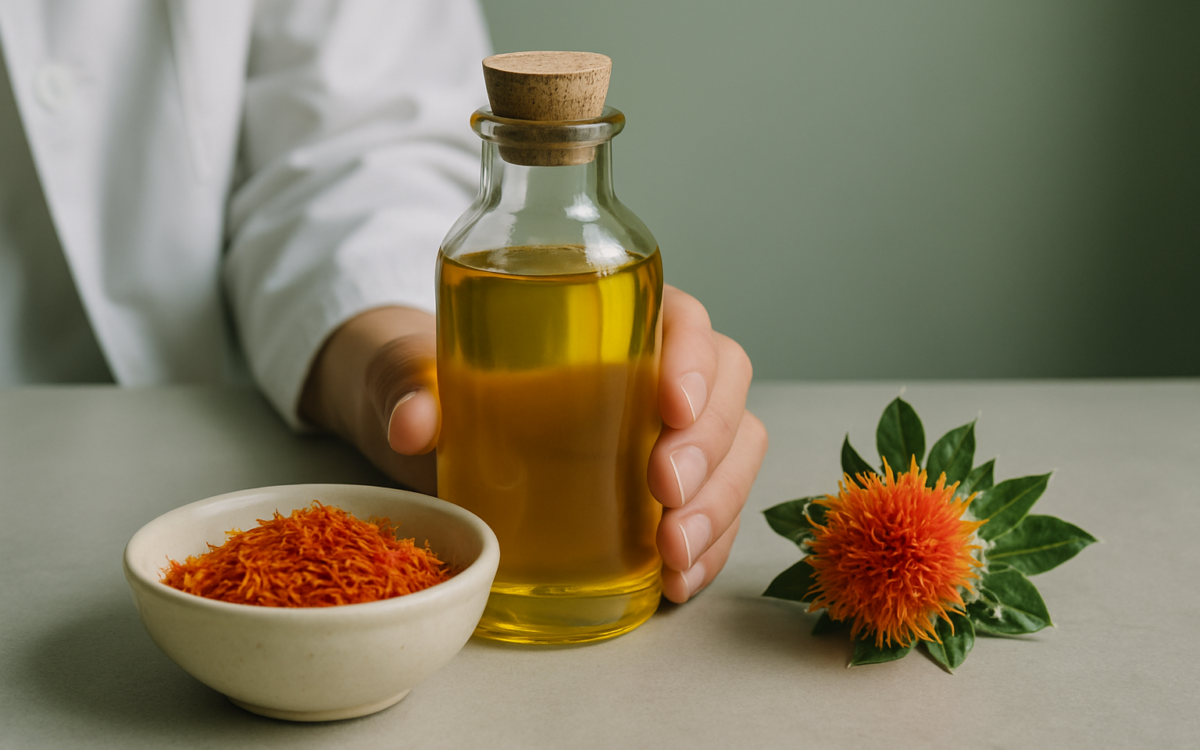
Safflower oil, derived from the seeds of the safflower plant, is a lesser-known gem in the world of cooking oils. With a mild flavor and high smoke point, it’s increasingly popular not just in kitchens but also in health discussions. From cooking to skin care, safflower oil is versatile and worth exploring for its potential health benefits.
What is Safflower Oil?
Safflower oil comes from the seeds of the Carthamus tinctorius plant, which is native to regions of Africa and Asia. Extracted using cold-pressing or heat techniques, this oil is rich in unsaturated fats, chiefly monounsaturated and polyunsaturated fatty acids. It’s these fats that make it an appealing option as a cooking oil and for health purposes.
Nutritional Profile of Safflower Oil
While it’s primarily known for its fat content, safflower oil also contains small amounts of vitamins E and K, and it has a favorable ratio of omega-6 fatty acids. Here’s a breakdown of its nutritional content per tablespoon (15 ml):
- Calories: 120
- Total Fat: 14 grams
- Monounsaturated Fat: 8 grams
- Polyunsaturated Fat: 4.5 grams
- Saturated Fat: 1 gram
- Vitamin E: 4.6 mg (about 24% of the daily recommended intake)
This balance of acids is what makes safflower oil an intriguing dietary addition, especially in cooking where healthier fat choices are desired.
Health Benefits of Safflower Oil
Safflower oil is more than just a cooking aid; research suggests it may offer several health benefits:
1. Heart Health
One of the most significant advantages of safflower oil is its potential to promote heart health. The high levels of unsaturated fats can help lower bad cholesterol (LDL) levels while increasing good cholesterol (HDL). Studies indicate that replacing saturated fats with healthier fats can reduce the risk of heart disease. Furthermore, research reflected in NIH shows that diets rich in unsaturated oils may lower the risk of cardiovascular events.
2. Anti-Inflammatory Properties
Some studies suggest that safflower oil may have anti-inflammatory properties, which can aid in chronic conditions like arthritis or other inflammatory disorders. The presence of linoleic acid, a major component of safflower oil, provides essential fatty acids important for reducing inflammation in the body.
3. Supports Skin Health
Due to its emollient properties, safflower oil is often used in skin care products. Its moisturizing effects can help hydrate skin, improve texture, and may even alleviate certain skin conditions. The vitamin E content plays a crucial role as it helps protect skin cells from damage.
4. Weight Management
Including safflower oil in a balanced diet might help with weight management. While it is high in calories, it is believed that the oil can also support fat loss, particularly when used in conjunction with exercise and a healthy diet. Some small studies suggest that safflower oil may contribute to reduces body fat and waist circumference.
Cooking with Safflower Oil
Safflower oil’s high smoke point (approximately 450°F or 232°C) makes it suitable for various cooking methods like frying, roasting, or sautéing. Its neutral flavor means it won’t overpower the dishes, making it a versatile option for everyday cooking.
When purchasing safflower oil, look for cold-pressed, organic options when possible, as they may retain more nutrients and flavor. As with any oil, moderation is key to integrating safflower oil into a balanced diet.
If you are considering seeking treatments or dietary strategies across international borders, resources like Acibadem International can provide information on holistic care and nutrition.
Potential Risks and Considerations
While safflower oil has many benefits, it is important to consider the overall dietary balance. Excessive intake of omega-6 fatty acids relative to omega-3s can lead to an imbalance, potentially promoting inflammation. Thus, ensure that your diet includes sources of omega-3s, such as fish, flaxseed, and walnuts, to maintain a healthy balance.
People with certain health conditions, especially those related to fat metabolism, or individuals who are pregnant or breastfeeding should consult their doctor before making significant changes to their diet.
When to See a Doctor
If you’re considering adding safflower oil significantly to your diet for specific health reasons or if you have underlying health conditions that could be affected by dietary fat intake, it’s best to consult your healthcare provider. Additionally, if you experience any adverse reactions after using safflower oil, seek medical advice.
Conclusion
Safflower oil is a versatile and health-promoting oil that can be a beneficial addition to your cooking and skincare routine. Its heart-healthy properties and potential for reducing inflammation make it an oil worth considering. With mindful usage and an eye on overall dietary balance, you can enjoy the flavors and benefits safflower oil brings to the table.
