
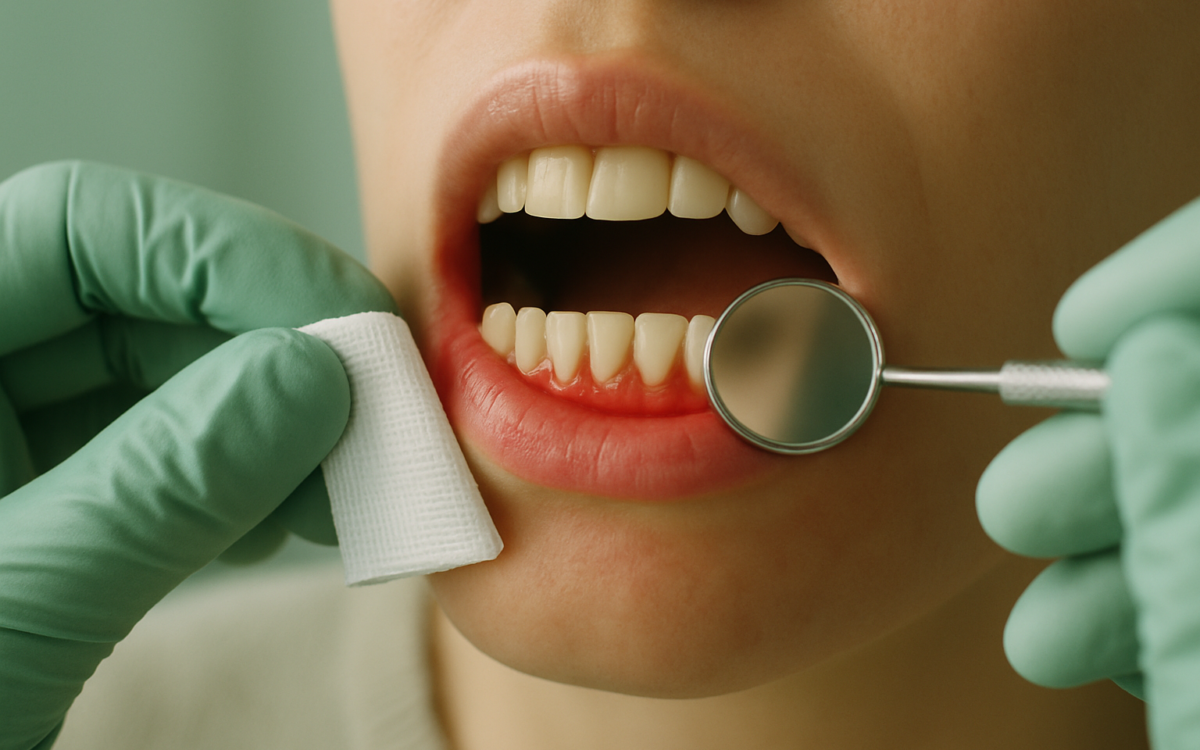
Inflamed gums, also known as gingivitis, is a common condition that can affect anyone at any age. This issue often leads to discomfort and can be a sign of underlying oral health problems. Understanding the causes, symptoms, and treatment options for inflamed gums is crucial for maintaining a healthy smile.
What Are Inflamed Gums?
Inflamed gums occur when the tissues surrounding your teeth become swollen, red, and tender. This condition is commonly caused by plaque buildup, a sticky film of bacteria, on the teeth. If not addressed, inflamed gums can progress to more severe gum diseases, such as periodontitis, which can ultimately lead to tooth loss.
Causes of Inflamed Gums
Several factors can lead to inflamed gums. The most common causes include:
- Poor Oral Hygiene: Not brushing or flossing regularly can result in plaque buildup, which irritates the gums.
- Smoking: Tobacco use can weaken your gums and make you more susceptible to gum disease.
- Hormonal Changes: Changes during puberty, menstruation, pregnancy, or menopause can make gums more sensitive.
- Medical Conditions: Diseases such as diabetes or autoimmune disorders can impact gum health.
- Medications: Certain drugs can reduce saliva flow, leading to dry mouth and increased plaque buildup.
Signs and Symptoms
Inflamed gums often present with noticeable signs. Common symptoms of this condition include:
- Swelling and redness of the gums
- Tenderness or pain during brushing or flossing
- Bleeding while eating, brushing, or flossing
- Persistent bad breath (halitosis)
- Gums that pull away from the teeth
If you experience any of these symptoms, it is essential to take action to prevent further deterioration of your dental health.
Prevention Tips for Healthy Gums
Preventing inflamed gums is often achievable through conscientious oral care. Here are some tips to keep your gums healthy:
- Brush Regularly: Brush your teeth at least twice a day with a fluoride toothpaste.
- Floss Daily: Flossing helps remove plaque and food particles from between the teeth and under the gumline.
- Visit the Dentist: Regular dental check-ups and cleanings can help catch problems early and keep your gums healthy.
- Eat a Balanced Diet: A diet rich in fruits, vegetables, and whole grains supports overall oral health.
- Limit Sugary Snacks: Sugar can promote bacteria growth that leads to plaque buildup.
Treatment Options for Inflamed Gums
If you have inflamed gums, several treatment options are available. Early intervention is critical for a better outcome. Here are some common approaches:
- Professional Cleaning: Dental hygienists can remove plaque and tartar from your teeth, reducing inflammation.
- Antimicrobial Rinses: Mouthwashes containing chlorhexidine can help reduce plaque and kill bacteria.
- Scaling and Root Planing: This deep-cleaning procedure is performed by a dentist to remove plaque from below the gumline.
- Gum Surgery: In severe cases, surgical intervention may be necessary to restore gum health.
- International Treatment Options: If you are considering dental treatments abroad, facilities like those that offer international patient services can provide high-quality care at competitive prices.
Adopting a proactive approach to oral health can significantly improve the condition of your gums.
Home Remedies to Soothe Inflamed Gums
While professional care is essential for treating inflamed gums, some home remedies can provide relief:
- Warm Salt Water Rinse: Rinsing with warm salt water can help reduce swelling and kill bacteria.
- Cold Compress: Applying a cold pack to your cheeks can ease pain and swelling.
- Tea Tree Oil: This natural antiseptic may help combat inflammation. Dilute it with a carrier oil before use.
- Aloe Vera: Aloe vera gel can have soothing properties and may help heal inflamed gums.
Remember, these remedies should complement professional treatment, not replace it.
When to See a Doctor
If your inflamed gums do not improve with good oral hygiene or if you notice severe swelling, persistent bleeding, or unbearable pain, it is crucial to consult a dentist. Early intervention can prevent more serious complications and ensure your teeth and gums remain healthy.
Inflamed gums are a common but treatable issue. By understanding the causes and taking proactive steps to maintain oral health, you can enjoy a healthier smile and avoid more serious dental problems in the future.
