
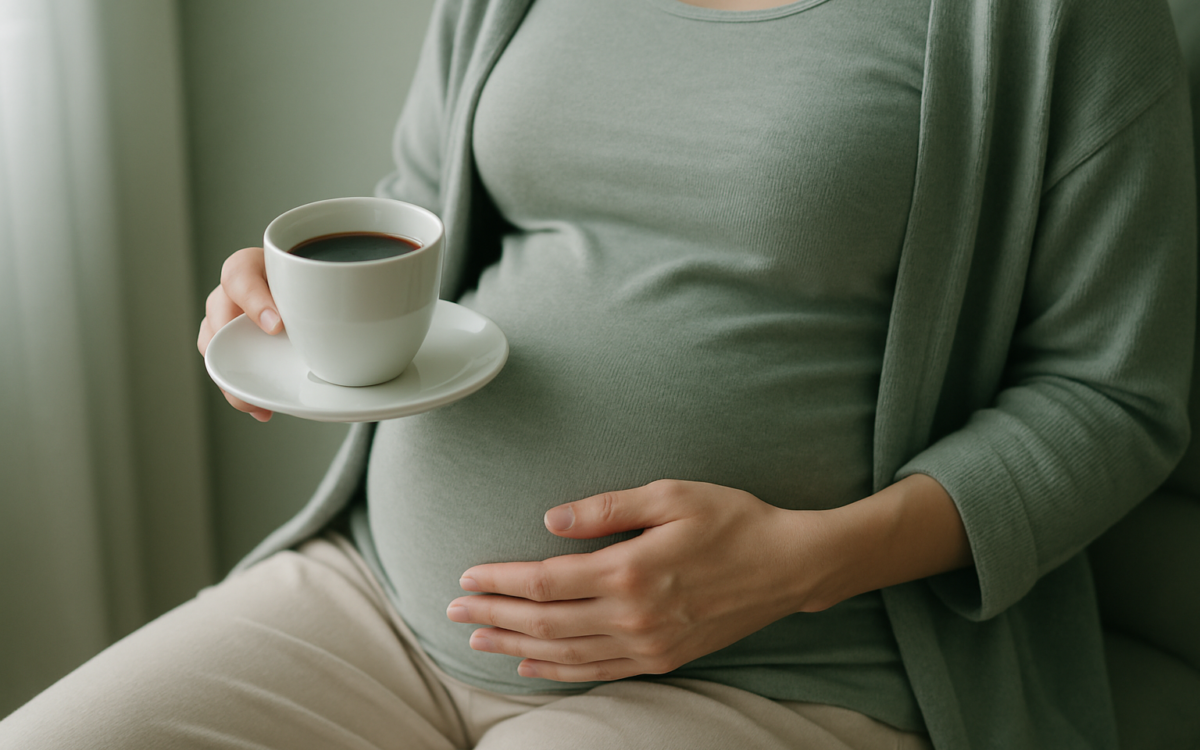
Pregnancy comes with a lot of joy and excitement, but it can also spark endless questions about what you can and cannot consume. One of the most common concerns revolves around coffee and caffeine. If you love your morning cup of joe, you might be wondering if decaffeinated coffee is a safe option during pregnancy. Let’s dive into the details.
Understanding Caffeine and Its Effects
Caffeine is a stimulant found in many beverages and foods, including coffee, tea, sodas, and chocolate. According to the National Institutes of Health, caffeine can cross the placenta and affect fetal development. Pregnant women are often advised to limit their caffeine intake due to its potential effects on pregnancy outcomes, such as low birth weight and preterm birth.
Decaf Coffee: What Is It?
Decaffeinated coffee, or decaf, is made from coffee beans that have had most of their caffeine removed. While decaf does contain some caffeine, typically about 2 to 5 mg per 8-ounce serving compared to about 95 mg in a regular cup, it is still significantly lower. Many pregnant women find decaf an acceptable compromise for enjoying the taste of coffee without the higher caffeine levels.
Is Decaf Coffee Safe During Pregnancy?
Most health experts believe that moderate consumption of decaffeinated coffee is safe during pregnancy. The Centers for Disease Control and Prevention (CDC) notes that while it’s best to minimize caffeine intake, the low caffeine content in decaf coffee is unlikely to pose significant risks. However, it’s essential to keep track of your overall caffeine consumption during the day, as other beverages and foods may also contribute.
Potential Benefits of Decaf Coffee
There are some benefits associated with drinking decaf coffee during pregnancy, including:
- Satisfaction of cravings: If you enjoy the taste of coffee, decaf can allow you to indulge safely.
- Antioxidants: Decaf coffee contains antioxidants that may help combat oxidative stress in the body.
- Social engagement: Enjoying decaf can provide a sense of normalcy during social gatherings where others are drinking caffeinated beverages.
How Much Decaf Coffee Is Too Much?
While decaf is relatively low in caffeine, it’s crucial to stay within recommended limits. Most experts advise pregnant women to limit caffeine intake to about 200 mg per day. For decaf coffee drinkers, this means you would need to be mindful of other sources of caffeine you may consume throughout the day.
Here are some guidelines to consider:
- Check labels on decaf coffee products for caffeine content.
- Account for other caffeine sources such as tea, chocolate, and soft drinks.
- Stay hydrated and prioritize other healthy beverages, such as water, herbal teas, and smoothies.
When to Consult Your Doctor
Every pregnancy is unique, and it’s always a good idea to consult your healthcare provider about your diet, including decaf coffee. If you experience any concerning symptoms like headaches, increased heart rate, or digestive issues after consuming decaf, be sure to reach out to your doctor. Additionally, if you have any underlying health conditions or complications during your pregnancy, it’s important to have a tailored discussion about your caffeine consumption.
Conclusion
Decaf coffee can be a safe choice for most pregnant women looking to enjoy coffee while being mindful of caffeine intake. As with everything during pregnancy, moderation is key. Keep track of your overall caffeine consumption, and don’t hesitate to consult your healthcare provider with any concerns. Staying informed is part of having a healthy pregnancy. Enjoy your cup of decaf, and savor that comforting flavor!
