
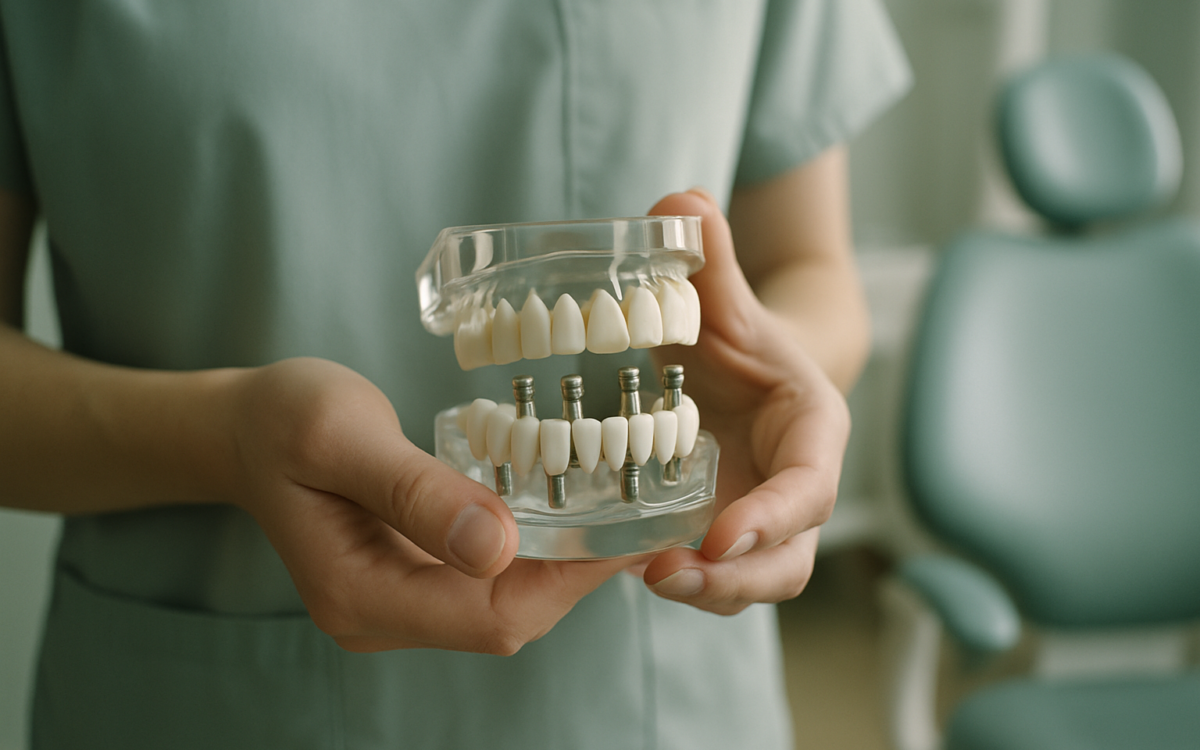
For many people facing tooth loss, the quest for a permanent solution can feel overwhelming. One innovative approach gaining traction in the world of dentistry is the All-on-Four dental implant technique. This method not only provides a functional bite but also restores the aesthetic of a full set of teeth with minimal dental implants.
What is All-On-Four Dental Implant Procedure?
The All-on-Four dental implants are a type of prosthetic system that utilizes only four strategically placed implants to support a complete dental arch. Unlike traditional options, which often require more implants and more surgical procedures, this technique makes it possible to attach a full set of artificial teeth using just four implants. This innovative approach is particularly beneficial for patients with significant tooth loss or deterioration.
How Does the Procedure Work?
The procedure typically involves the following steps:
- Initial Consultation: You’ll first meet with a dentist who specializes in implants. This visit will include a thorough examination, where your mouth structure will be assessed, and imaging techniques may be used to evaluate bone density.
- Surgery: Under local anesthesia, four titanium implants are inserted into the jawbone at specific angles, maximizing stability and supporting the entire arch of teeth.
- Temporary Teeth: Often, you’ll receive a temporary set of teeth immediately after the surgery, allowing you to regain functionality and aesthetics during the healing process.
- Final Prosthetic: After a healing period of several months, during which the implants fuse with the bone, a permanent set of teeth is crafted and securely attached to the implants.
Benefits of All-On-Four Dental Implants
The All-on-Four system offers numerous benefits:
- Reduced Surgical Time: With only four implants needed, the surgical process is quicker, minimizing time spent in the dental chair.
- Less Bone Grafting: Since the implants are positioned in areas with the most bone density, many patients avoid the need for bone grafting, which can add time and complexity to traditional implant procedures.
- Faster Recovery: Recovery time can be shorter because the healing process is often simplified due to fewer implants.
- Cost-Effective: Over time, All-on-Four implants can be more cost-effective than traditional dentures or complete implants, given their longevity and functionality.
The Healing Process
After the placement of your All-on-Four implants, your body will begin the process of osseointegration, where the implants fuse with your jawbone. This process can take anywhere from 3 to 6 months. During this time, following your dentist’s aftercare instructions is crucial to ensure proper healing. Common care tips include:
- Maintaining oral hygiene by brushing and flossing carefully.
- Regular follow-up visits with your dentist to monitor the healing process.
- Avoiding hard or sticky foods during the initial healing phase.
Potential Risks and Considerations
As with any surgical procedure, there are potential risks involved with All-on-Four dental implants:
- Infection: As with any surgery, there is a risk of infection at the implant site.
- Implant Failure: In some cases, implants may not properly fuse with the bone, leading to potential failure of the dental prosthetic.
- Nerve Damage: The placement of implants requires careful planning to avoid damaging nerves in the jaw.
Discussing these risks and ensuring you have realistic expectations with your dental professional before proceeding is essential. For more information on dental implant risks, you can visit the Mayo Clinic.
When to See a Doctor
If you experience any of the following symptoms after receiving All-on-Four implants, it’s important to contact your dentist promptly:
- Persistent pain that doesn’t subside after a few days.
- Swelling or redness around the implant site that increases rather than decreases.
- Signs of infection, such as fever or unusual discharge.
Conclusion
The All-on-Four dental implant technique represents a significant advancement in restorative dentistry, making tooth replacement more accessible and efficient for many patients. By understanding what the procedure entails, its benefits, and how to care for your new implants, you can make an informed decision that best suits your oral health needs. Always consult with a qualified dental professional to explore your options and determine if All-on-Four dental implants are right for you.
