
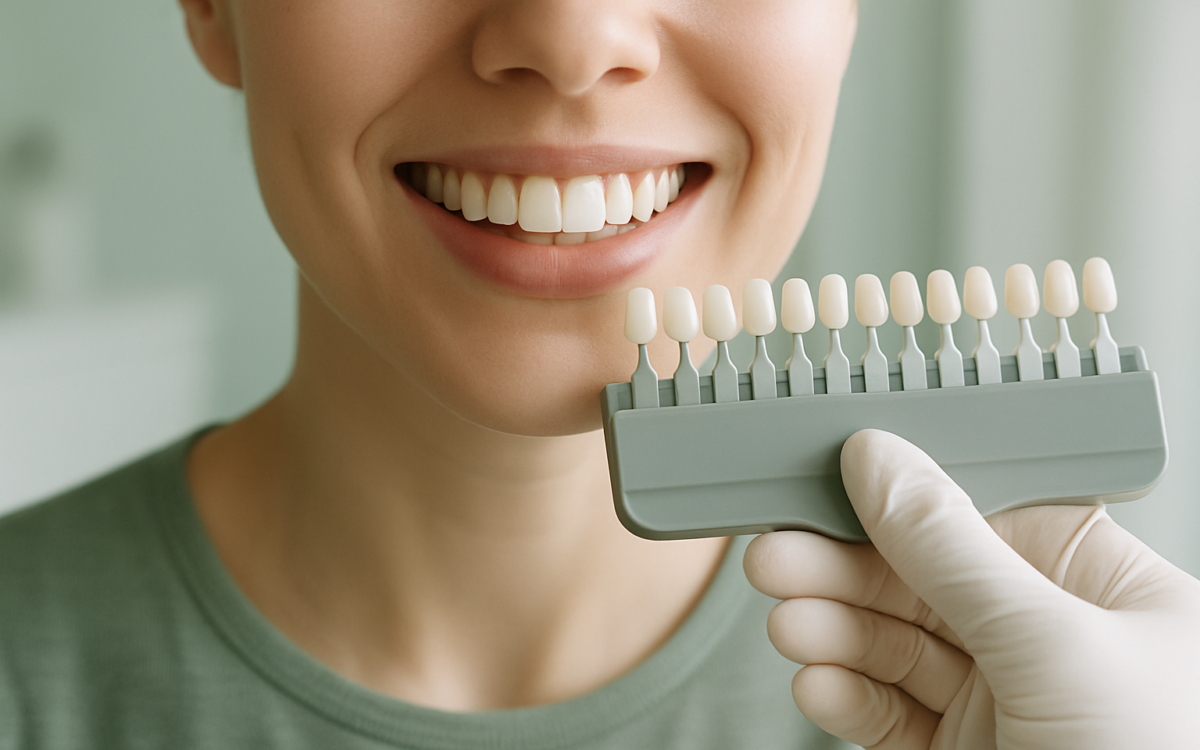
Many people dream of a bright, white smile. It can boost your confidence and leave a lasting impression. But how do you achieve and maintain white teeth in a world full of foods and habits that can stain them? In this article, we’ll explore the causes of tooth discoloration, available whitening methods, preventative tips, and how to keep your smile sparkling for years to come.
Understanding Tooth Discoloration
Before diving into remedies and solutions, it’s important to understand why teeth can become discolored in the first place. Several factors contribute to the dulling of your smile:
- Diet: Foods and drinks like coffee, tea, red wine, and certain berries are notorious for staining teeth. Acids can also wear down enamel, making teeth appear more yellow.
- Tobacco Use: Smoking or chewing tobacco can not only cause yellowing but can also lead to more serious oral health issues.
- Age: As you age, the outer enamel layer of your teeth naturally wears down, exposing the underlying dentin, which is yellowish in color.
- Genetics: Some people are genetically predisposed to have thicker or more translucent enamel, affecting the overall appearance of their teeth.
- Poor Oral Hygiene: Inadequate brushing and flossing can lead to plaque buildup and discoloration over time.
Whitening Methods: What Are Your Options?
There are several methods for whitening teeth, but not all are equally effective or safe. Here’s a breakdown:
1. Professional Whitening Treatments
One of the most effective ways to whiten teeth is through professional whitening treatments provided by a dentist. These treatments often involve stronger whitening agents than those available over the counter. They can yield quick and noticeable results. In-office whitening typically involves a bleaching agent applied to the teeth, often heated or light-activated to enhance the effect. For more information on dental care and professional whitening, visit the Mayo Clinic.
2. Over-the-Counter Solutions
If you’re not keen on professional whitening, several over-the-counter products can help brighten your smile. These include:
- Whitening Toothpaste: These contain mild abrasives and chemical agents to help remove surface stains. While they may not lead to drastic changes, they can keep your teeth looking brighter.
- Whitening Strips: Thin, flexible plastic strips coated with a whitening gel. They can be effective for superficial stains, but you need to follow the instructions carefully.
- Whitening Kits: These often include customized trays and a less concentrated bleaching gel that you can use at home over a specified period.
3. Natural Remedies
If you prefer a more natural approach, several home remedies might help, though their effectiveness can vary:
- Baking Soda and Hydrogen Peroxide: A paste made from these two ingredients can help remove surface stains. Use it in moderation, as excessive use can lead to enamel erosion.
- Apple Cider Vinegar: Known for its antibacterial properties, apple cider vinegar is sometimes used as a mouthwash to help whiten teeth, but like baking soda, it can be abrasive, so use it sparingly.
- Fruits and Vegetables: Crunchy fruits and vegetables like apples, carrots, and strawberries can naturally clean teeth and enhance their whiteness.
Preventing Staining: Daily Practices for a Bright Smile
Once you’ve achieved your desired level of whiteness, maintaining it is crucial. Here are some tips to help keep your teeth looking their best:
- Regular Brushing and Flossing: Brushing twice a day and flossing daily removes plaque and helps prevent staining.
- Rinse After Eating: If you consume staining foods or drinks, rinse your mouth with water to minimize staining potential.
- Limit Staining Foods: Be mindful of how often you consume tooth-staining foods and beverages. Moderation can help preserve your white smile.
- Regular Dental Visits: Routine cleanings and check-ups allow your dentist to professionally clean your teeth and monitor your oral health. For more tips on oral hygiene, check out the CDC.
When to See a Doctor
If you notice persistent discoloration or changes in your teeth, it’s wise to consult a dentist. They can diagnose any underlying issues that may cause discoloration and suggest appropriate treatments.
Conclusion
A bright smile with white teeth can enhance your confidence and overall appearance. Understanding the factors that contribute to dental discoloration and exploring various whitening options can lead you toward achieving your desired smile. With diligent care and good oral hygiene practices, you can maintain the brightness of your teeth for years to come.
