
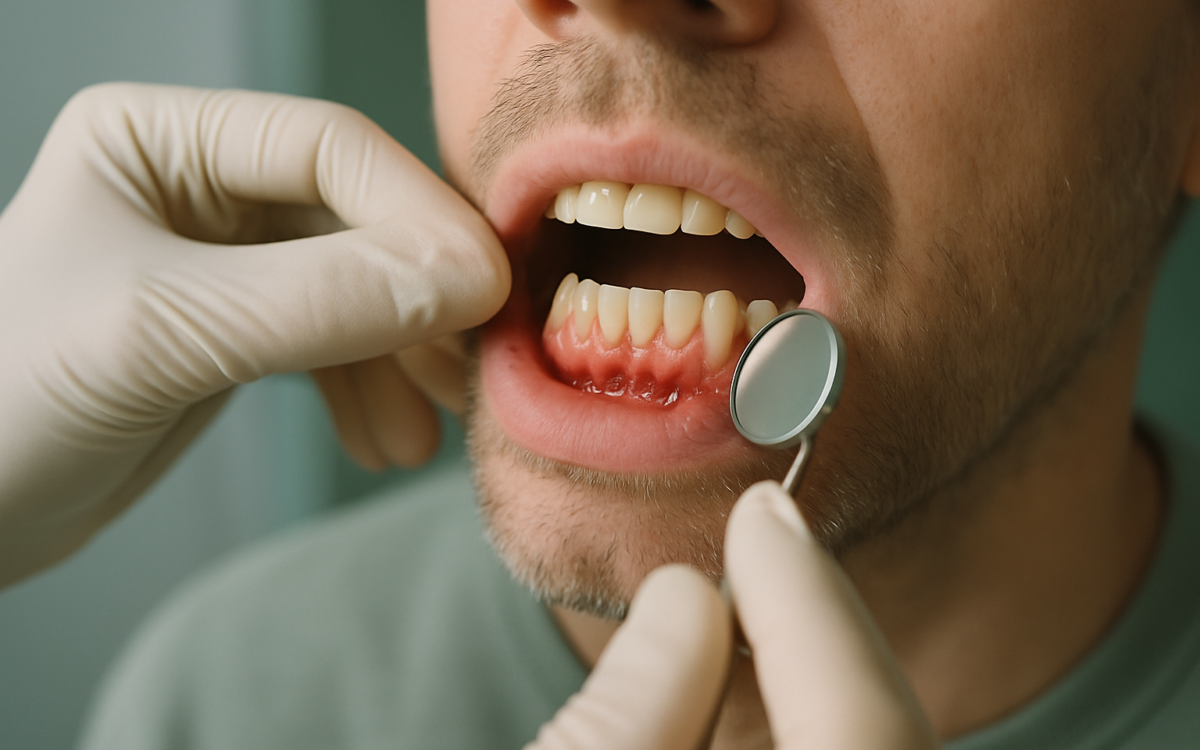
Oral health is an essential aspect of overall well-being, but many of us tend to overlook it until we encounter problems. One common issue that can arise is infected gums, which, if left untreated, can lead to significant complications and discomfort. Understanding what infected gums are, their causes, symptoms, and treatment options can empower you to take charge of your dental health.
What are Infected Gums?
Infected gums, also known as gingivitis or periodontal disease, occur when bacteria in the mouth build up and lead to inflammation. Gums that are infected can cause not only discomfort and bad breath but also tooth loss if not treated properly. The disease progresses in stages, starting with gingivitis, which is milder, and can advance to periodontitis, leading to more serious gum and bone issues.
Common Causes of Infected Gums
Understanding the root causes of infected gums can help you take preventive measures. Here are the most common causes:
- Poor Oral Hygiene: Inadequate brushing and flossing can allow plaque to form on your teeth, which can harden into tartar and lead to gum infection.
- Tobacco Use: Smoking and other forms of tobacco can harm gum tissue and decrease blood flow to your gums, making them more susceptible to infection.
- Hormonal Changes: Factors like pregnancy, menstruation, and menopause can affect gum health and make gums more vulnerable to infection.
- Medical Conditions: Certain diseases such as diabetes and autoimmune disorders can negatively affect gum health.
- Medications: Some medications can reduce saliva flow, leading to dry mouth and increased risk for gum infections.
Signs and Symptoms of Infected Gums
Recognizing the signs and symptoms of infected gums early can help you seek appropriate treatment. Look out for:
- Red, swollen, or bleeding gums
- Painful or tender gums
- Persistent bad breath
- Loosened teeth
- Changes in bite or fit of dentures
If you notice any of these symptoms, it is crucial to consult a dental professional for a proper diagnosis.
Preventing Gum Infections
Prevention is always better than cure. Here are essential tips to maintain healthy gums and prevent infections:
- Practice Good Oral Hygiene: Brush your teeth at least twice a day and floss daily to remove food particles and plaque.
- Regular Dental Check-Ups: Schedule routine visits to your dentist for cleanings and check-ups to identify potential problems early.
- Eat a Balanced Diet: Consume foods rich in vitamins and minerals, especially vitamin C, which is vital for gum health.
- Avoid Tobacco: Quitting smoking and reducing tobacco use can significantly lower your risk of gum disease.
Treatment Options for Infected Gums
If you have been diagnosed with infected gums, there are various treatment options available depending on the severity of the condition:
- Professional Cleaning: Your dentist may perform a cleaning to remove plaque and tartar buildup that regular brushing can’t reach.
- Antibiotics: In some cases, antibiotics may be prescribed to help eliminate the infection.
- Surgical Treatments: Advanced gum disease may require surgical interventions to restore gum health.
It is crucial to follow your dentist’s recommendations for treatment and maintain excellent oral hygiene afterwards.
When to See a Doctor
It is essential to seek medical attention if you experience any of the following:
- Persistent gum bleeding
- Severe tooth pain
- Symptoms that worsen despite good oral hygiene
Ignoring these symptoms could lead to more severe complications, including tooth loss. Early intervention is key.
Conclusion
Infected gums are more than just an oral nuisance; they can lead to severe complications if not addressed. Understanding the causes, recognizing the symptoms, and taking proactive steps can help prevent gum disease. If you suspect you have infected gums, please consult a dental professional to ensure a healthy smile for years to come.
For further reading, you may find more information on gum disease from reputable sources such as the Mayo Clinic or the CDC.
