
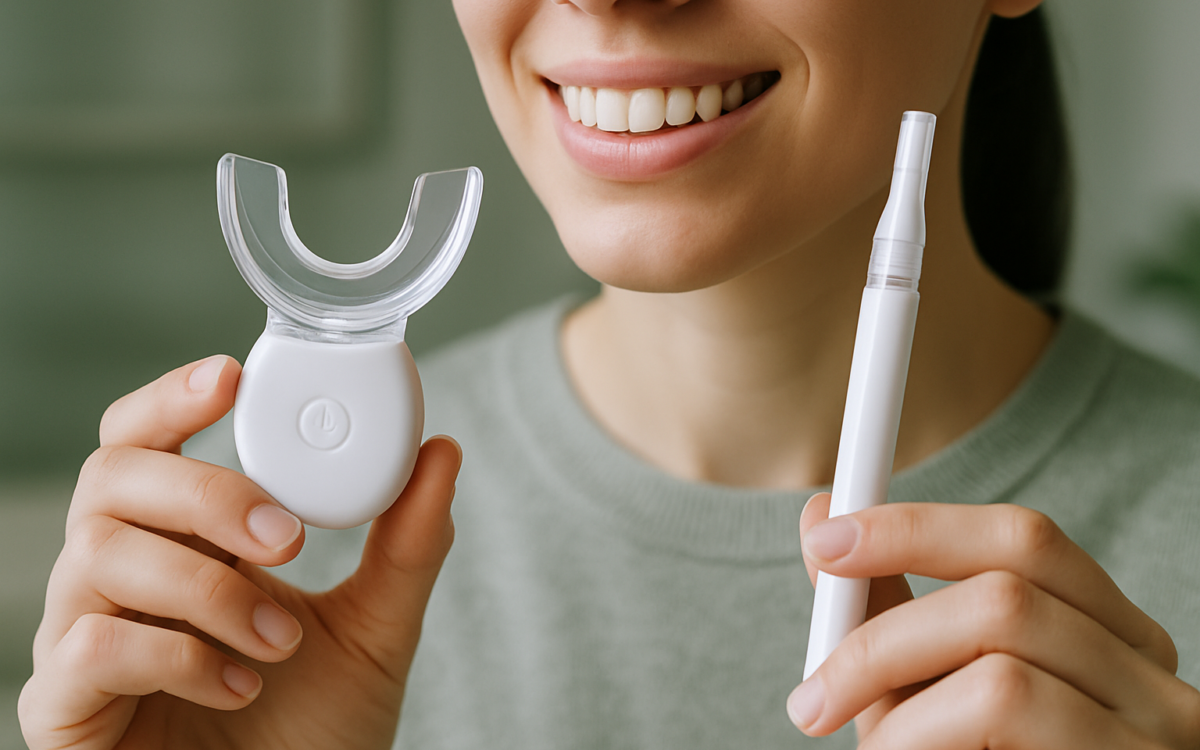
There’s nothing quite like a bright smile to boost your confidence. Many people turn to white teeth whitening kits to help enhance their pearly whites. But with so many options available, it’s important to understand how these kits work, their safety, and what you should consider before diving in. This article aims to guide you through the world of at-home teeth whitening, helping you make an informed decision.
Understanding Teeth Whitening Kits
Teeth whitening kits usually contain peroxide-based bleaching agents that lighten the color of your teeth. The process involves penetrating the enamel, breaking down stains that typically develop over time from food, drinks, or smoking.
There are different types of whitening kits, including:
- Pens: Typically, these are fast-acting and easy to use. They are portable and great for quick touch-ups.
- Strips: Thin, flexible strips coated with a whitening gel. They adhere to your teeth, and many provide effective results over a few days to weeks.
- Trays: These kits include a tray that you fill with gel and place over your teeth. Customizable trays that fit your mouth are typically more effective but may be more expensive.
Regardless of what type you choose, understanding the ingredients and how they function is crucial for a safe experience.
Safety Considerations When Using Whitening Kits
While many people find great success with whitening kits, safety is key. Here are some things to keep in mind:
- Follow Instructions: Always adhere to the guidelines provided with your kit. Overusing whitening products can lead to sensitive teeth and irritation of the gums.
- Consult Your Dentist: It’s wise to consult your dentist before starting any whitening treatment, especially if you have existing dental issues or wear braces.
- Choose FDA-Approved Products: Ensure the products you choose have been approved by a regulatory body. For information on approved treatments, you can reference the FDA website.
Being conscious of potential side effects can help you avoid unnecessary discomfort and keep your smile bright and healthy.
Effects of Whitening Kits on Dental Health
Whitening kits can yield fantastic results, but they aren’t for everyone, and there are some long-term effects to consider. Here are a few:
- Tooth Sensitivity: Some users experience increased sensitivity, which can occur during or after treatment. If you notice this, consider using a toothpaste designed for sensitive teeth.
- Gum Irritation: Overuse or improper application can lead to gum irritation. Rinse your mouth thoroughly afterward to help soothe any irritation.
- Enamel Erosion: Excessive use of bleaching products can weaken enamel over time. Protect your enamel by restricting use to recommended periods.
According to the Mayo Clinic, it’s essential to balance aesthetics with the health of your teeth. If you’re unsure about the impact on your oral health, consult with a dental professional.
Natural Alternatives to Whitening Kits
If you’re hesitant about commercial teeth whitening kits, you might consider natural alternatives. While they may not always result in the same level of whiteness, they can still help enhance your smile safely:
- Baking Soda: This is a mild abrasive that can help scrub away surface stains.
- Hydrogen Peroxide: Mixed with baking soda, it can provide a whitening effect. However, use it with caution: overly concentrated solutions may cause sensitivity.
- Apple Cider Vinegar: Though acidic, some people find it useful for removing stains, but it should be used sparingly due to its erosive potential.
Natural alternatives often require more time and consistency, but they provide an option for those wary of harsh chemicals.
Maintaining Your Bright Smile
Once you’ve achieved your desired level of whiteness, maintaining it will be crucial. Here are some tips to keep that smile shining:
- Good Oral Hygiene: Regular brushing and flossing are essential to prevent the build-up of stains and maintain gum health.
- Watch What You Eat: Limit foods and drinks that can cause staining, such as coffee, red wine, and blueberries, especially immediately after whitening.
- Regular Dental Checkups: Regular visits to your dentist can help monitor your dental health and keep your smile in top condition.
Your dental professional can provide personalized advice tailored to your situation and needs.
When to See a Doctor
If you experience prolonged sensitivity, severe gum irritation, or any adverse reactions after using a whitening kit, it’s important to consult with a dentist. They can evaluate your situation and recommend suitable alternatives or treatments.
Finally, remember that while brightening your smile is a great goal, your dental health should always come first. With the right approach, you can enjoy the benefits of white teeth while ensuring they remain healthy.
