
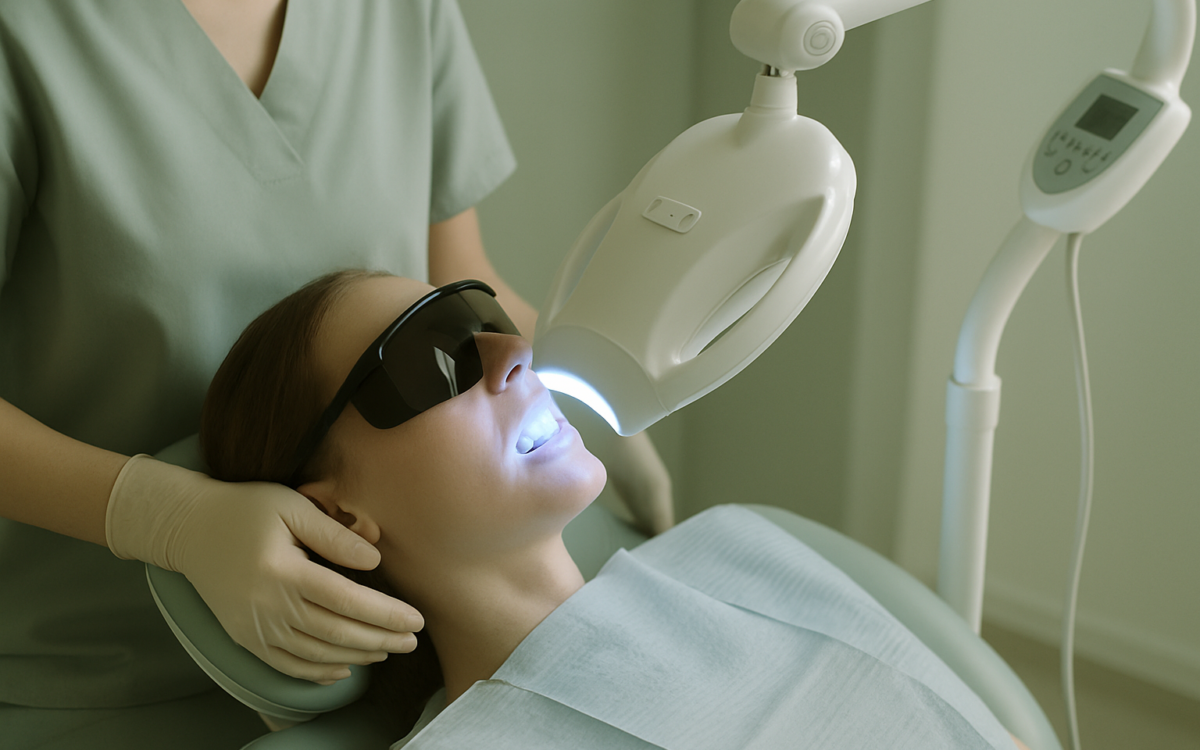
When it comes to enhancing your smile, few options are as effective as in-office teeth whitening. This professional treatment is designed to lighten the color of your teeth and reduce discoloration, giving you a bright, confident smile. In this article, we will explore the benefits, procedures, costs, and factors to consider when opting for in-office teeth whitening.
What Is In-Office Teeth Whitening?
In-office teeth whitening is a cosmetic dental procedure performed by professionals, typically in a dental office or clinic. It usually involves the application of a bleaching agent, commonly hydrogen peroxide or carbamide peroxide, which breaks down stains and discolors in the enamel and dentin layers of your teeth.
Why Choose In-Office Whitening?
Many people choose in-office whitening for its convenience and effectiveness. Here are some reasons:
- Speed: Most in-office treatments can be completed in just one visit, usually lasting about an hour.
- Safety: Dental professionals have training in properly applying whitening agents, reducing the risk of gum irritation or other side effects.
- Immediate Results: You can often see results immediately after your first treatment, providing a quick boost to your appearance.
What to Expect During the Procedure
The in-office teeth whitening process typically involves several steps:
- Consultation: Your dentist will assess your oral health, discuss your goals, and determine if you’re a good candidate for whitening.
- Preparation: The dentist will clean your teeth to remove plaque and debris. They may also apply a protective barrier to your gums.
- Application: The whitening gel is applied to your teeth and activated with a special light or laser, depending on the technique used.
- Rinse and Evaluate: After the designated time, the gel is removed, and your dentist will evaluate the results, which may lead to an additional application.
Possible Side Effects
While in-office teeth whitening is generally safe, some people may experience side effects. These may include:
- Tooth Sensitivity: Some patients feel temporary sensitivity during or after the procedure.
- Gum Irritation: The whitening agent can irritate soft tissues in the mouth, but this is usually short-lived.
If you experience prolonged sensitivity or discomfort, it is important to speak with your dentist. For further details on oral health, you can refer to the National Institutes of Health.
The Cost of In-Office Teeth Whitening
The cost of in-office teeth whitening can vary significantly depending on several factors, including:
- Location: Prices may differ between cities and states.
- Technique: The method used (e.g., light-activated vs. tray whitening) can affect the price.
- Dental Practice: Each dental office sets its pricing based on overhead costs and the services they offer.
On average, you can expect to pay anywhere from $300 to $1,000 for in-office teeth whitening. It’s wise to consult with your dentist about what options fit your budget and needs.
How Long Do Results Last?
The longevity of in-office whitening results largely depends on your oral habits:
- Diet: Foods and beverages like coffee, tea, red wine, and dark berries can stain teeth.
- Dental Hygiene: Maintaining good oral hygiene habits helps prolong the whiteness of your teeth.
- Smoking: Tobacco use can significantly affect the color of your teeth.
With good care, you can expect your results to last anywhere from one to three years. Regular touch-ups can help maintain a bright smile.
Alternative Whitening Options
If in-office whitening is not for you, there are alternative options, such as:
- At-Home Whitening Kits: These include whitening strips, gels, and trays that you can use at home.
- Whitening Toothpaste: Certain toothpaste can help reduce surface stains.
While these methods can lighten teeth, they may not provide the same immediate or dramatic results as in-office treatments.
When to See a Doctor
If you are considering in-office teeth whitening, consult with your dentist first. It’s essential to ensure that your teeth and gums are healthy before undergoing any whitening procedure. If you experience severe dental issues or sensitivities, seek professional guidance.
Conclusion
In-office teeth whitening is a popular and effective solution for anyone wanting to brighten their smile. Understanding the process, potential side effects, costs, and maintenance can help you make an informed decision. Always consult with your dental provider to determine the best course of action for your individual needs.
