
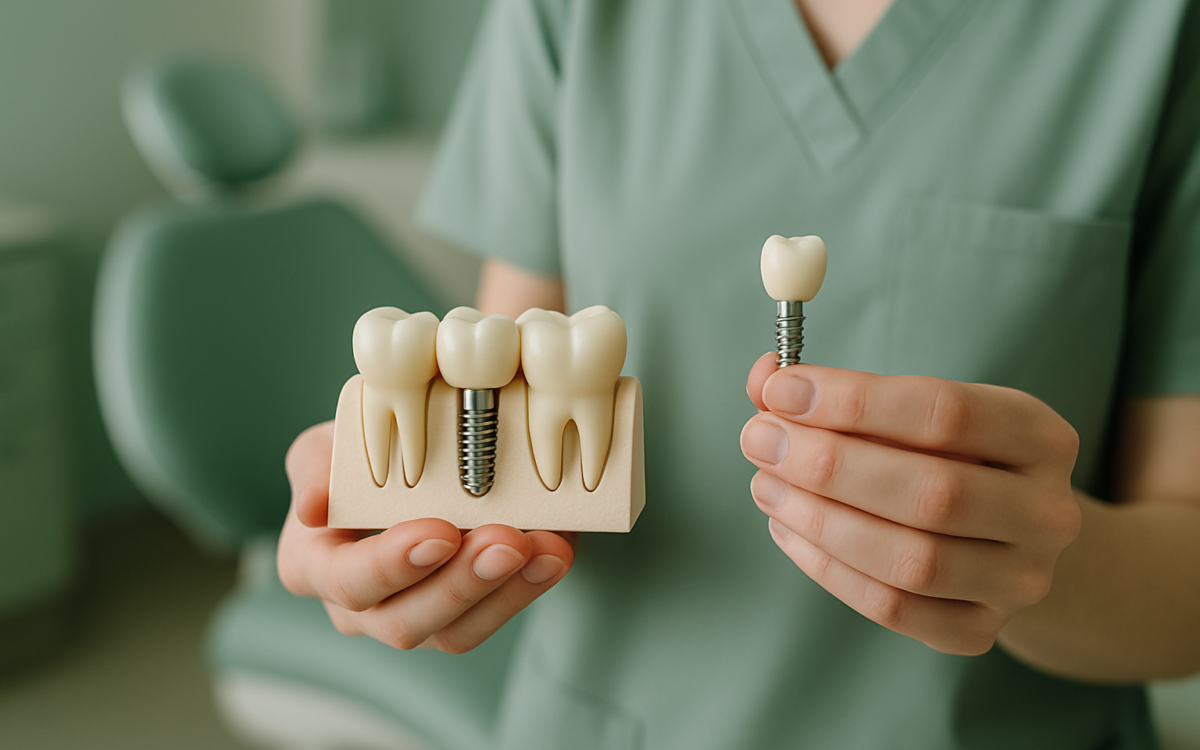
For many people, losing a tooth can be a life-changing event. It not only affects appearance but can also lead to difficulties in eating and speaking. Thankfully, dental implants have emerged as a reliable solution for restoring lost teeth. They offer not just a natural appearance but also improved functionality. In this article, we will explore what dental implants are, the benefits they provide, the procedure involved, and what you should consider before opting for them.
What are dental implants?
Dental implants are artificial tooth roots made from biocompatible materials, such as titanium. They are surgically placed in the jawbone and act as a sturdy base for replacement teeth, known as crowns. The procedure typically involves a few steps, including the placement of the implant, the healing process, and finally, the attachment of the crown.
Benefits of dental implants
- Natural appearance: Dental implants closely resemble natural teeth, making them an aesthetically pleasing choice.
- Improved function: Unlike dentures, which may slip or create discomfort, implants allow you to bite and chew food easily.
- Enhanced comfort: Once healed, dental implants become part of your bone structure, eliminating the irritation often associated with dentures.
- Long-lasting solution: With proper care, dental implants can last a lifetime, making them a cost-effective option in the long run.
Who is a good candidate for dental implants?
Not everyone is a suitable candidate for dental implants. Ideal candidates should have:
- Good overall health
- Healthy gums and sufficient jawbone density
- A commitment to maintaining oral hygiene
If you have specific health conditions, such as uncontrolled diabetes or a history of smoking, it is essential to consult your dental provider. They can assess your individual situation and guide you on the best options for you.
The dental implant procedure
Step 1: Initial consultation
During your first visit, your dentist will conduct a thorough examination. This might include X-rays and possibly 3D images to evaluate the bone structure and determine the best placement for the implants.
Step 2: Implant placement
The next step involves placing the implant into the jawbone. This procedure is typically done under local anesthesia, ensuring comfort throughout. After placement, it can take several months for the implant to fuse with the bone in a process called osseointegration.
Step 3: Abutment placement
Once the implant is securely integrated with the jawbone, an abutment is placed on top. This acts as a connector between the implant and the crown.
Step 4: Crown placement
The final step involves placing a custom-made crown on the abutment, restoring the appearance and function of your tooth. This crown will feel and look very much like your natural teeth.
Aftercare for dental implants
After receiving your dental implants, it’s essential to follow your dentist’s aftercare instructions. Here’s what you should keep in mind:
- Maintain excellent oral hygiene to prevent infection. Brushing and flossing daily are crucial.
- Attend regular check-ups to monitor the health of the implants.
- Avoid hard or sticky foods until your dentist advises you otherwise.
Possible risks and complications
While dental implants are considered safe, like any surgical procedure, they carry potential risks. Some complications include:
- Infection at the implant site
- Nerve damage, leading to pain or numbness
- Sinus problems, especially with upper jaw implants
Most of these issues can be managed with proper care and a skilled technician.
When to see a doctor
If you experience persistent pain, swelling, or signs of infection after receiving dental implants, it’s crucial to consult your dentist immediately. Early intervention can prevent more severe complications.
In conclusion, dental implants represent a remarkable advancement in dental technology, offering an effective solution for tooth loss. By understanding the benefits, procedure, and care involved, you can make an informed decision and restore your smile with confidence. Remember to discuss any concerns with your dental provider to ensure the best possible outcome.
