
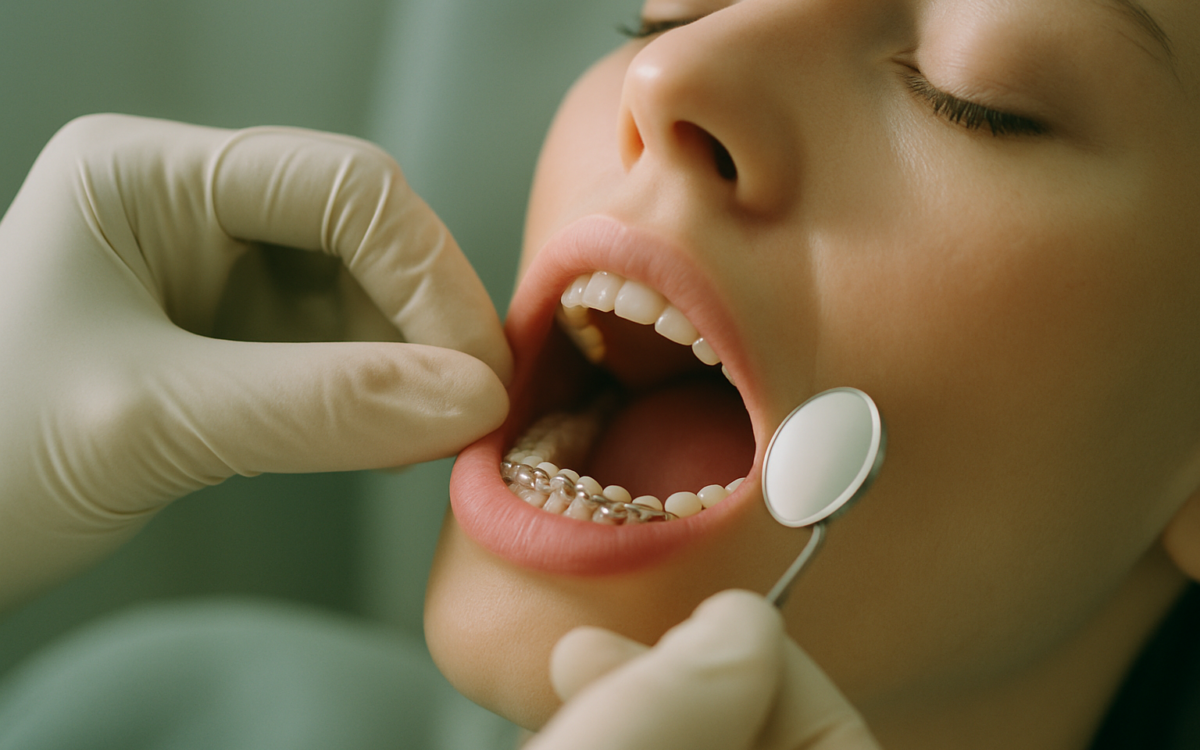
For many adults, the thought of wearing traditional braces can feel daunting. However, in recent years, an alternative has gained popularity: lingual braces. These braces, which are placed on the back of the teeth, provide an effective way to straighten teeth without the visibility of conventional braces. In this article, we will explore what lingual braces are, their benefits, potential downsides, and considerations before making a decision.
What Are Lingual Braces?
Lingual braces are a type of fixed orthodontic appliance that is placed on the inner surface of the teeth, making them nearly invisible from the outside. Unlike traditional braces that use brackets and wires attached to the front of the teeth, lingual braces utilize custom-made brackets and wires designed specifically for each individual’s mouth. This customization allows for effective teeth movement while maintaining a discreet appearance.
Benefits of Lingual Braces
There are several advantages to choosing lingual braces:
- Discreet Appearance: The most significant benefit is their invisibility. Lingual braces are often preferred by adults and teens who wish to maintain a low profile while undergoing orthodontic treatment.
- Custom Fit: Because they are customized for each patient, lingual braces can provide precise and effective movement of the teeth. This can lead to more efficient treatment times.
- Effective for Various Issues: Lingual braces can address a wide range of orthodontic issues, including crowding, spacing, overbites, and underbites, often with similar effectiveness as traditional braces.
- Confidence Boost: For many, the hidden nature of lingual braces can enhance self-esteem during treatment, as patients feel less self-conscious about their appearance.
Potential Downsides
While lingual braces offer numerous benefits, they may not be the perfect solution for everyone. Here are some considerations:
- Comfort: Lingual braces can initially be uncomfortable and may cause irritation to the tongue as patients adjust to having brackets placed so closely to it.
- Adjustment Period: Some patients may take longer to adapt to speaking with lingual braces, potentially leading to temporary speech difficulties.
- Cost: Typically, lingual braces are more expensive than traditional braces due to their custom nature and the additional expertise required for their placement.
- Maintenance: Maintaining oral hygiene can be more challenging with lingual braces. Patients need to be diligent in their cleaning routine to avoid plaque buildup and potential dental issues.
Who is a Good Candidate for Lingual Braces?
Lingual braces are ideal for many individuals, but they are not suitable for everyone. Ideal candidates are usually:
- Adults seeking orthodontic treatment but wish to keep it discreet.
- Teens who are dedicated to maintaining good oral hygiene and wearing their braces properly.
- Individuals with mild to moderate orthodontic issues, although severe cases may require other treatment options.
It’s essential to consult an orthodontist who specializes in lingual braces to determine if they are the right fit for your specific needs.
What to Expect During Treatment
The journey with lingual braces typically involves several steps:
- Initial Consultation: This is where your orthodontist will discuss your concerns, goals, and treatment options. They will evaluate your dental health and take necessary scans or impressions.
- Placement: After your braces are custom-made, the placement process involves bonding the brackets to the back of your teeth, which may take about an hour or two.
- Regular Check-Ups: You will need to return to your orthodontist every 6–8 weeks for adjustments. During these visits, your orthodontist will check the progress and make necessary modifications.
- Duration of Treatment: Treatment times can vary, but patients typically wear lingual braces for 18 to 36 months, depending on individual circumstances.
Care and Maintenance of Lingual Braces
Proper care for lingual braces is crucial to ensure a successful treatment and maintain oral health. Here are some tips:
- Regular Cleaning: It’s vital to clean your teeth thoroughly, including brushing and flossing around the braces. Many orthodontists recommend using a toothbrush with a smaller head to reach the tight areas.
- Gentle Eating: Be mindful of what you eat. Avoid hard and sticky foods that can damage the braces, and consider softer foods while you adjust to the new appliance.
- Follow-Up Appointments: Never skip your scheduled visits. Your orthodontist needs to monitor your progress and make necessary adjustments.
When to See a Doctor
If you experience any adverse effects while wearing lingual braces, such as severe pain, swelling, or infection, or if you have trouble with your braces, contact your orthodontist as soon as possible. Early intervention can help prevent further issues.
Additionally, it is wise to see your regular dentist for routine check-ups during your orthodontic treatment to ensure your overall oral health remains optimal.
In conclusion, lingual braces can be a fantastic option for those looking to straighten their teeth discreetly. By understanding the benefits and considerations, you can make an informed decision about whether this orthodontic solution is right for you. Remember to consult with an orthodontist to explore the best options tailored to your unique dental needs.
