
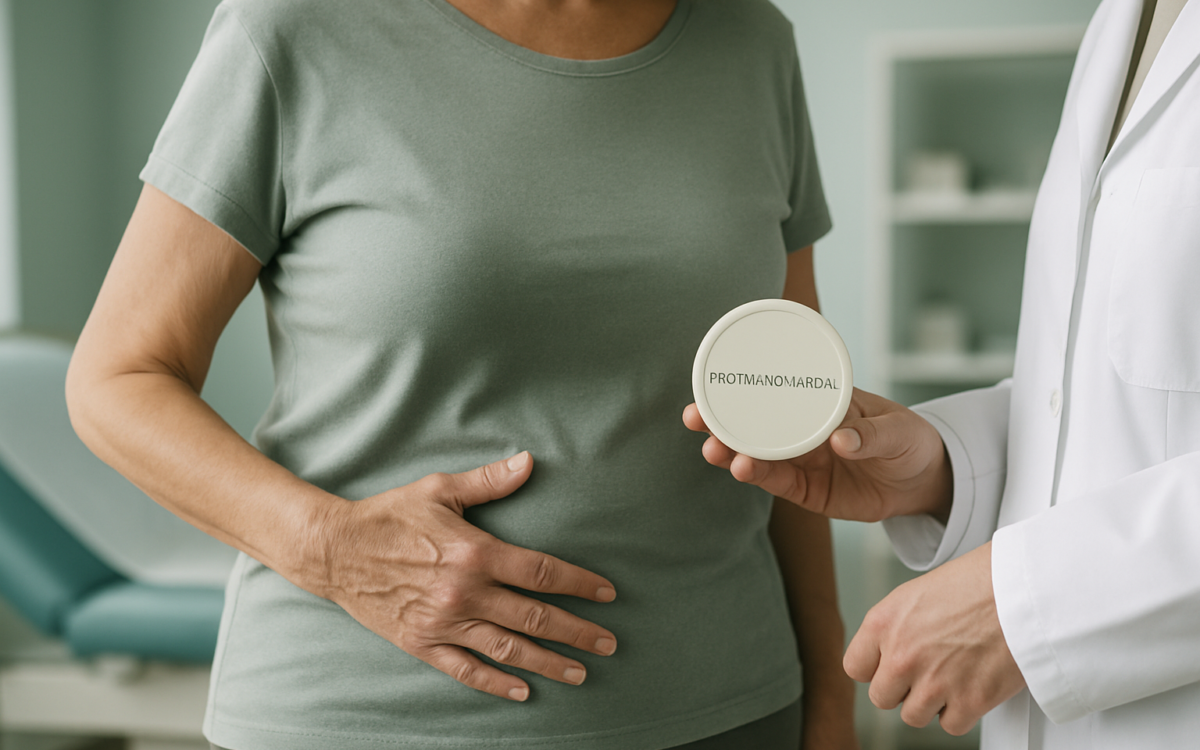
As women reach their late 40s to early 50s, they may find themselves going through a significant life change: menopause. This natural transition marks the end of a woman’s reproductive years and can bring about various physical and emotional challenges. Understanding post menopausal health is essential for thriving during this new chapter. In this article, we’ll cover what post menopause means, common symptoms, health considerations, and lifestyle changes that can improve your quality of life.
What Does Post Menopause Mean?
Post menopause is the stage that follows menopause, which is defined as having gone 12 months without a menstrual period. It is a normal biological process, but it can lead to various symptoms and health impacts due to changes in hormone levels, particularly estrogen. During this period, some women may experience lingering menopause symptoms while others may notice that symptoms subside.
Common Symptoms of Post Menopause
While some women may feel relieved from menstrual-related symptoms, others may still experience a range of symptoms due to decreased hormone levels. Common post menopausal symptoms include:
- Hot flashes: These sudden feelings of warmth can occur even after menopause has been reached.
- Night sweats: Similar to hot flashes, these can disrupt sleep.
- Vaginal dryness: Lower estrogen levels can lead to dryness and discomfort during intercourse.
- Emotional changes: Mood swings, anxiety, or depression may persist for some women.
- Weight gain: Changes in metabolism can affect body weight.
It’s important to note that each woman’s experience with post menopause is unique. Some may find that symptoms subside relatively quickly, while others may need to manage ongoing challenges.
Health Considerations After Menopause
Post menopausal women face specific health considerations that require attention. Some of the key areas to focus on include:
Bone Health
Decreased estrogen levels can lead to bone density loss, increasing the risk of osteoporosis. Regular weight-bearing exercises, a diet rich in calcium and vitamin D, and regular screenings can help maintain bone strength. For more information on osteoporosis, you can explore resources from the National Heart, Lung, and Blood Institute.
Heart Health
Heart disease risks can increase after menopause due to hormonal changes. Maintaining a heart-healthy lifestyle, including a balanced diet, regular exercise, and avoiding smoking, is crucial. The CDC offers guidelines on how to promote heart health during this stage of life.
Weight Management
Managing weight can become more challenging after menopause due to hormonal changes. Focusing on a healthy diet, portion control, and regular physical activity can help women maintain a healthy weight. It’s also a good idea to consult with a healthcare provider for personalized guidance.
Emotional and Mental Health Considerations
The post menopausal phase can impact emotional and mental well-being. Many women may experience heightened feelings of anxiety or depression. Here are some strategies to help manage emotional health:
- Stay connected: Maintaining strong social networks can provide emotional support.
- Practice mindfulness: Techniques such as meditation and yoga can help reduce stress and promote mental well-being.
- Professional help: If feelings of sadness or anxiety persist, don’t hesitate to reach out to a mental health professional.
Lifestyle Changes to Consider
Making specific lifestyle changes can help improve health during the post menopausal phase:
- Exercise regularly: Aim for at least 150 minutes of moderate-intensity aerobic activity per week. Include strength training exercises at least twice a week.
- Eat a balanced diet: Focus on whole foods, including fruits, vegetables, lean proteins, and whole grains.
- Stay hydrated: Drinking plenty of water can help with symptoms such as hot flashes and dryness.
- Get regular checkups: Routine health screenings can catch potential issues early.
When to See a Doctor
If you have concerns about post menopausal symptoms or health, it’s always best to consult with a healthcare provider. Seek medical advice if you experience:
- Severe or persistent symptoms that interfere with daily life.
- Signs of depression or anxiety that worsen over time.
- Unexpected weight gain or changes in appetite.
- Bone pain or fractures.
Open communication with your healthcare provider can help in managing any post menopausal challenges you may face.
In conclusion, the post menopausal phase can come with its unique set of challenges and opportunities for growth. By preparing for this transition with the right information and support, women can navigate this stage of life and maintain their health and well-being. Embrace this new chapter, stay informed, and seek guidance when needed for a fulfilling post menopausal life.
