
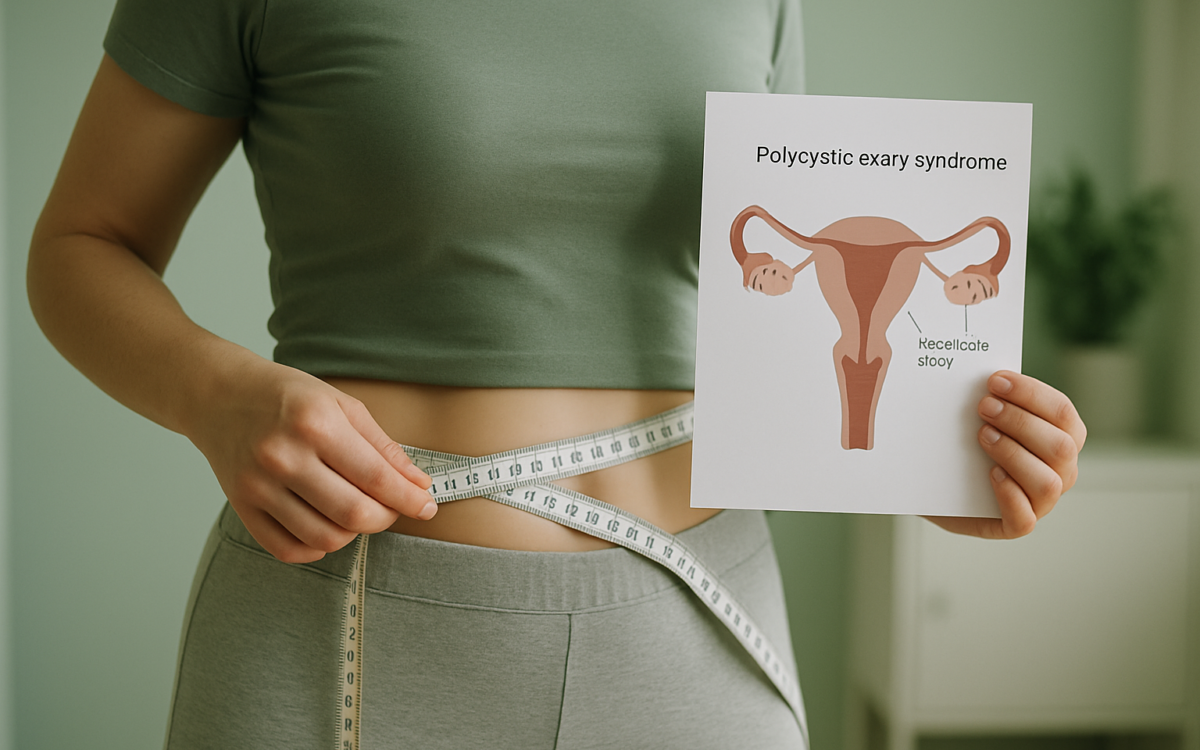
Polycystic Ovary Syndrome (PCOS) affects many women around the world, often leading to challenges such as weight gain, irregular periods, and hormonal imbalances. The connection between PCOS and weight is significant — many women find that managing their weight can help in controlling their symptoms and improving their overall health. In this article, we’ll explore practical and evidence-based methods for losing weight with PCOS, along with considerations for lifestyle adjustments that can make a difference.
Understanding PCOS and Its Impact on Weight
PCOS is a hormonal disorder that affects about 1 in 10 women of reproductive age. It’s characterized by irregular menstrual periods, excess androgen (male hormones), and polycystic ovaries. One of the most challenging aspects of PCOS is the tendency for weight gain, which can arise due to insulin resistance, hormonal imbalance, and lifestyle factors.
Insulin resistance means your body has difficulty using insulin effectively, making it harder to manage blood sugar levels. This condition can lead to increased fat storage. For many women with PCOS, even small amounts of weight loss (5-10% of total body weight) can significantly improve symptoms and enhance well-being, including reproductive health and metabolic factors.
Creating a Balanced and Nutritious Diet
Nutrition plays a key role in managing PCOS and achieving weight loss. Here are some dietary strategies to consider:
- Focus on Whole Foods: Incorporate plenty of fruits, vegetables, whole grains, lean proteins, and healthy fats into your meals. These foods provide essential nutrients while keeping you fuller for longer.
- Limit Processed Foods: Cut down on sugary snacks, refined carbohydrates, and high-fat processed foods. These can lead to spikes in blood sugar and insulin levels, exacerbating weight gain.
- Consider a Low Glycemic Index (GI) Diet: Foods with a low GI index release sugar slowly into the bloodstream, helping maintain stable blood sugar levels. This may help in managing insulin resistance.
Incorporating Regular Physical Activity
Exercise is vital for weight management, particularly for those with PCOS. Regular physical activity can help improve insulin sensitivity, regulate your menstrual cycle, and promote weight loss. Here are some exercise tips:
- Mix Cardio and Strength Training: Aim for a combination of aerobic exercises (like walking, running, or cycling) and strength training (using weights or body resistance). This approach can boost your metabolism and help with fat loss.
- Join Group Classes or Find a Buddy: Working out with others can keep you motivated. Consider joining a local gym or finding a workout partner to make exercising more enjoyable.
- Set Realistic Goals: Start with manageable goals, such as 30 minutes of moderate exercise five days a week, and gradually increase your activity level.
The Role of Healthcare Professionals
When managing PCOS and weight loss, it’s essential to maintain a supportive healthcare team. Medical professionals can help tailor a weight loss approach based on your unique symptoms and needs. They might recommend monitoring your hormone levels or even suggesting medications that can aid weight loss.
If you’re considering treatment options beyond lifestyle changes, it’s worth exploring international patient services for guidance on effective treatments from healthcare providers experienced in PCOS and obesity.
Exploring Mind-Body Connection
Weight loss is not purely a physical journey; it also involves emotional and psychological aspects. Women with PCOS may experience feelings of frustration or inadequacy, especially related to their bodies. Here are some strategies to help foster a positive mindset:
- Practice Mindfulness: Engage in mindfulness practices such as yoga or meditation to help reduce stress and improve your relationship with food and your body.
- Seek Support: Consider joining support groups, whether in-person or online. Sharing experiences with others facing similar challenges can provide encouragement and practical tips.
- Celebrate Small Wins: Focus on progress rather than perfection. Celebrate achievements, no matter how small, as they contribute to your overall journey.
Monitoring Progress and Adjusting Strategies
Tracking your progress can help you stay motivated and adjust your strategies as needed. Consider the following tips:
- Keep a Journal: Document your food intake, exercise routines, and how you feel. This can help identify patterns and areas for improvement.
- Regular Check-Ins: Schedule follow-up visits with your healthcare provider to evaluate your progress and make necessary changes to your plan.
- Be Patient: Weight loss is a gradual process, especially with PCOS. Much like any health journey, consistency is key.
When to See a Doctor
If you find it difficult to manage your symptoms or lose weight, it might be time to consult a healthcare professional. Look out for the following signs:
- Severe weight gain or loss
- Persistent fatigue or depression
- Menstrual irregularities that worsen despite lifestyle changes
Conclusion
Losing weight with Polycystic Ovary Syndrome can be challenging, but it is entirely possible with the right approach. By focusing on a balanced diet, regular exercise, and a supportive healthcare team, women with PCOS can achieve meaningful weight loss and improved health. Remember, it’s essential to set realistic expectations, celebrate your progress, and consult your healthcare provider for personalized guidance along the way.
