
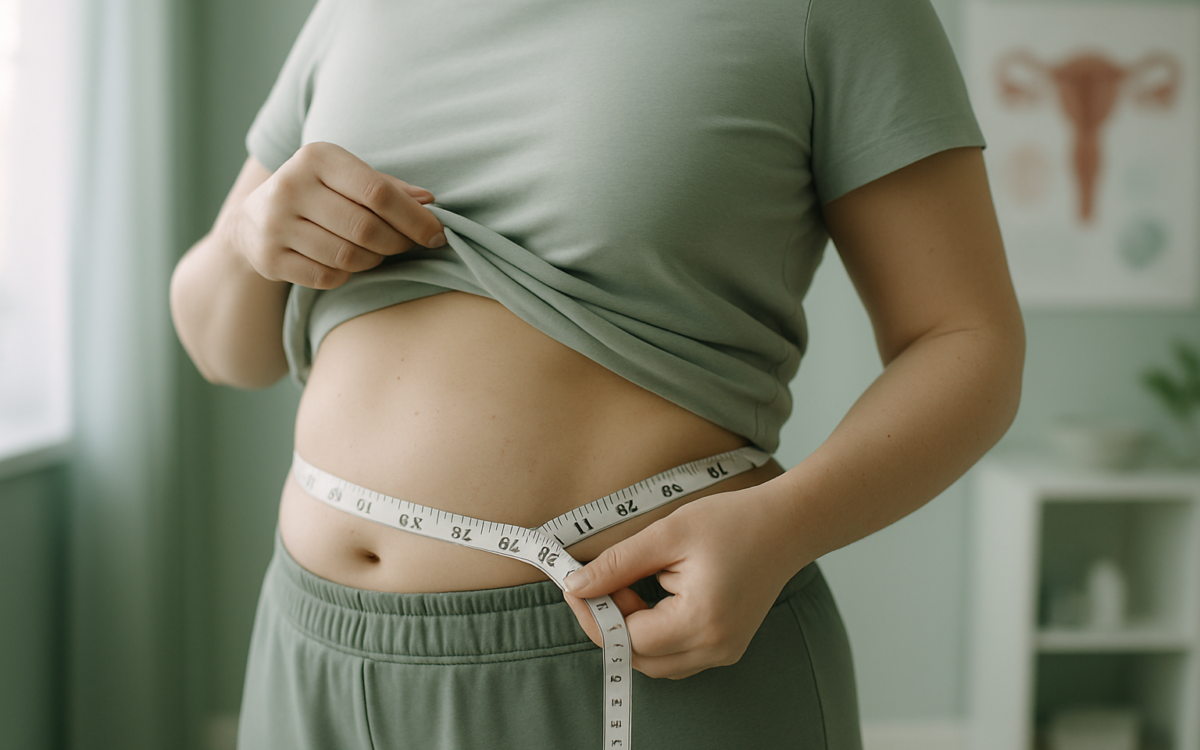
Polycystic Ovary Syndrome (PCOS) is a condition that affects many women during their reproductive years. Characterized by hormonal imbalance, it can lead to symptoms such as irregular periods, acne, excessive hair growth, and weight gain. Many women with PCOS struggle with weight management due to factors like insulin resistance, hormonal changes, and inflammation. However, understanding how to approach weight loss effectively can be empowering. This article delves into practical strategies for losing weight while managing PCOS.
Understanding PCOS and Weight Gain
Women with PCOS often experience weight gain or have difficulty losing weight. This is partly due to increased levels of insulin, a hormone that helps regulate blood sugar. When the body becomes resistant to insulin, it can lead to higher insulin levels, promoting weight gain, especially around the abdomen. Additionally, hormonal imbalances may trigger cravings for unhealthy foods.
A study by the National Institutes of Health highlights the significant impact of insulin resistance on weight in women with PCOS, making targeted weight loss strategies crucial.
Creating a Balanced Diet
Diet plays a critical role in weight loss for women with PCOS. Here are some dietary tips:
- Focus on Whole Foods: Incorporate plenty of fruits, vegetables, whole grains, and lean proteins into your meals. These foods provide essential nutrients while being lower in calories.
- Monitor Carbohydrate Intake: Consider adopting a lower carbohydrate diet, as this can help manage insulin levels. Foods that are high in fiber can help you feel fuller longer.
- Healthy Fats: Include sources of healthy fats, like avocados, nuts, and olive oil. These fats can enhance feelings of fullness and improve overall health.
- Limit Processed Foods: Foods high in sugar and refined carbs can worsen insulin resistance. Try to limit sugary snacks, soft drinks, and fast food.
The Role of Exercise
Regular physical activity is essential for everyone, but it holds special significance for those with PCOS. Exercise can help improve insulin sensitivity, which can be particularly beneficial.
Consider the following exercise options:
- Aerobic Activities: Engaging in activities such as walking, jogging, swimming, or cycling for at least 150 minutes a week can help manage weight.
- Strength Training: Incorporating weight training 2 to 3 times a week can help build muscle mass, which may boost metabolism.
- Mind-Body Activities: Practices such as yoga and Pilates can help reduce stress and improve hormone balance.
Managing Stress and Sleep
Stress and lack of sleep can adversely affect your hormonal balance, potentially worsening PCOS symptoms. Here’s how to manage them:
- Practice Relaxation Techniques: Consider mindfulness meditation, deep breathing exercises, or gentle yoga to reduce stress levels.
- Prioritize Sleep: Aim for 7 to 9 hours of quality sleep each night. Establish a calming bedtime routine to enhance sleep quality.
According to the World Health Organization, good sleep hygiene is essential for overall health and can particularly impact weight management.
Tracking Progress and Setting Goals
Setting realistic weight loss goals is crucial for success. Instead of focusing solely on the number on the scale, consider measures of health and well-being:
- Set Small Goals: Aim to lose 1-2 pounds per week. This is a healthy, sustainable rate and can make a significant difference over time.
- Track Your Food and Activity: Keeping a food diary or using a fitness app can help you stay accountable and observe patterns.
- Celebrate Non-Scale Victories: Focus on improvements in energy levels, mood, menstrual regularity, or clothing fit.
Supplements and Medical Interventions
Some women with PCOS may benefit from certain supplements alongside lifestyle changes:
- Inositol: This supplement may improve insulin sensitivity and has shown promise in supporting ovarian function.
- Omega-3 Fatty Acids: Found in fish oil, these may help reduce inflammation and improve insulin sensitivity.
Before starting any supplements, consult your healthcare provider for personalized recommendations.
When to See a Doctor
If you are struggling to lose weight despite making lifestyle changes, or if you experience severe symptoms of PCOS, it’s essential to consult a healthcare provider. They can help assess your situation, offer guidance tailored to your needs, and discuss potential treatment options, including medications that may help.
Managing PCOS can seem overwhelming, but with the right strategies, women can regain control of their health and work towards effective weight management. Each person’s journey is unique, and a compassionate, informed approach can lead to lasting change and improved overall well-being.
