
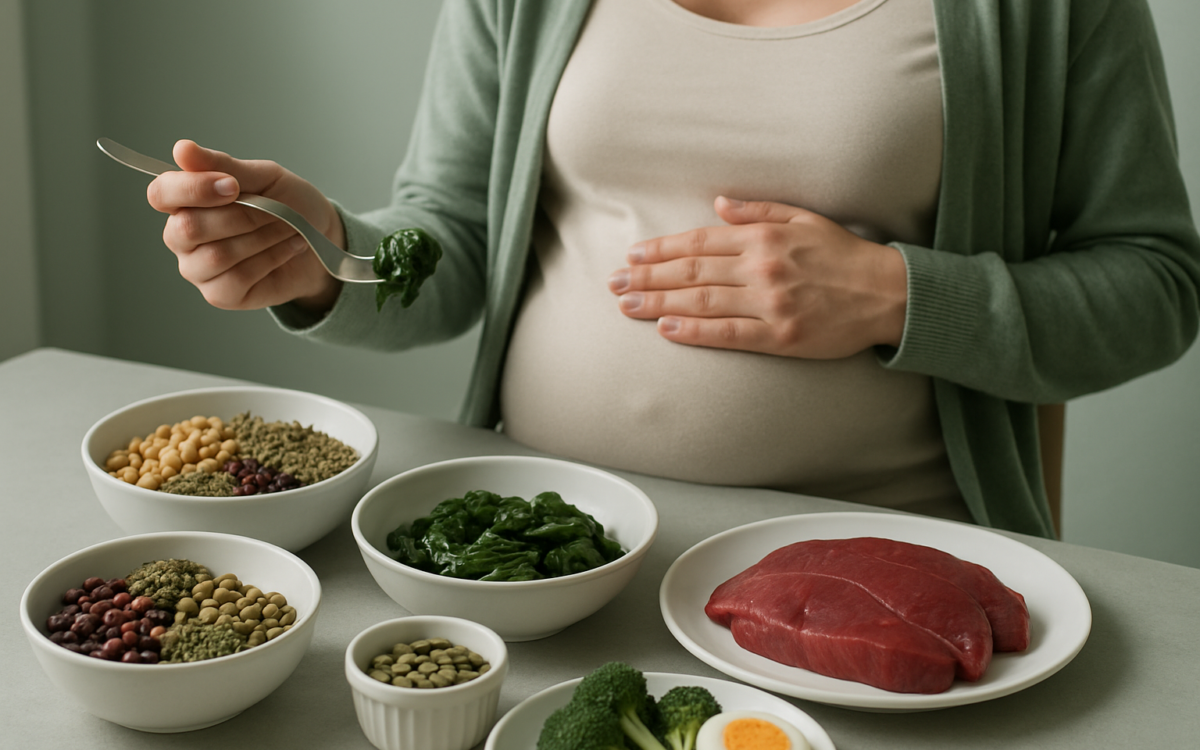
Pregnancy is a beautiful journey filled with anticipation and joy, but it also comes with its own set of nutritional requirements. One of the most critical nutrients that expectant mothers need to focus on is iron. This essential mineral plays a vital role in both your health and the development of your growing baby.
During pregnancy, a woman’s blood volume increases significantly, necessitating higher iron levels to ensure adequate oxygen supply to both mother and fetus. With that in mind, let’s delve into some of the best iron-rich foods that can help support your health during this special time.
Why is iron important during pregnancy?
Iron is crucial for the production of hemoglobin, the protein in red blood cells that carries oxygen throughout the body. Increased iron needs during pregnancy help to:
- Support fetal growth and development.
- Help prevent anemia in pregnant women, which can cause fatigue and other complications.
- Improve maternal health and help the body cope with increased blood volume.
According to the National Institutes of Health (NIH), pregnant women should aim for about 27 mg of iron per day, which is significantly higher than the recommended daily allowance for non-pregnant women.
Top animal-based sources of iron
Animal-based foods generally contain heme iron, which is more readily absorbed by the body compared to non-heme iron from plant sources. Here are some of the best sources:
Red meat
Lean cuts of beef, lamb, and pork are not only rich in iron but also provide high-quality protein and essential nutrients like zinc and vitamin B12, which are beneficial during pregnancy.
Poultry
Chicken and turkey, especially dark meat, are great options packed with iron. These meats can be easily incorporated into a variety of dishes, making them a versatile choice for meal planning.
Fish
Certain fish, particularly tuna, salmon, and sardines, offer a decent amount of iron along with omega-3 fatty acids that contribute to your baby’s brain development. Ensure that you choose low-mercury options to keep both you and your baby safe.
Nutritious plant-based sources of iron
If you’re following a vegetarian or vegan diet, there are plenty of plant-based foods that can help you meet your iron needs:
Legumes
Beans, lentils, and chickpeas are all excellent sources of non-heme iron. They are also high in protein, fiber, and other important vitamins and minerals.
Leafy greens
Greens like spinach, kale, and Swiss chard provide iron along with other vital nutrients. Pair them with vitamin C-rich foods, such as citrus fruits or bell peppers, to enhance iron absorption.
Whole grains
Whole grains like quinoa, brown rice, and oats contain iron as well as valuable fiber that supports digestive health. Consider incorporating these grains into your meals as a healthy base.
Iron-fortified foods and snacks
Many foods are fortified with iron, making them a great option for pregnant women:
Cereals
Breakfast cereals often have added iron, which can help you reach your daily needs. Look for whole grain options without added sugar for a nutritious start to your day.
Snack bars
Iron-fortified snack bars can be a convenient source of iron. Just make sure to check the labels for added sugars and opt for healthier, more natural ingredients.
The role of vitamin C in iron absorption
While focusing on iron-rich foods is essential, pairing them with vitamin C sources can significantly enhance absorption. Foods rich in vitamin C include:
- Citrus fruits (oranges, grapefruits)
- Berries (strawberries, blueberries)
- Tropical fruits (kiwi, papaya)
- Bell peppers
- Broccoli
Incorporating these vitamin C-rich foods into your meals can help ensure that your body makes the most out of the iron you consume, whether it’s from animal or plant sources.
Common signs of iron deficiency
Though many women may meet their iron needs during pregnancy, it’s still essential to monitor for signs of deficiency. Common symptoms include:
- Fatigue or weakness
- Pale skin
- Shortness of breath
- Rapid heartbeat
- Cold hands and feet
If you experience any of these symptoms, it’s important to consult with your healthcare provider for proper evaluation and guidance.
When to see a doctor
If you’re concerned about your iron levels or experiencing symptoms of iron deficiency, it’s important to reach out to your healthcare provider. They can conduct tests to determine your iron levels and recommend dietary changes or supplements as needed. Regular prenatal check-ups are crucial for monitoring both your and your baby’s health throughout your pregnancy.
In conclusion, ensuring adequate iron intake during pregnancy is vital for the health of both mother and baby. By incorporating a diverse range of iron-rich foods into your diet, along with vitamin C sources for better absorption, you can help pave the way for a healthy pregnancy. Remember, it’s always best to consult your healthcare provider for personalized nutritional advice tailored to your needs during pregnancy.
