
For many, the thought of losing a molar tooth can be distressing. These large teeth at the back of your mouth play a crucial role in chewing and maintaining your oral structure. Fortunately, advancements in dental technology have made it possible to replace lost molar teeth with dental implants. If you’re curious about molar teeth implants, how they work, and what to expect, you’re in the right place.
Understanding Molar Teeth Implants
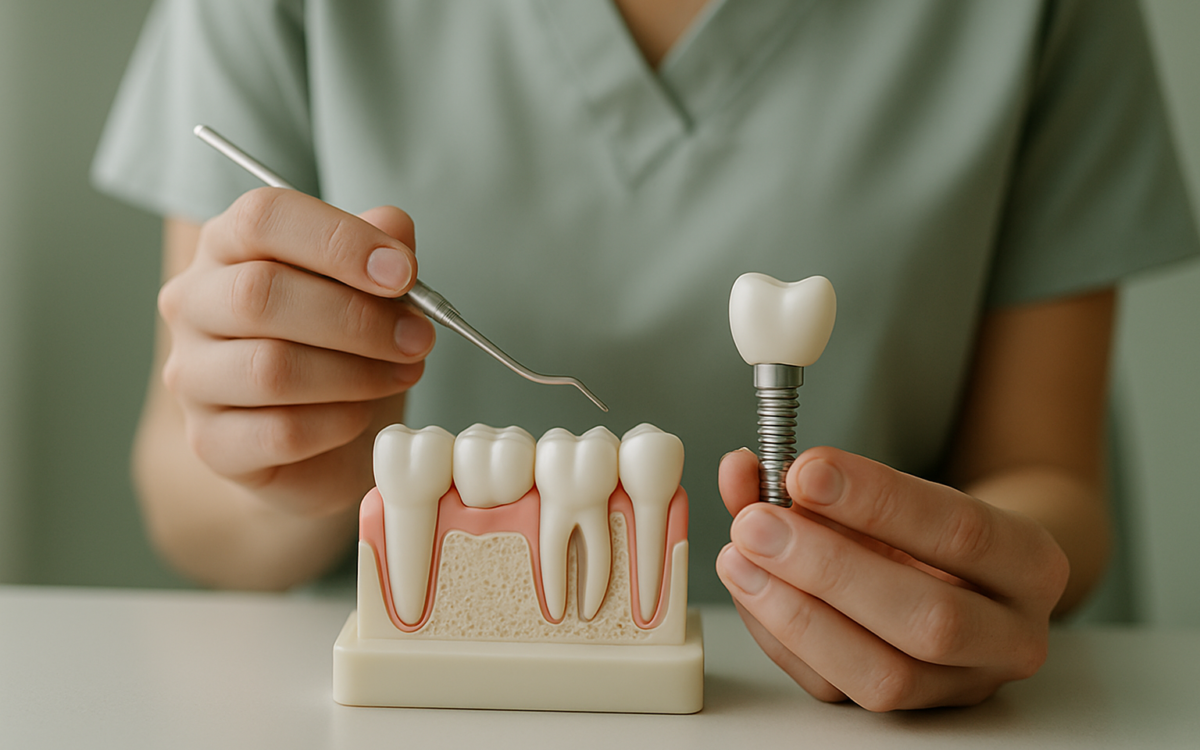
A molar teeth implant is a dental restoration designed to replace lost or missing molar teeth. Implants are small titanium posts that serve as artificial tooth roots. They are surgically inserted into the jawbone, onto which a crown—designed to look and function like a natural tooth—is placed. This process not only restores your smile but also helps prevent bone loss, which can occur when teeth are missing.
Why Choose Molar Teeth Implants?
There are several reasons why molar teeth implants may be the best option for tooth replacement:
- Durability: Implants are designed to last for many years, often a lifetime with proper care.
- Natural Appearance: Modern dental technology allows implants to closely mimic the look and feel of natural teeth.
- Bone Health: Dental implants stimulate the jawbone, helping to maintain its structure and density.
- Improved Functionality: Unlike dentures, implants do not slip and allow for normal chewing.
The Procedure for Molar Teeth Implants
The process of getting molar teeth implants involves several steps:
1. Initial Consultation
During your first visit, your dentist will conduct a thorough examination, including X-rays and possibly scans to assess the condition of your jawbone and surrounding teeth.
2. Implant Placement
The next step is a surgical procedure where the titanium post is placed into your jawbone. This is usually done under local anesthesia, and you may be given sedation to make you comfortable.
3. Osseointegration
After the post is placed, your body will begin the healing process. This period, known as osseointegration, allows the bone to grow around the implant, securing it in place. This can take several months.
4. Abutment Placement
Once the implant has fused with the bone, another minor surgery is performed to place the abutment, which will hold the crown.
5. Crown Fabrication and Placement
Finally, your dentist will create a custom crown to match your existing teeth, attaching it securely to the abutment.
Recovery After Molar Teeth Implant Surgery
The recovery process can differ from person to person, but here are some general points to keep in mind:
- Healing Time: It typically takes several months for the implant to fully integrate into the jawbone.
- Post-Operative Care: Your dentist will provide guidelines on how to care for your implant, including oral hygiene tips and dietary recommendations.
- Pain Management: It’s common to experience some discomfort after surgery, which can usually be managed with over-the-counter medications.
Most patients find that any discomfort fades within a few days, and by following your dentist’s instructions, your recovery can go smoothly.
Common Concerns and Misconceptions
As with any surgical procedure, patients often have questions or misconceptions about molar teeth implants:
- Are they painful? Most people report minimal pain during the procedure thanks to anesthesia and sedation. Post-operative discomfort is manageable with medication.
- Do implants require special care? Implants do not require extensive care beyond good oral hygiene practices, just like natural teeth.
- Am I too old for dental implants? Age is not a barrier; the primary factors are your overall health and the condition of your jawbone.
For further details, organizations like the NIH and the Mayo Clinic offer valuable resources on dental implants.
When to See a Doctor
If you’re considering a molar teeth implant, it’s essential to consult a qualified dental professional. They can evaluate your specific situation and determine if you’re a good candidate for the procedure. Look for factors such as gum health, bone density, and overall medical conditions that might impact your eligibility.
Conclusion
Molar teeth implants can be an excellent solution for individuals looking to replace lost molar teeth. They provide durability, natural appearance, and functional benefits that dentures simply cannot match. By understanding the procedure, recovery, and common concerns associated with implants, you can make an informed decision about restoring your smile. Always consult with your dentist to find the best oral health solutions tailored to your needs.
