
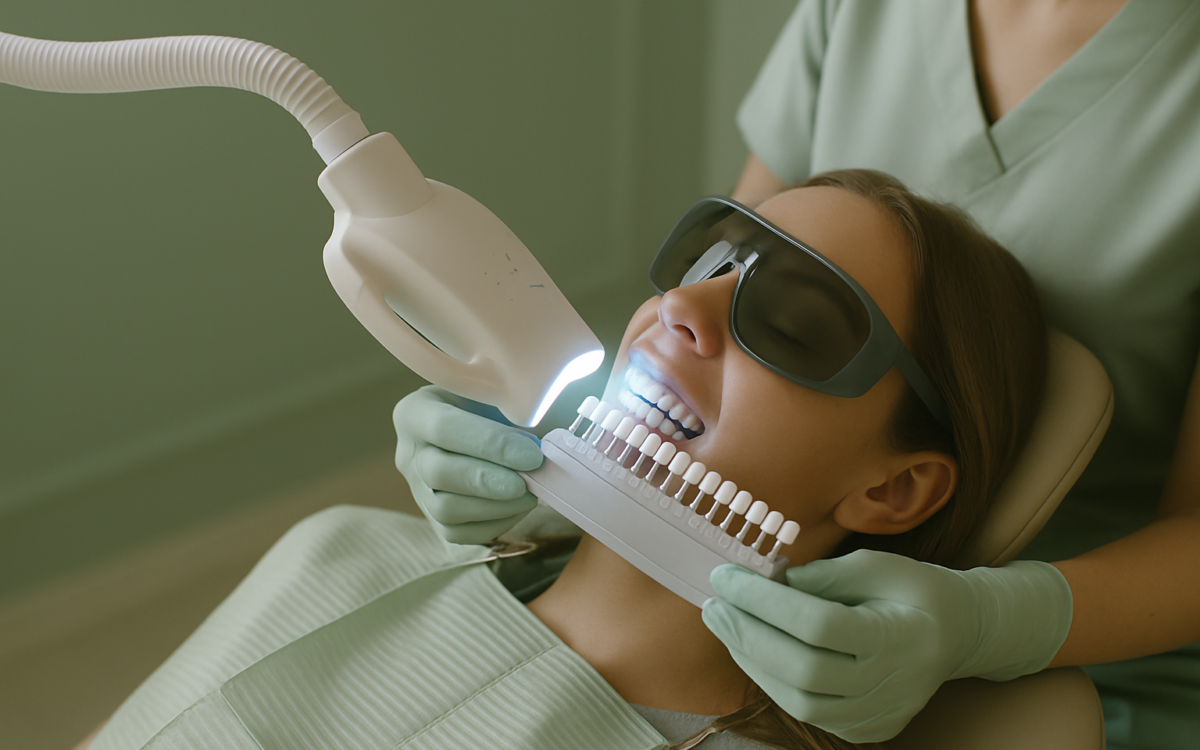
Having a bright, white smile can boost your confidence and enhance your overall appearance. Many individuals turn to teeth whitening as a way to improve their smile, whether for special occasions or simply to feel better about themselves. With numerous options available, it’s crucial to understand what teeth whitening entails, how it works, and what factors to consider before diving into the process.
Understanding Teeth Whitening
Teeth whitening refers to the process of lightening the color of your teeth. This can be achieved through various methods, which differ in strength, effectiveness, and duration of results. It is important to note that whitening can vary in effectiveness based on the type of staining, the underlying cause, and the method used.
Types of Teeth Whitening
There are several methods available for whitening teeth, each with its pros and cons:
- Professional Whitening: Conducted by a dentist, this method often yields the fastest and most dramatic results. Dentists use stronger bleaching agents than those available over the counter, combined with a custom-fitted tray for better application.
- At-Home Whitening Kits: These kits, available at drugstores, often include whitening strips or gels that can be applied directly to the teeth. While less potent than professional treatments, they offer a good balance of effectiveness and convenience.
- Whitening Toothpastes: Many brands claim to whiten teeth as part of their daily brushing regimen. They typically contain mild abrasives or chemical agents to remove surface stains, but the results can take longer to notice.
- Natural Remedies: Some people opt for home remedies like baking soda, hydrogen peroxide, or activated charcoal. While these can sometimes lighten stains, they may not be as effective as commercial products and could damage enamel if used improperly.
Factors That Affect Teeth Whitening
Several factors can influence how well teeth whitening works:
- Type of Stains: Intrinsic stains, which occur below the surface of the enamel, may not respond as well to whitening treatments compared to extrinsic stains, which are on the surface.
- Tooth Sensitivity: Some individuals may experience increased sensitivity after whitening treatments. It is essential to consult your dentist if you have a history of tooth sensitivity before starting any whitening process.
- Enamel Thickness: The thickness and health of your enamel can affect the results of whitening. Thinner enamel may lead to less dramatic results and increase the risk of sensitivity.
Potential Risks and Side Effects
While teeth whitening is generally considered safe, there are some potential risks and side effects to be aware of:
- Tooth Sensitivity: Whitening can sometimes lead to temporary sensitivity, especially to hot or cold substances. This usually resolves after stopping treatment.
- Gum Irritation: Some whitening agents can irritate the gums, especially if they come into contact with the soft tissues of the mouth. It’s crucial to follow instructions carefully to minimize this risk.
- Uneven Results: If teeth have different types of stains, the results may not be uniform. Professional whitening can often help address this issue better than at-home products.
Maintaining Your Whitening Results
After undergoing teeth whitening, you’ll want to maintain your results for as long as possible. Here are some tips:
- Practice Good Oral Hygiene: Brush and floss regularly to remove plaque and prevent new stains from forming.
- Avoid Staining Foods and Beverages: Limit intake of coffee, tea, red wine, and foods such as berries, which can stain your teeth.
- Schedule Regular Dental Cleanings: Regular check-ups and professional cleanings can help keep your teeth looking their best and catch any issues before they grow.
When to See a Doctor
If you experience severe tooth sensitivity, persistent gum irritation, or notice uneven whitening results, it’s best to consult with your dentist. They can provide tailored advice and determine the most effective approach for your specific dental needs.
Conclusion
Teeth whitening can be a fantastic way to enhance your smile and boost your self-confidence. Understanding your options and the factors involved can help you make informed choices. Always consult your dentist before starting any whitening treatment to ensure it aligns with your oral health needs. Remember, a bright smile is not just about looks; it’s part of your overall health journey.
